

Are Cataracts An Inevitable Part Of Aging? – The Big Story

Cataracts: An Inevitable Part Of Aging?
It is a common belief that fading vision is just an unavoidable tax on growing older. With 80% of Singaporeans over the age of 60 developing cataracts, it certainly feels inevitable. But is age the only factor, or are modern lifestyle habits speeding up the clock? Here is the Big Story on why cataracts happen, the surprising risk factors affecting younger Singaporeans, and how modern lens technology is changing the timeline.
What Are Cataracts?
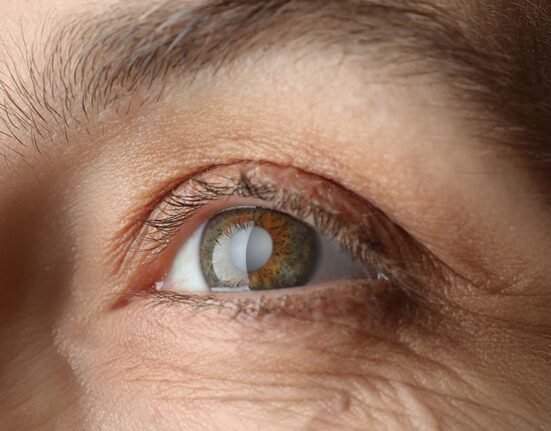
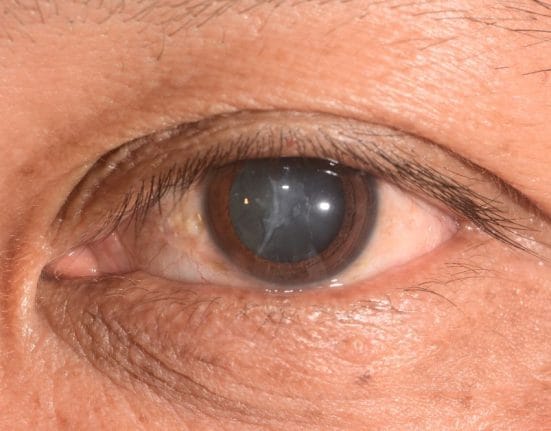
Cataracts are the clouding of the eyes’ natural lens. The lens lies behind the iris and pupil and helps to focus light on the retina. When it becomes cloudy, it prevents light from passing through clearly, causing blurred or distorted vision. Cataracts tend to develop gradually and can affect one or both eyes.
Cataracts are often linked to ageing. However, they also affect younger individuals. Certain medical conditions, trauma, or prolonged exposure to ultraviolet (UV) light can cause cataracts in younger people.
Find out more about cataracts. If you or someone you care for is affected by cataracts, knowing what to do next can make a difference in preserving healthy vision.

Singapore Statistics For Cataracts
- A SNEC study shows that two-thirds of Singaporean adults with visually significant cataract were previously undiagnosed (i.e. unaware they had cataracts).
- According to SingHealth, 80% of people aged 60 and above in Singapore have some form of cataract.
- For individuals aged 80 and above, it is estimated that more than 95% have cataracts in one or both eyes.
What Are The Symptoms Of Cataracts?
In the early stages, cataracts may not cause any symptoms. However, as the cataract progresses, you may notice:
- Cloudy, blurry, or dim vision.
- Difficulty seeing at night or in low light conditions.
- Sensitivity to light and glare.
- Seeing halos around lights.
- Faded or yellowed colours.
- Frequent changes in your glasses or contact lens prescription.
- Double vision in a single eye.
These symptoms may interfere with daily activities such as reading, driving, or recognising faces. If you are experiencing any of these issues, you should schedule an eye examination as soon as possible.
What Are The Common Causes Of Cataracts And Who Is At Risk?
Primary Causes Of Cataracts
- Age-related Protein Changes: As we age, the lens becomes less flexible and thicker. The structural proteins (crystallins) degrade and aggregate, which is the most common cause of lens opacity.
- Secondary to Health Conditions: Chronic illnesses, most notably diabetes, can lead to cataracts at a younger age. High blood sugar levels cause the lens to swell and alter its metabolic balance.
- Ultraviolet (UV) Radiation: Prolonged and unprotected exposure to sunlight can lead to oxidative damage within the lens.
- Trauma and Surgery: A physical injury to the eye or complications from previous intraocular surgeries (such as those for glaucoma or retinal detachment) can trigger cataract formation.
- Long-term Medication Use: The extended use of corticosteroid medications, whether taken orally, topically (eye drops), or via inhalation, is a well-documented cause.
Who Is At Elevated Risk?
While cataracts are an eventual reality for the majority of the population, certain groups in Singapore are at a significantly higher risk of developing them prematurely or more severely:
- Individuals with High Myopia: Singapore has some of the highest rates of “pathological myopia” globally. Those with high degrees of short-sightedness are statistically more likely to develop cataracts earlier in life.
- Diabetic Patients: Due to the metabolic impact on the eye, diabetics often develop cataracts earlier and may experience a more rapid progression of the clouding.
- Smokers and Heavy Alcohol Consumers: Tobacco use increases the amount of free radicals in the body, which can damage the lens proteins.
- Outdoor Workers: Those who spend significant time outdoors without UV-protected eyewear are at higher risk due to cumulative solar damage.
- Family History: Genetics play a role; individuals with a family history of congenital or early-onset cataracts should undergo regular screenings.
Cataract Diagnosis And Treatment
How Is Cataracts Diagnosed?
Diagnosis for cataracts in Singapore is accessible and can be conducted at various healthcare facilities, including public hospitals, polyclinics, as well as private clinics and hospitals.
Several tests may help diagnose cataracts:
- Visual Acuity Test – Measures how well you can see at various distances.
- Slit-Lamp Examination – Allows the doctor to examine the structures at the front of the eye under magnification.
- Retinal Exam – The doctor uses eye drops to dilate the pupils and examine the retina and lens for signs of cataracts.
- Tonometry – Measures the pressure inside the eye.
What Are The Treatment Options For Cataracts?
While early-stage cataracts can often be managed with updated spectacles and better lighting, surgery remains the only permanent cure. Modern cataract treatment in Singapore has evolved into a highly precise, day-surgery procedure that typically takes less than 20 minutes per eye.
1. Surgical Techniques
The goal of surgery is to remove the cloudy natural lens and replace it with a clear artificial one, known as an Intraocular Lens (IOL).
- hacoemulsification (Phaco): This is the global and local “gold standard.” The surgeon makes a tiny incision (approx. 2.75mm) and uses an ultrasound probe to break up (emulsify) the cataract before suctioning it out. It is minimally invasive and usually requires no stitches.
- Femtosecond Laser-Assisted Cataract Surgery (FLACS): Often called “bladeless” surgery, this method uses a high-precision laser to perform the initial incisions and soften the cataract. It can offer an incremental level of accuracy in lens positioning, which is particularly beneficial for complex cases or when using premium lenses.
- Extracapsular Cataract Extraction (ECCE): Reserved for very advanced or “mature” cataracts where the lens is too hard to be broken down by ultrasound. This requires a larger incision and sutures.
2. Intraocular Lens (IOL) Selection
The choice of lens is the most critical decision for a patient’s post-operative lifestyle.
- Monofocal Lenses: These provide clear vision at a single distance (usually far). You will still require reading glasses for near and intermediate tasks.
- Multifocal Lenses: These offer vision at all distances (near, mid, and far) but can cause night-time glare or halos. They are generally not recommended for patients with existing eye diseases or those who have had previous laser eye surgery.
- EDOF Lenses (Extended Depth of Focus): The latest technology providing a continuous range of vision from far to intermediate (ideal for driving and computer use). They offer smoother visual transitions with fewer night-vision side effects and are suitable for a wider range of patients.
Learn More About Cataracts And Their Treatments
Find The Best Ophthalmologist In Singapore
When it comes to your eye health, you naturally would like to find the best ophthalmologist in Singapore. How would you identify such a doctor? Find out from our guide to help you find the best ophthalmologists in Singapore.
Comment: The row below to be moved to article for healthcare professionals article
Preferred Doctors For Cataract Surgery
If you are looking for a surgeon for cataract surgery, you can consider our Preferred Doctors:
- Dr Lee Shu Yen is a senior eye specialist with extensive experience in managing cataracts, medical retina conditions, and complex general ophthalmology cases. She has over two decades of clinical experience in both public and private healthcare, and strong expertise in cataract and retinal disease management.



Find A Doctor
Verified Healthcare Professionals
We connect you with a network of qualified and experienced doctors who specialise in chronic health conditions, health screening, and longevity.
Trusted Information Source
We pride ourselves on providing accurate, up-to-date, and evidence-based information about each disease, its prevention, and treatment.
Privacy and Security
Your health information and personal data are paramount to us. We will protect your privacy throughout the booking process and beyond.
Convenience at Your Fingertips
Our user-friendly platform allows you to find and book appointments 24/7 from the comfort of your home.
Book An Appointment
Take a proactive step for your health and peace of mind today. If you need to see a doctor for evaluation or treatment, our team is here to assist.
Financials
[findDoctor category="financial consultants" countries="Singapore" " limit="15"]
Related Content


FAQs On Cataracts And Cataract Surgery
What are the common symptoms of cataracts?
Cataracts typically develop slowly and may not immediately impact your vision. Early symptoms often include blurry vision, difficulty seeing at night, sensitivity to light, and seeing halos around lights. Colours may appear faded, and you might experience frequent changes in your eyeglass or contact lens prescription. As cataracts progress, these symptoms become more pronounced, eventually leading to significant vision impairment if left untreated.
How are cataracts diagnosed?
Cataracts are diagnosed through a comprehensive eye examination conducted by an eye specialist. This includes a visual acuity test to measure how well you see at various distances, a slit-lamp examination to inspect the structures at the front of your eye, and a retinal exam to examine the back of your eye after dilating your pupils. Your eye specialist may also perform a tonometry test to measure the pressure inside your eye, ensuring a thorough evaluation.
What treatment options are available for cataracts in Singapore?
The primary treatment for cataracts is surgical removal, which is highly effective and commonly performed in Singapore. Cataract surgery involves removing the cloudy lens and replacing it with a clear artificial intraocular lens (IOL). There are different types of IOLs available, including monofocal, multifocal, and toric lenses, each designed to address specific vision needs. The procedure is typically done on an outpatient basis and boasts a high success rate with minimal recovery time.
How much does cataract surgery cost in Singapore?
The cost of cataract surgery in Singapore varies depending on factors such as the type of lens implanted, the surgeon’s expertise, and the hospital or clinic chosen. The cost may be partially covered by MediSave, a national medical savings scheme, as well as by private health insurance plans, reducing out-of-pocket expenses for patients.
What can I expect during recovery from cataract surgery?
Recovery from cataract surgery is generally quick and straightforward. Most patients experience significant improvement in vision within a few days. It is essential to follow your surgeon’s post-operative care instructions, which may include using prescribed eye drops to prevent infection and inflammation, avoiding strenuous activities, and protecting your eye from dust and water. Regular follow-up appointments will be scheduled to monitor your healing process and ensure optimal visual outcomes.
Additional Resources
- Singapore’s Eye Health | Singapore National Eye Centre. Available from: https://www.snec.com.sg/giving/singapores-eye-health
- Common Eye Problems and Their Symptoms | HealthHub. Available from: https://www.healthhub.sg/a-z/diseases-and-conditions/common-eye-problems
- 6 Common Eye Problems: Possible Causes and Tips | HealthXchange.sg. Available from: https://www.healthxchange.sg/head-neck/eye-care/causes-common-eye-problems
- Cataract Surgery | SingHealth. Available from: https://www.singhealth.com.sg/patient-care/conditions-treatments/cataract
- Cataracts: Causes, Symptoms and Treatment | HealthXchange.sg. Available from: https://www.healthxchange.sg/head-neck/eye-care/cataracts-causes-symptoms-treatment
- Cataract – Singapore | National University Hospital. Available from: https://www.nuh.com.sg/About-NUH/Clinical-Outcomes/Pages/Cataract.aspx