

Advertorial
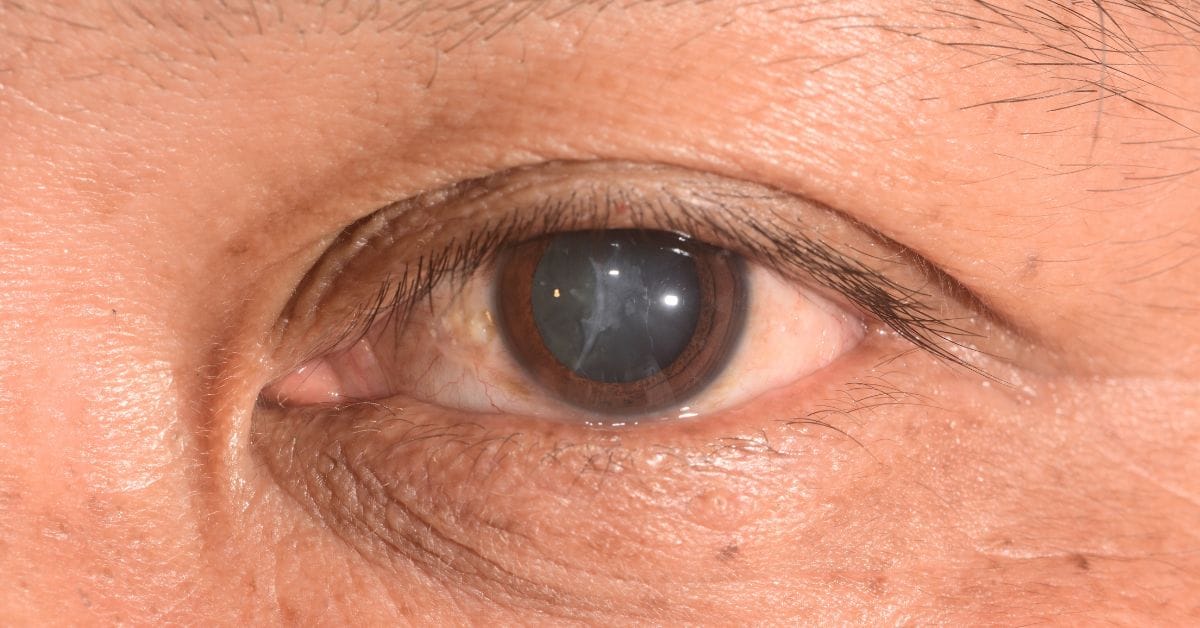
Cataracts is a common eye condition that affects many people as they age. The good news is that modern cataract surgery can restore clarity and quality of life with a high success rate. Dr Low Jin Rong, Consultant Ophthalmologist at Asian Healthcare Specialists, shares answers to the top five Cataract Surgery FAQs patients often ask.
The following FAQs first appeared in an advertorial published on 7 Jan 2026 in the Straits Times.

Top Cataract Surgery FAQs
A cataract occurs when the natural lens of the eye becomes cloudy, causing blurred or hazy vision. While glasses may help in the early stages, surgery is the only effective treatment once vision begins to affect daily activities.
Cataract surgery is a quick procedure where the cloudy lens is removed and replaced with a clear artificial lens. The surgery typically takes just 15 to 20 minutes and is performed under local anaesthesia and sedation. Most patients notice clearer vision within a few days and return to normal routines soon after.
During surgery, an intraocular lens (IOL) is implanted to replace the natural lens. There are several types:
• Monofocal lenses – provide clear vision at one distance (usually far).
• Multifocal lenses – allow vision at near and far distances but may cause some glare or haloes.
• EDOF (Extended Depth Of Focus) lenses – offer a balance between clarity and comfort across a continuous range of distances. When two EDOF lenses with slightly different focal ranges are implanted, patients can enjoy clear distance and intermediate vision, and also improved near vision for tasks like using a smartphone. Certain newer EDOF designs are ‘ringless’ and produce fewer issues with glare or rings around lights.
EDOF lenses are designed for sharp vision from far to intermediate distances, ideal for driving, sports, and computer use. They also provide better contrast sensitivity and less glare or haloes compared to multifocal lenses, helping patients enjoy more natural, comfortable vision.
Every eye is different. It’s important to discuss your lifestyle and vision needs with your eye specialist, who can recommend the most suitable lens for your desired visual outcome.
________________________________________
This article is for informational purposes only. For medical advice or diagnosis, consult a qualified eyecare professional. For assistance to get an appointment with an ophthalmologist, click the button below.
Contact UsBack To: Cataracts Main Page
Related Content: Coming Soon
All content on this site is informative only and is not intended to be a substitute for professional medical advice, diagnosis, or treatment, and should never be relied upon for specific medical advice. If you are experiencing a medical emergency, call 995 immediately or go to the nearest Accident & Emergency department.
health365.sg is a member of Group 365Asia.