

Orthopaedic Care In Singapore: Sports Injuries
Seeking orthopaedic care in Singapore for sports injuries – ankle, knee,etc. Learn more about them with our collection of informative articles and resources.

Surgical Cost For Sport Injury Treatment In Singapore
- February 19, 2026
- 388 Views
- Reading Time: 6 minutes
Comprehensive Guide To Sports Ankle Injuries Singapore
- April 10, 2026
- 178 Views
- Reading Time: 6 minutes
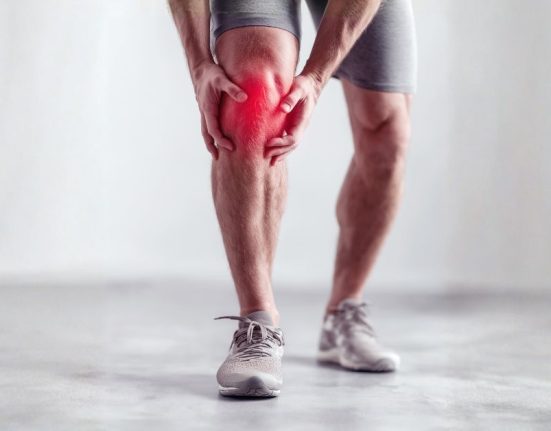
Comprehensive Guide To Sports Knee Injuries Singapore
- April 10, 2026
- 381 Views
- Reading Time: 3 minutes
Do Not Let Sports Injuries Keep You From What You Love – Take Action Today!
Your body is crucial for maintaining an athletic lifestyle and peak sporting performance. Specialist orthopaedic care for sports injuries ensures that you can sprint, jump, and compete without discomfort, allowing you to return to the activities you love. Whether it is an ACL tear, a severe ankle sprain, or a repetitive strain injury, addressing these issues promptly with expert care can lead to significant improvements in your mobility and long-term physical well-being.
No product found.
Take charge of your lower limb health today by consulting with experienced orthopaedic specialists in Singapore. Do not let pain or limitations slow you down—act now to enhance your mobility and improve your quality of life.
365Find
Find A Doctor
If you are looking for a doctor in Singapore for orthopaedic care or treatment, you can consider our Preferred Doctors:
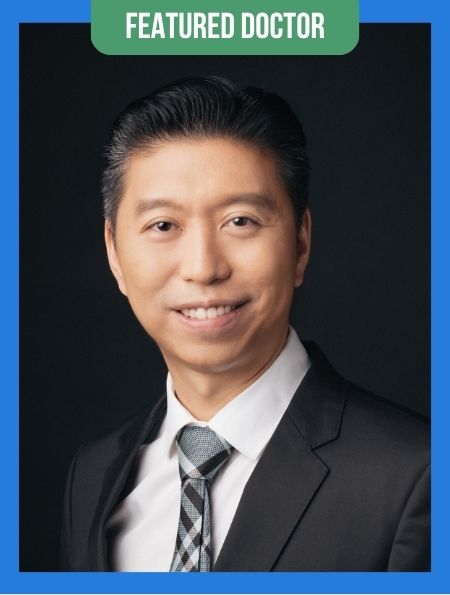
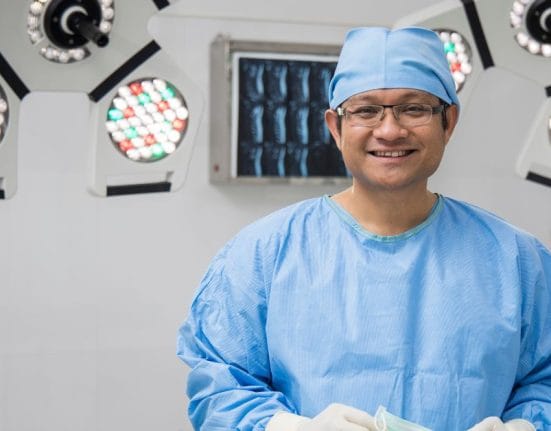
- Dr Kevin Koo is an orthopaedic surgeon with more than 20 years of experience, particularly in managing foot and ankle conditions as well as joint and sports-related problems. He combines minimally invasive techniques with evidence-based care, which may help patients recover function and return to activity more smoothly.


Click below for a listing:
- Physiotherapist: Koe Zi Yi
- Physiotherapist: Rethinam Ganesan
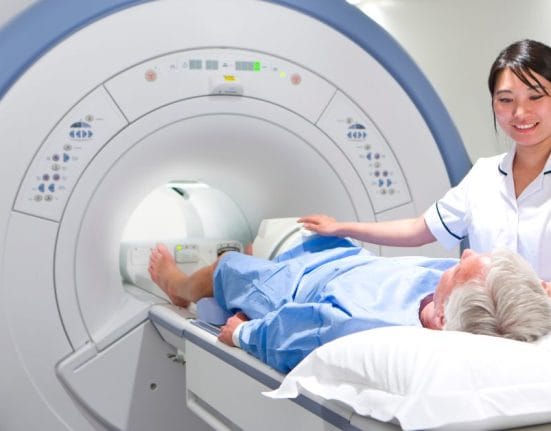
365Mall Medical Imaging
No product found.
Financials
Certain orthopaedic procedures and treatments are MediSave-claimable. MediSave can be used to cover a range of medical expenses including those related to orthopaedic care. Medical expenses covered may include day surgery, hospitalisation, outpatient treatments, pre-hospitalisation and post-hospitalisation expenses.
If the patient have an Integrated Shield Plan, they may have additional coverage for orthopaedic procedures, which can work in conjunction with Medisave claims.
Check with CPF on the latest MediSave policies or speak to financial consultants for the most accurate and updated information.

Related Content



FAQs
Due to the popularity of sports like badminton, football (futsal), and running in the region, orthopaedic doctors in Singapore frequently treat:
- Anterior Cruciate Ligament (ACL) Tears: Often occurring during sudden pivots in badminton or football.
- Meniscus Tears: Damage to the “shock absorber” cartilage of the knee.
- Achilles Tendon Ruptures: Common among “weekend warriors” participating in high-intensity racket sports.
- Rotator Cuff Tears: Frequently seen in older athletes or those involved in overhead sports like tennis or swimming.
For Singaporeans and Permanent Residents (PRs), most surgical procedures for sports injuries (such as ACL reconstruction or meniscus repair) are MediSave-claimable. If you have an Integrated Shield Plan (IP), a significant portion of the private hospital costs may be covered, depending on your specific policy and riders.
For regional patients from across Southeast Asia, most major international health insurance providers have direct billing arrangements with Singapore’s private hospitals, making the financial process smoother for cross-border care. It is always recommended to understand the reasonable fee ranges for your specific procedure.
Most modern sports orthopaedic procedures in Singapore are performed via Arthroscopy, commonly known as “Keyhole” surgery. In this method, the surgeon makes several tiny incisions (less than 1 cm) and inserts a small camera (arthroscope) to visualize and repair the injury.
Benefits of Keyhole Surgery include:
- Reduced post-operative pain.
- Minimal scarring.
- Lower risk of infection.
- Faster return to sports and daily activities compared to traditional open surgery, which requires larger incisions.
Many minor soft tissue injuries, such as mild muscle strains or “Grade 1” ligament sprains, can heal on their own through the R.I.C.E. protocol (Rest, Ice, Compression, Elevation) and progressive home exercises. The body has a remarkable ability to repair minor micro-tears in muscles and tendons if given sufficient time and the correct environment.
However, you should consult an orthopaedic specialist in Singapore if you experience any of the following “red flag” symptoms:
- Mechanical Symptoms: Your joint is “locking,” “clicking,” or you are unable to fully straighten or bend it.
- Instability: The joint feels “wobbly” or gives way when you attempt to bear weight.
- Deformity: There is a visible change in the shape of the limb or joint.
- Night Pain: Persistent pain that prevents sleep or does not improve after 48 to 72 hours of rest.
- Numbness: A “pins and needles” sensation or loss of feeling in the extremity.
Early intervention by a specialist is crucial for injuries like meniscus tears or ACL ruptures, as delaying diagnosis can lead to secondary damage to the joint cartilage.
Surgery is rarely the first line of treatment for most sports injuries in Singapore. Orthopaedic specialists generally advocate for a “conservative-first” approach, utilising specialised physiotherapy, activity modification, and occasionally regenerative injections (such as PRP).
However, surgical intervention becomes necessary in the following scenarios:
- Complete Ligament Ruptures: In active individuals, a completely torn ACL or Achilles tendon usually requires reconstruction to restore the stability needed for sports.
- Displaced Fractures: If a bone has broken and moved out of its original alignment (such as a unimalleolar ankle fracture), surgery is required to reposition the bone and secure it with plates or screws.
- Loose Bodies: If a fragment of bone or cartilage has broken off and is floating inside the joint space, it must be removed to prevent joint locking and rapid wear.
- Failure of Conservative Therapy: If persistent pain and instability continue after 3 to 6 months of intensive physiotherapy, surgery may be the next step to restore quality of life.
- High-Demand Performance: Professional or competitive athletes may opt for surgery earlier to ensure a more predictable and robust repair for a faster return to high-intensity competition.
Additional Resources
- Ankle Sprain: Causes And Treatment | The Bone & Joint Centre. Available from: https://www.bjc.sg/services/ankle-sprains-causes-and-treatments
- Sports Injuries | NUH. Available from: https://www.nuh.com.sg/health-resources/diseases-and-conditions/sports-injuries
- Sports Injuries Management | Singapore General Hospital. Available from: https://www.sgh.com.sg/our-specialties/physiotherapy/sports-injuries-management
- More youth suffer sports-related injuries, risk long-term effects | The Strait Times. Available from: https://www.straitstimes.com/singapore/more-youth-suffering-sports-related-injuries-risk-long-term-effects
- Anterior Cruciate Ligament Tear (ACL Tear) | HealthHub. Available from: https://www.healthhub.sg/health-conditions/anterior-cruciate-ligament-tear-acl
- Knee Sprain | Cleveland Clinic. Available from: https://my.clevelandclinic.org/health/diseases/knee-sprain
- Ankle Fractures (Broken Ankle) | American Academy of Orthopaedic Surgeons. Available from: https://orthoinfo.aaos.org/en/diseases–conditions/ankle-fractures-broken-ankle/
- Shoulder pain | National Health Service. Available from: https://www.nhs.uk/symptoms/shoulder-pain/
- Risk factors and prevention strategies for shoulder injuries in overhead sports: an updated systematic review | National Library Of Medicine. Available from: https://pmc.ncbi.nlm.nih.gov/articles/PMC9378805/
- Shoulder sprain | Harvard Health. Available from: https://www.health.harvard.edu/diseases-and-conditions/shoulder-sprain-a-to-z