

Physiotherapy | From Joints to Vital Organs: The New Era of Lifestyle Medicine
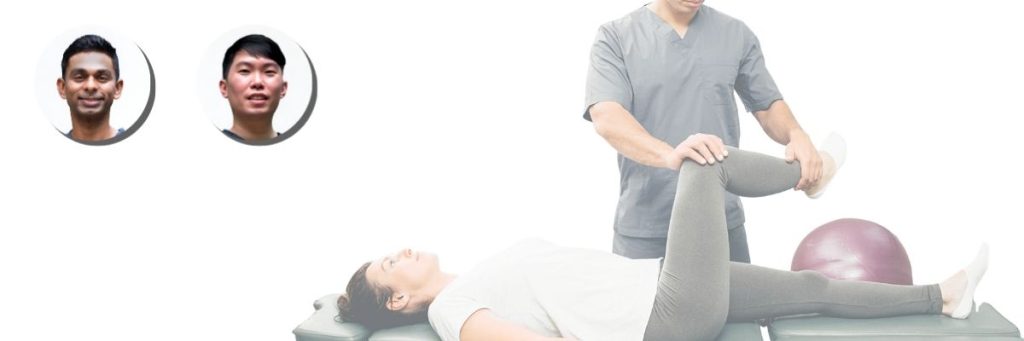
When we think of physiotherapy, sports injuries, back pain, or post-surgical rehabilitation often come to mind. While restoring the musculoskeletal (MSK) system remains fundamental, physiotherapy is evolving to influence health far beyond joints and muscles. By identifying lifestyle factors that contribute to chronic disease and organ dysfunction, physiotherapists are increasingly integrating lifestyle medicine into their care. They do so by helping to restore and optimise the function of vital organs such as the heart and lungs.
Editor's Picks

Guide To Cardiac Rehabilitation In Singapore
- April 8, 2026
- 250 Views
- Reading Time: 5 minutes
Guide To Physiotherapy In Singapore
- April 8, 2026
- 245 Views
- Reading Time: 5 minutes
COPD Treatment With Physiotherapy
- April 8, 2026
- 187 Views
- Reading Time: 7 minutes
Articles Reviewed By Our Preferred Physiotherapist Partners


Book an appointment with a physiotherapist. Contact us via the button below.
What Is Physiotherapy
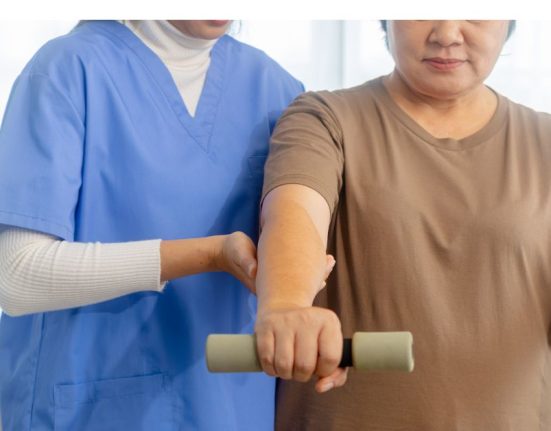
At its essence, physiotherapy is a science-based healthcare profession that views the human body as an integrated system of movement. It is the clinical practice of assessing, restoring, and maintaining physical function through evidence-based techniques rather than surgery or medication alone.
A physiotherapist is a movement specialist who understands how the “Pump” (the heart) and the “Bellows” (the lungs) work in tandem with the “Frame” (the joints and muscles). By using tailored exercise prescriptions, manual therapy, and advanced monitoring, physiotherapy empowers the body to heal itself, improve its efficiency, and build resilience against the stresses of aging and disease.
365Find
Find A Physiotherapist
If you are looking for a physiotherapist in Singapore, here are our Preferred Physiotherapists you can consider:
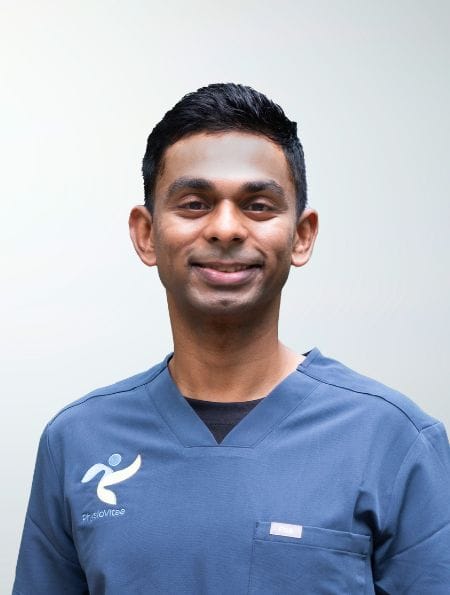
- Koe Zi Yi is the specialist you see when your recovery involves the “heart and lungs.” He has expertise in bridging the gap between hospital-grade treatment and daily life, helping patients with complex conditions like Chronic Obstructive Pulmonary Disease (COPD) and Heart Failure breathe with ease and move with confidence.
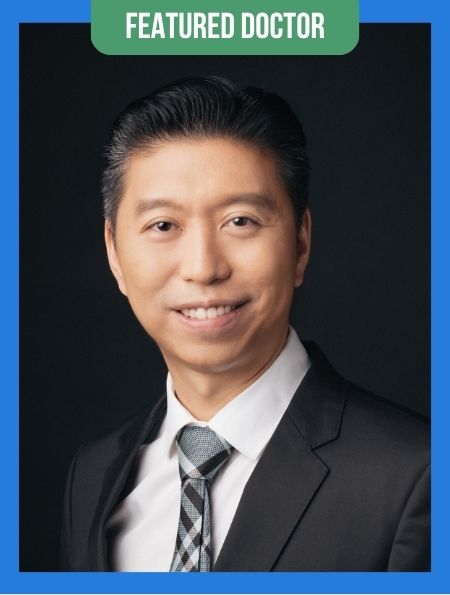
- Rethinam Ganesan is a recognised leader in cardiopulmonary rehabilitation. He blends evidence-based physiotherapy with lifestyle medicine to help patients prevent and manage chronic diseases.


Physiotherapist Interview Videos
Rethinam Ganesan and Koe Zi Yi, Co-Founders of PhysioVitae, explain why physiotheraphy is more than just about muscles and bones, and how patients with heart, lung and metabolic conditions can benefit from it too.
Financials
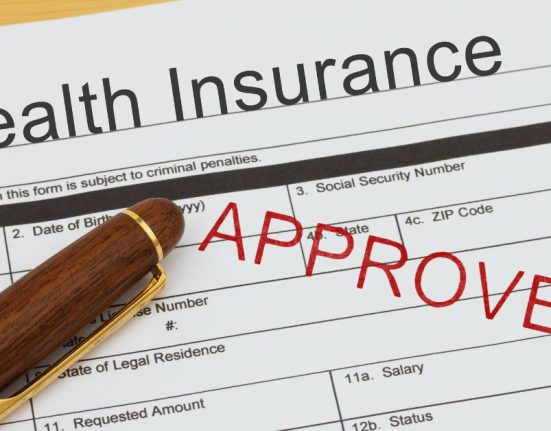
Under current Ministry of Health (MOH) guidelines, MediShield Life and MediSave generally cannot be used for outpatient physiotherapy at private clinics for general musculoskeletal issues like back pain or sports injuries. These schemes are primarily designed to cover inpatient hospital stays, day surgeries, or specific outpatient treatments for chronic diseases.
However, there are exceptions for specialised rehabilitation. MediSave may be used for outpatient Rehabilitation if it is part of a recovery process following a hospital discharge or a stroke. For specialised cardiac and respiratory conditions, some patients may be able to utilize their MediSave if the physiotherapy is part of an approved “Lifestyle Medicine” or chronic disease management program at a participating institution. It is always best to check if your specific insurance rider or corporate outpatient benefits cover private physiotherapy, as these often provide more flexibility than the national schemes.
Note: Always verify current claimable limits with your medical provider. Check with CPF on the latest MediSave policies.
Medical Imaging
Medical imaging may be a necessity when a physiotherapist evaluates your condition. If you need to get a scan, the following may be useful:
No product found.
Featured Financial Advisers


Related Content


FAQs
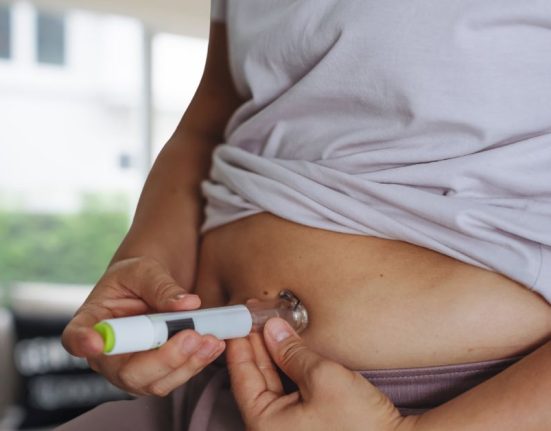
Physiotherapy is a cornerstone of Lifestyle Medicine, where movement is prescribed with the same precision as medication. For conditions like Diabetes, specific resistance and aerobic protocols improve insulin sensitivity and glucose uptake by the muscles. In cases of Hypertension, we design cardiovascular programmes that improve arterial elasticity and reduce systemic vascular resistance, helping to lower blood pressure naturally and safely under clinical supervision.
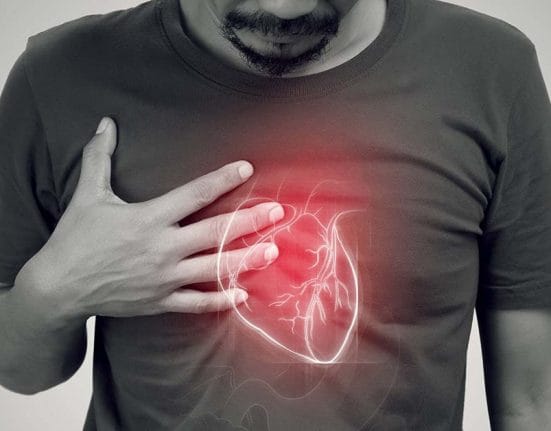
While rest is necessary during an acute medical crisis, prolonged inactivity actually weakens the heart muscle and reduces the efficiency of your circulatory system. Clinical physiotherapy provides a “safety net” for cardiac patients, using real-time monitoring of heart rate and oxygen saturation to ensure you are exercising within a therapeutic zone. This process, known as cardiac rehabilitation, strengthens the heart’s stroke volume and trains your peripheral muscles to use oxygen more efficiently, reducing the overall strain on your pump.
Respiratory physiotherapy focuses on the mechanics of the “bellows”—the muscles and structures that facilitate breathing. We use Inspiratory Muscle Training (IMT) to strengthen the diaphragm and intercostal muscles, alongside techniques like pursed-lip breathing to prevent airway collapse. For those struggling with mucus clearance or the persistent breathlessness associated with Long COVID, we provide strategies to optimise lung volume and energy conservation, helping you return to daily activities without constant “air hunger.”
The primary difference lies in clinical depth and data-driven safety. A standard workout focuses on general fitness, whereas a Lifestyle Medicine programme at a physiotherapy clinic is a medical intervention. We account for your full medical history, current medications, and internal biomarkers. By monitoring hemodynamics and respiratory response during movement, we can push the boundaries of your physical capacity while ensuring your internal systems—your heart, lungs, and metabolism—are responding positively and safely.
You should consult a physiotherapist if joint pain persists for more than 72 hours, recurs during specific movements, or is accompanied by swelling and stiffness. Waiting for musculoskeletal (MSK) issues to “self-heal” often leads to compensatory movements, where other parts of your body overwork to protect the painful area, eventually causing secondary injuries. Early intervention allows us to identify the root biomechanical cause—whether it is muscle weakness, joint malalignment, or poor posture—and resolve it before it becomes a chronic limitation.
Additional Resources
- Obesity – The Big Story | Health365
- How Physiotherapy Helps You Achieve a Healthier Quality of Life | PhysioVitae
- Diabetes and Exercise: Control Your Blood Glucose Levels with Physical Activity | HealthXchange
- Treatments and medicines for COPD | Asthma + Lung UK
- Publications / Journals | Singapore Physiotherapy Association