







Cancer In Singapore: A Comprehensive Resource Guide

Cancer Treatment Key Visual

Cancer is a significant health challenge in Singapore, affecting thousands of families every year. However, with the advancements in medical technology in 2026 and the national push toward early detection, a cancer diagnosis is no longer what it once was. This page serves as a central hub to help you understand the disease, identify symptoms, and connect with the right specialists for treatment.

What Is Cancer?

At its core, cancer is a condition where abnormal cells in a specific part of the body grow and reproduce uncontrollably. These cancerous cells can invade and destroy surrounding healthy tissue, including organs.

Editor's Picks

Learn More About These Cancers

Screening And Early Detection In 2026

Early detection saves lives. In Singapore, the Healthier SG Screening programme provide highly subsidised screenings for citizens and Permanent Residents.

  • Standard Screening: Includes Mammograms, HPV tests, and Faecal Immunochemical Tests (FIT).
  • Multi-Cancer Early Detection (MCED): New “liquid biopsy” blood tests that can screen for multiple cancers simultaneously before symptoms appear.

Cancer screening is also widely available in private healthcare via health screening centres and private clinics.

How Is Cancer Diagnosed?

If screening indicates an abnormality, or if a patient presents with symptoms, doctors use several diagnostic tools, including Physical Examination, Laboratory Tests, Imaging Tests, and Biopsies.

Medical Imaging

Medical imaging is key component of cancer screening and diagnostics.  If you are looking for medical imaging services, you can consider the following for a head start.

No product found.

Book an appointment for a colonoscopy or to consult a colorectal specialist. Contact us via the button below.

Second Opinion Cancer Diagnosis And Treatment

When facing a cancer diagnosis, making informed decisions about your treatment is crucial. Seeking a second opinion can help you better understand your condition, explore alternative treatment options, and confirm that your current plan is the best course of action. It is a common and responsible step that many patients take to ensure they are making the most informed choice for their health. Rest assured, your primary doctor will not feel slighted – medical professionals understand the value of a second opinion and often encourage patients to seek one to gain greater confidence and peace of mind in their treatment journey.

Traditional And Modern Cancer Treatment Methods

Traditional methods remain the backbone of cancer therapy. However, new technologies have expanded the options for patients.

Traditional Core Treatments – These include surgery, radiotherapy, and chemotherapy.

Modern And Emerging Technologies – These include Proton Therapy, Targeted Therapy, Immunotherapy, and Precision Medicine.

365Find

Find A Doctor

If you are looking for a doctor in Singapore for cancer screening or treatment, here are our Preferred Doctors you can consider:

Loading...
Powered by Find by 365Asia

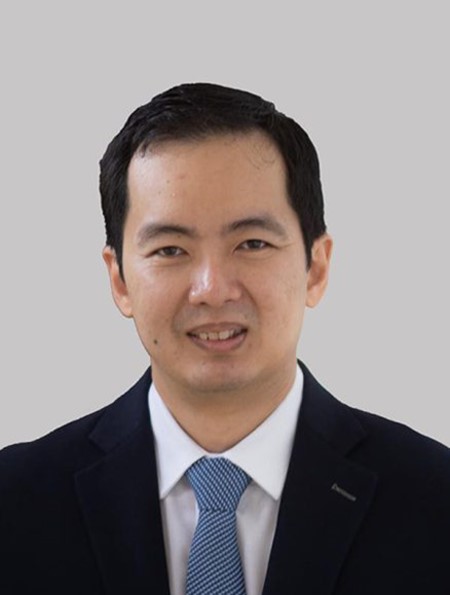
Dr Ng Jing Yu

Singapore, Singapore
General Surgery, General Surgery (Anorectal)

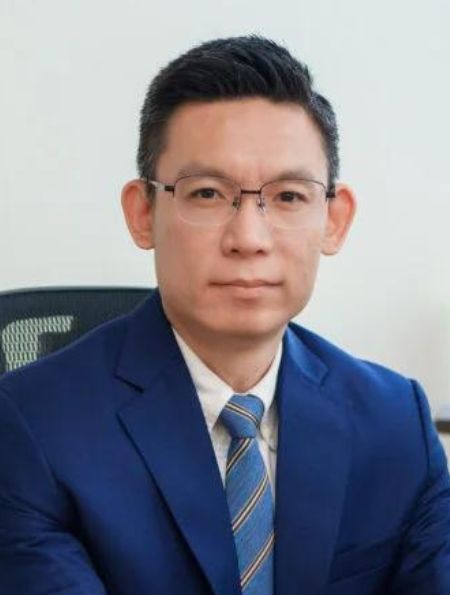
Dr Lee Lip Seng

Singapore, Singapore
General Surgery (Liver, Pancreas, Gallbladder)

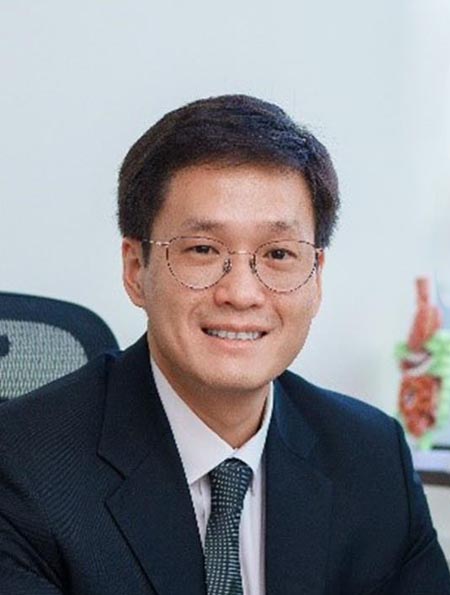
Dr Lee Kuok Chung

Singapore, Singapore
General Surgery, General Surgery (Colorectal)

Dr Tan Wee Boon

Singapore, Singapore
General Surgery, General Surgery (Endocrine), General Surgery (Hernia)

Dr Kim Guowei

Singapore, Singapore
General Surgery, General Surgery (Stomach), General Surgery (Hernia)

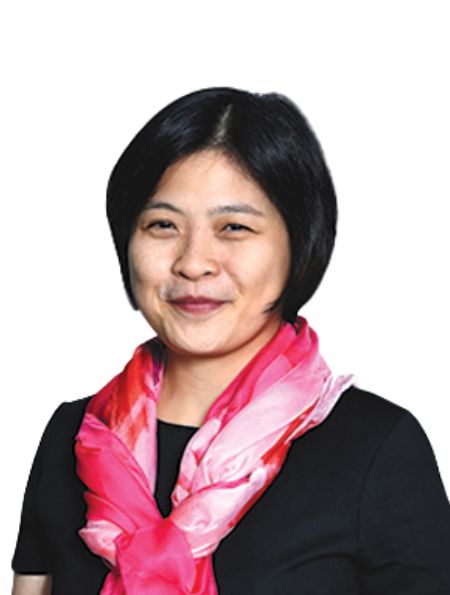
Dr Tan Yia Swam

Singapore, Singapore
General Surgery, General Surgery (Breast)

Dr Daniel Lee

Singapore, Singapore
General Surgery, General Surgery (Colorectal)

Dr John Hsiang

Singapore, Singapore
Gastroenterology

Dr Henry Tan Chor Lip 陈楚立医生

Johor, Malaysia
General Surgery, General Surgery (Breast)

Dr Chong Choon Seng 张峻诚医生

Singapore, Singapore
General Surgery, General Surgery (Colorectal), General Surgery (Hernia)

[SG] Featured Doctor- Dr Kevin Koo

Orthopaedic Surgeon In Singapore

Doctor Interview Videos

Financials


Managing the costs of cancer treatment is a primary concern for many patients. In Singapore, the healthcare financing system is designed to ensure that evidence-based treatments remain affordable through a combination of Government subsidies, MediShield Life, and MediSave. Under the current 2026 framework, outpatient cancer drug coverage is strictly tied to the Ministry of Health (MOH) Cancer Drug List (CDL). Only treatments and specific clinical indications found on this list are eligible for insurance claims and MediSave withdrawals. This list is updated regularly to include the most cost-effective and clinically proven drugs, ensuring that patients have access to high-quality care without facing excessive out-of-pocket expenses.

For those undergoing outpatient treatment, MediShield Life provides claim limits ranging from $200 to $9,600 per month, depending on the specific drug used. To further offset costs, patients can utilise MediSave, with withdrawal limits of either $600 or $1,200 per month per patient, based on the treatment’s CDL classification. Additionally, a separate Cancer Drug Services limit of $3,600 per year is available to cover related costs such as scans, blood tests, and consultations. For patients with Integrated Shield Plans (IPs), it is important to note that these private plans also follow the CDL for their main benefits, although many providers offer “riders” that provide limited coverage for selected treatments not found on the primary list

Check with CPF on the latest MediSave policies.

Featured Financial Advisors

Loading...
Powered by Find by 365Asia
Koh Hui Ling

Singapore, Singapore

Melissa Mok

Singapore, Singapore

[SG] Featured Doctor- Dr Kevin Koo

Orthopaedic Surgeon In Singapore
Cancer-Related Charities

FAQs

While symptoms vary depending on the type of cancer, there are several “red flags” that should never be ignored. Common signs include unexplained weight loss, persistent fatigue that does not improve with rest, and the appearance of new, unusual lumps or thickening in areas such as the breast, underarms, or testicles. You should also monitor for changes in bowel or bladder habits, a cough that lasts longer than three weeks, or moles that change in shape, size, or colour. Because these symptoms can often mimic less serious conditions, it is vital to consult a General Practitioner (GP) if any abnormality persists for more than a fortnight.

While not all cancers are preventable, you can significantly reduce your risk through evidence-based lifestyle choices. Avoiding tobacco in all forms is the single most impactful step you can take. Maintaining a healthy body mass index (BMI) through a diet rich in wholegrains, vegetables, and fruits—while limiting processed meats and alcohol—is also crucial. In the Singapore context, protecting your skin from excessive ultraviolet (UV) radiation and staying up to date with vaccinations, such as the Human Papillomavirus (HPV) vaccine for cervical cancer and the Hepatitis B vaccine for liver cancer, are key preventive strategies.

The “best” screening method depends on your age, gender, and risk profile. For the general population, the most reliable approach is adhering to the national guidelines under Healthier SG. This includes regular mammograms for women over 50, HPV testing for women over 30, and annual Faecal Immunochemical Tests (FIT) for everyone over 50. For those seeking a more comprehensive overview, modern Multi-Cancer Early Detection (MCED) blood tests can now screen for dozens of cancer signals simultaneously. However, these should complement, rather than replace, established screening programmes like colonoscopies or physical examinations.

If you suspect you have cancer or have received an abnormal screening result, your first point of contact should generally be a diagnostic specialist or a Surgical Oncologist. Surgeons are typically responsible for performing biopsies to confirm the malignancy and determine if the tumour can be physically removed. Once a diagnosis is confirmed, you will likely be referred to a Medical Oncologist, who coordinates systemic treatments like chemotherapy or immunotherapy. In Singapore’s private and public sectors, most patients are managed by a multidisciplinary team (MDT) where surgeons and oncologists work together to plan your treatment from the outset.

Seeking a second opinion is a standard and highly encouraged practice in oncology; most specialists expect and welcome it. A second opinion can provide peace of mind by confirming the initial diagnosis and staging. More importantly, different hospitals or specialists may offer access to different technologies—such as Proton Therapy versus traditional radiation—or different clinical trials and emerging drug therapies. Since cancer treatment is a significant physical and financial commitment, ensuring that your proposed treatment plan aligns with the latest international standards of care is a prudent step in your healthcare journey.

Additional Resources

  1. Colorectal Surgery | Crest Surgical. 
  2. Colon Polyps: How Their Removal Prevents Colorectal Cancer | Ark Surgical Practice
  3. Gastrointestinal Cancers: What You Can Do to Lower Your Risk | Colorectal Clinic Associates
  4. Stomach Cancer Screening | Juanda Leo Gastroenterology & Liver Clinic
  5. Breast Cancer | Breast Friend Surgery & Wellness
  6. What Are Pancreatic Neuroendocrine Tumours and How Are They Treated? | LS Lee Surgery
  7. What Is Cancer? | National Cancer Centre Singapore