


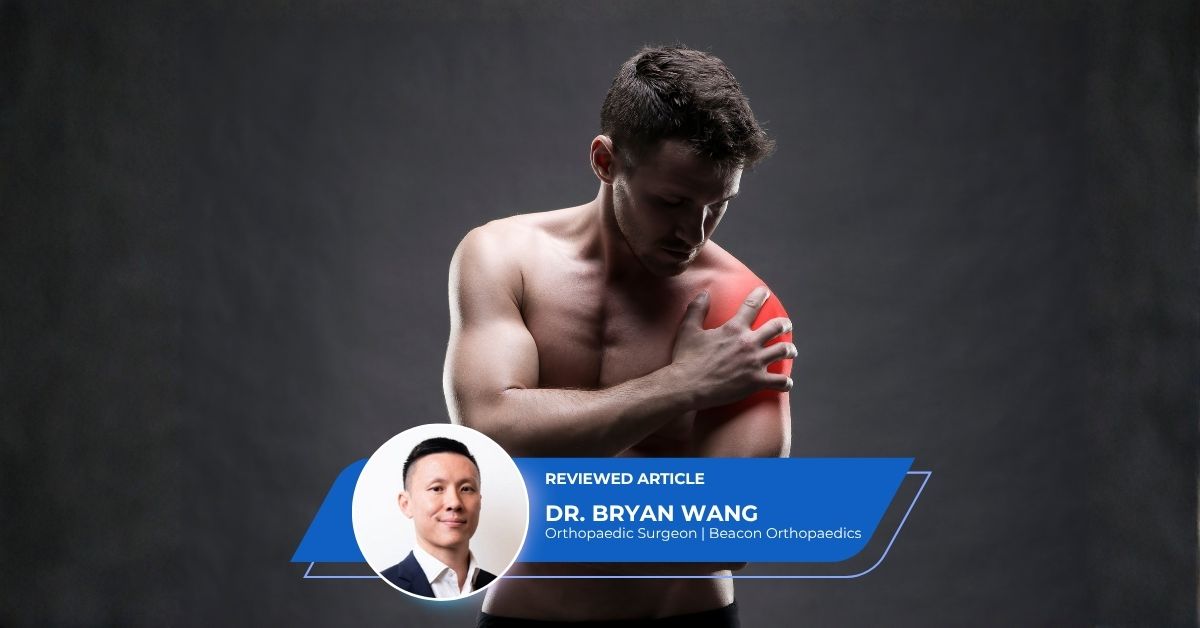
Bicep tendonitis is a common cause of pain in the front of the shoulder or upper arm. It occurs when the tendon that connects the biceps muscle to the shoulder or elbow becomes inflamed or irritated, often due to overuse or repetitive strain. The condition can affect athletes, manual workers, or anyone who engages in repetitive lifting or overhead activities.
Fortunately, bicep tendonitis treatment can relieve pain, restore function, and prevent further injury when addressed early. In Singapore, a wide range of conservative and advanced treatment options are available depending on the severity of the condition.
Consult An Orthopaedic Specialist
Contact UsBack To: Orthopaedic Care In Singapore: Upper Limbs Main Page
What Is Bicep Tendonitis?
The biceps muscle has two tendons that attach it to the shoulder (the long head and short head) and one tendon that connects it to the elbow. When one of these tendons becomes inflamed, it leads to a condition known as bicep tendonitis.
Most cases involve inflammation of the long head of the biceps tendon, which passes through the shoulder joint. This form is commonly associated with shoulder overuse, rotator cuff injuries, or repetitive overhead motions such as those performed in sports like tennis, swimming, or weightlifting.
What Are The Symptoms Of Bicep Tendonitis?
- Pain or tenderness in the front of the shoulder or upper arm
- Worsening discomfort with lifting or overhead activities
- Weakness in the affected arm
- A snapping or clicking sound in the shoulder during movement
If untreated, inflammation may worsen, and in severe cases, the tendon can degenerate or even tear, leading to chronic shoulder weakness or deformity.
Overview Of Bicep Tendonitis Treatment
The main goals of bicep tendonitis treatment are to reduce inflammation, relieve pain, restore shoulder and arm strength, and prevent recurrence. Treatment begins conservatively and progresses to more advanced options if symptoms persist.
Most patients respond well to non-surgical management, particularly when treatment is started early. Surgical intervention is considered only in chronic or severe cases.
What Are The Non-Surgical Treatment Options For Bicep Tendonitis?
1. Rest And Activity Modification
The first step in treatment is to rest the affected arm and avoid activities that worsen pain, such as heavy lifting, overhead reaching, or sports involving throwing motions. Rest allows the tendon to heal naturally by reducing strain and inflammation.
2. Ice Therapy
Applying ice packs to the shoulder or upper arm for 15–20 minutes several times a day can help relieve pain and reduce swelling.
3. Medications
Nonsteroidal anti-inflammatory drugs (NSAIDs) such as ibuprofen or naproxen may be prescribed to reduce pain and inflammation. In some cases, topical anti-inflammatory gels can also provide local relief.
4. Physiotherapy
Physiotherapy is a cornerstone of bicep tendonitis treatment. A physiotherapist will guide the patient through gentle stretching and strengthening exercises to improve shoulder stability, correct posture, and enhance range of motion. Techniques such as ultrasound therapy, electrical stimulation, or soft tissue massage may also be used to accelerate recovery.
5. Corticosteroid Injections
For patients with persistent pain that does not improve with rest and medication, a corticosteroid injection may be recommended. The injection helps reduce inflammation around the tendon, providing significant relief. However, repeated injections are usually avoided, as excessive use may weaken the tendon over time.
6. Shockwave Therapy
In Singapore, extracorporeal shockwave therapy (ESWT) has become an increasingly popular option for chronic tendon inflammation. It uses acoustic waves to stimulate blood flow and tissue healing, reducing pain and promoting tendon recovery without the need for medication or surgery.
7. Platelet-Rich Plasma (PRP) Therapy
PRP therapy involves using the patient’s own blood to extract concentrated platelets, which are then injected into the affected area to promote natural healing. It can be particularly effective for chronic cases where the tendon tissue shows signs of degeneration.
What Are The Surgical Treatment Options For Bicep Tendonitis?
If non-surgical treatments do not provide relief after several months, or if there is a significant tendon tear, surgery may be considered. Surgical procedures for bicep tendonitis are typically performed using minimally invasive techniques and have high success rates.
1. Biceps Tenotomy
This involves releasing the damaged long head of the biceps tendon from its attachment at the shoulder joint. It is a simple procedure often used for older or less active patients to relieve pain.
2. Biceps Tenodesis
In this procedure, the diseased portion of the tendon is removed, and the remaining tendon is reattached to the upper arm bone (humerus). This option preserves muscle strength and appearance, making it suitable for younger or more active individuals.
3. Arthroscopic Shoulder Surgery
If the tendonitis is associated with other shoulder issues such as a rotator cuff tear or impingement, arthroscopic surgery can address both problems simultaneously. This minimally invasive method allows for faster recovery and minimal scarring.
Recovery And Rehabilitation
Recovery time varies depending on the severity of the condition and the treatment method used.
- Non-surgical cases may take 4–8 weeks to heal, especially with consistent physiotherapy.
- Surgical recovery may require 2–3 months, followed by a structured rehabilitation programme to restore full function.
During recovery, patients are advised to gradually reintroduce physical activity under medical supervision to prevent recurrence.
When To See A Doctor
You should seek medical attention if shoulder or arm pain persists despite rest, or if you notice weakness, swelling, or a visible change in the contour of the upper arm. Early intervention helps prevent chronic tendon damage and ensures a quicker return to normal activities.
Frequently Asked Questions (FAQs)
Yes. Most cases of bicep tendonitis can heal with rest, physiotherapy, and anti-inflammatory measures. Surgery is typically reserved for chronic or severe cases that do not respond to conservative treatment.
Recovery time varies but generally ranges from 4 to 8 weeks with proper rest and physiotherapy. Chronic cases may take longer, especially if tendon degeneration is present.
Light stretching and guided physiotherapy exercises are beneficial once acute pain has subsided. However, strenuous activities, particularly those involving lifting or overhead movement, should be avoided until cleared by a doctor or physiotherapist.
Get An Appointment With An Orthopaedic Specialist For Bicep Tendonitis Treatment
If you are experiencing bicep tendonitis symptoms, consult an orthopaedic specialist to explore your treatment options today.
Contact Us
This medical content has been reviewed by Dr Bryan Wang, an experienced orthopaedic surgeon in Singapore known for his patient-centred approach, advanced minimally invasive techniques, and comprehensive management of complex shoulder conditions.
Back To: Orthopaedic Care In Singapore: Upper Limbs Main Page
All content on this site is informative only and is not intended to be a substitute for professional medical advice, diagnosis, or treatment, and should never be relied upon for specific medical advice. If you are experiencing a medical emergency, call 995 immediately or go to the nearest Accident & Emergency department.
health365.sg is a member of Group 365Asia.