

What Is Coronary Artery Disease?
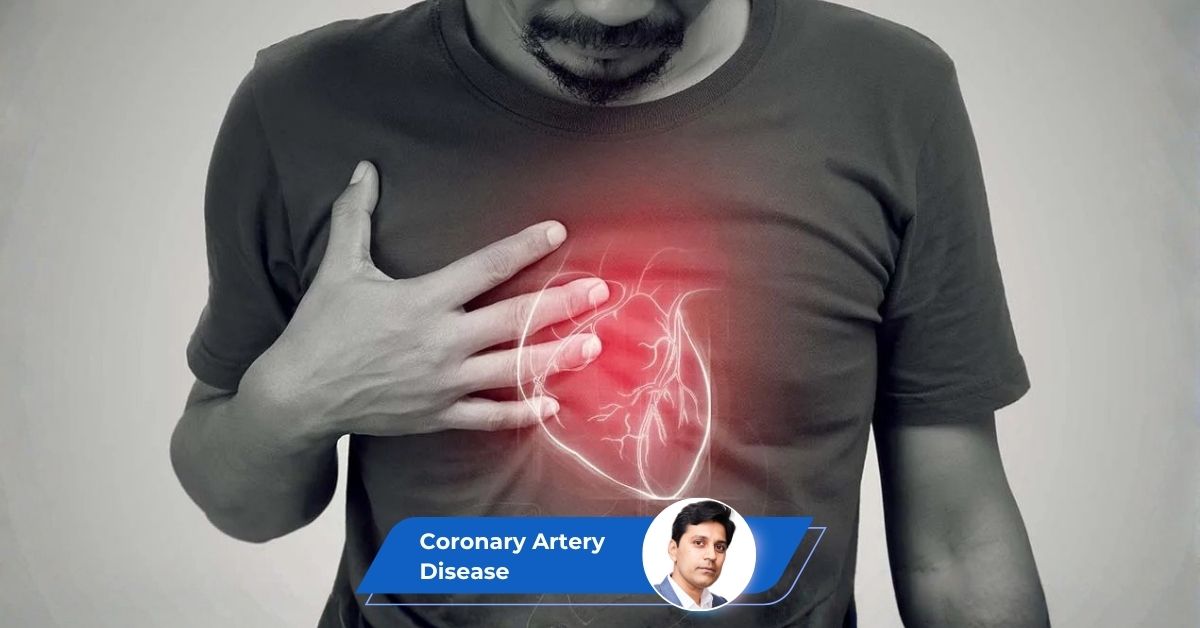
Coronary Artery Disease (CAD)—also known as coronary heart disease or ischaemic heart disease—occurs when the blood vessels supplying oxygen and nutrients to the heart muscle become narrowed or hardened by fatty deposits (plaque). This progressive process is called atherosclerosis.
When plaque restricts oxygen-rich blood flow to the heart muscle, it causes chest discomfort (angina). If a plaque ruptures and forms a complete blockage, it triggers an acute myocardial infarction (heart attack).
Back To: Coronary Artery Disease Main Page
CAD Prevalence in Singapore
According to the Ministry of Health (MOH) and the Singapore Heart Foundation (SHF), cardiovascular disease (heart disease and stroke) accounts for 30.5% of all deaths in Singapore in 2024—claiming approximately 22 lives every day.
Specifically, Coronary Artery Disease (Ischaemic Heart Disease) remains one of the single largest contributors to national mortality, accounting for 19.6% of total deaths, with a higher overall incidence in men and individuals over the age of 45.
What Are The Causes Of Coronary Blockages & Risk Factors?
Coronary Artery Disease is primarily caused by atherosclerosis, a condition where fatty deposits (plaque) build up in the coronary arteries. Several risk factors contribute to the development of CAD, including:
- Smoking: Smoking damages the blood vessels and accelerates the buildup of plaque.
- High Blood Pressure: Hypertension can damage the artery walls and promote plaque formation.
- High Cholesterol: Elevated levels of cholesterol, particularly low-density lipoprotein (LDL) cholesterol, contribute to plaque buildup.
- Diabetes: High blood sugar levels can damage the blood vessels and increase the risk of CAD.
- Obesity: Excess weight is associated with increased cholesterol levels, high blood pressure, and diabetes.
- Sedentary Lifestyle: Lack of physical activity contributes to the development of CAD.
- Family History: A family history of heart disease increases the risk of CAD.
- Age: The risk of CAD increases with age, particularly after 45 for men and 55 for women.
- Unhealthy Diet: Diets high in saturated fats, trans fats, and cholesterol can lead to plaque buildup in the arteries.
What Are The Symptoms Of Coronary Artery Disease?
The symptoms of Coronary Artery Disease can vary from person to person. Symptoms may not appear, or be noticed initially. With continued narrowing of the coronary arteries, symptoms can become more severe. Common symptoms include:
- Chest pain (angina). This is sensation of squeezing, pressure, heaviness, tightness or pain in the chest. Usually, this is felt in the middle or left side of the chest.
- Shortness of breath. You may feel like you can’t catch your breath.
- Fatigue. If the heart can’t pump enough blood to meet your body’s needs, you may feel unusually tired.
If a blocked coronary artery causes a heart attack, heart attack symptoms may be noticed, including:
- Chest pain (feels like pressure, tightness, squeezing or aching of the chest).
- Pain that spreads to the shoulder, arm, back, neck, or jaw.
- Cold sweat.
- Shortness of breath.
- Lightheadedness / dizziness.
- Fatigue.
- Heartburn.
- Nausea.
How To Prevent This Condition?
Preventive measures for coronary artery disease include:
- Quit Smoking: Smoking cessation significantly reduces the risk of CAD.
- Healthy Diet: A balanced diet low in saturated fats, trans fats, cholesterol, and sodium helps manage CAD.
- Regular Exercise: Engaging in moderate exercise, such as walking, can improve cardiovascular health.
- Manage Chronic Conditions: Controlling diabetes, high blood pressure, and high cholesterol is crucial for preventing CAD.
- Maintain A Healthy Weight: Achieving and maintaining a healthy weight reduces the risk of CAD.
What Are The Costs Of Screening & Testing For Coronary Artery Disease?
Screening and diagnosis of Coronary Artery Disease costs range from S$50 to S$5,000+ depending on the modality:
| Screening / Diagnostic Test | Function & Description | Estimated Cost (Private Sector)* |
|---|---|---|
| Blood Tests | Checks for cardiac risk factors, such as lipid profiles (high cholesterol), HbA1c (diabetes), and inflammation markers. | S$50–S$200 (varies by panel size) |
| Electrocardiogram (ECG) | Measures the electrical activity of the heart to detect arrhythmias or structural abnormalities. | S$100–S200 |
| Stress Test | Assesses how the heart performs under physical strain, typically using a treadmill or stationary bicycle. | S$300–S$500 |
| CT Calcium Score | Uses a low-dose CT scanner to measure calcified plaque build-up in the coronary arteries to assess overall risk. | S$300–S$400 |
| Echocardiogram | Uses ultrasound sound waves to create real-time images of the heart chambers and evaluate pumping function. | S$500–S$1,000 |
| CT Coronary Angiography (CTCA) | Utilises a CT scanner with contrast dye to produce detailed 3D images of blood vessels and identify arterial blockages non-invasively. | S$1,000–S$1,200 |
| Coronary Angiography | An invasive, hospital-based procedure where contrast dye is injected via a catheter to view real-time blood flow and pinpoint precise blockages. | S$2,000–S$5,000+ (excludes facility & specialist fees) |
Note: The above estimates are for the private sector in Singapore in 2026. Prices will vary depending on the clinic, hospital, doctor seniority, and specific tests included. Please check directly with your chosen clinic or healthcare provider for the most accurate and up-to-date pricing.
Which Doctor For Treatment Of Coronary Artery Disease?
Medical professionals that treat coronary artery disease include general cardiologists, interventional cardiologists, cardiothoracic surgeons, and preventive & cardiac rehabilitation specialist:
1. General Cardiologist
A General Cardiologist is usually the primary heart specialist a patient sees for initial evaluation, diagnosis, and non-invasive management. They assess CAD risk through diagnostic tests (such as CT coronary angiograms or treadmill stress tests) and manage the condition using lifestyle modifications and long-term medications.
2. Interventional Cardiologist
If diagnostic testing reveals significant blockages requiring immediate physical opening, patients are referred to an Interventional Cardiologist. These specialists perform minimally invasive, catheter-based procedures. Common interventions include:
- Percutaneous Coronary Intervention (PCI) / Angioplasty: Inserting a small balloon via the wrist or groin to widen narrow arteries.
- Stent Implantation: Placing a tiny mesh tube inside the artery to keep it open permanently.
3. Cardiothoracic Surgeon
When blockages are severe, widespread, or located in critical junction points (such as the left main artery), catheter interventions may not be sufficient. In these cases, a Cardiothoracic Surgeon performs open-chest or minimally invasive surgical treatments, most notably Coronary Artery Bypass Grafting (CABG). This surgery redirects blood around blocked arteries using healthy vessels taken from the leg, arm, or chest.
4. Preventive & Cardiac Rehabilitation Specialist
Following acute treatment or surgery, patients often see specialists in Preventive Cardiology and Cardiac Rehabilitation. These doctors focus on long-term secondary prevention, guiding tailor-made exercise programmes, diet adjustments, and aggressive management of underlying risk factors like hypertension, high cholesterol, and diabetes to prevent further disease progression.
Preferred Doctors For Coronary Disease Treatment In Singapore
If you are looking for a doctor for coronary artery disease treatment, you can consider our Preferred Doctor partners:
Dr Pinakin V. Parekh – Consultant Cardiologist in Singapore
Dr Pinakin is a specialist in General, Preventive, and Interventional Cardiology. Articles reviewed by Dr Pinakin:



[SG] Featured Doctor- Dr Kevin Koo
Resources To Help You Find A Doctor
- Top 10 Cardiologists in Singapore
- Top Cardiologists For Angioplasty & Stenting In Singapore
- Best Paediatric Cardiologist In Singapore
Which Hospitals And Medical Centres Are There For Screening & Treatment?
For coronary artery disease screening and treatment in Singapore, people can access care across public national heart centres, private hospitals, and dedicated diagnostic imaging facilities. In the public sector, major tertiary institutions—such as the National Heart Centre Singapore (NHCS) and the National University Heart Centre, Singapore (NUHCS), alongside restructured hospitals, offer comprehensive diagnostic screening, emergency angioplasty, and cardiac surgery.
For private care, patients can visit sub-specialised heart clinics within hospital hubs like Mount Elizabeth Hospitals (Orchard and Novena), Gleneagles Hospital, Farrer Park Hospital, and Mount Alvernia Hospital. Additionally, people seeking early detection or non-invasive cardiac assessment can visit standalone ambulatory diagnostic centres—such as AsiaMedic Wellness Assessment Centre, RadLink, and Lifescan Imaging—which specialise in advanced imaging technologies like CT coronary angiograms and calcium scoring to identify arterial blockages before symptoms develop.
Explore: Find A Hospital resources.
What Is The Cost Of Coronary Artery Disease Treatment In Singapore?
The following are the estimates for the cost of coronary artery disease treatment in Singapore:
| Treatment / Procedure | Description & Clinical Purpose | Estimated Cost (Private Sector)* |
|---|---|---|
| Long-Term Medications | Includes antiplatelets (e.g., aspirin), statins (cholesterol-lowering), beta-blockers, and ACE inhibitors to prevent disease progression and manage blood pressure. | Varies (depends on drug type, dosage, and duration; typically covered under CDMP/MediSave) |
| Coronary Artery Bypass Grafting (CABG) | Open-chest or minimally invasive surgical procedure that bypasses blocked arteries using healthy blood vessels grafted from the leg, arm, or chest. | S$30,000–S$50,000 (can range up to S$80,000+ for complex multi-vessel or ICU cases) |
| Angioplasty & Stenting (PCI) | Minimally invasive, catheter-based procedure (Percutaneous Coronary Intervention) that expands narrowed arteries with a balloon and inserts tiny mesh stents to keep them open. | S$40,000–S$60,000 (varies based on the number and type of drug-eluting stents implanted) |
Note: The above estimates are for the private sector in Singapore. Prices will vary depending on the clinic, hospital, doctor seniority, and specific tests included. Please check directly with your chosen clinic or healthcare provider for the most accurate and up-to-date pricing.
Treatment for Coronary Artery Disease aims to reduce symptoms, improve quality of life, and prevent complications. The following treatment options are commonly used:
Lifestyle Changes
- Quit Smoking: Reducing or eliminating smoking can significantly improve heart health.
- Healthy Diet: Eating a balanced diet rich in fruits, vegetables, whole grains, lean proteins, and healthy fats can help manage CAD.
- Exercise: Regular physical activity, such as walking, can improve cardiovascular health and reduce symptoms.
Medications
- Antiplatelet Agents: Medications like aspirin help prevent blood clots and improve blood flow.
- Cholesterol-Lowering Drugs: Statins can help lower cholesterol levels and reduce the risk of complications.
- Blood Pressure Medications: Controlling high blood pressure is crucial for managing CAD.
- Beta-Blockers: Medications that reduce the heart’s workload and improve symptoms.
- Nitrates: Medications that relax and widen blood vessels, improving blood flow to the heart.
- Calcium Channel Blockers: Medications that relax the heart’s blood vessels and reduce heart rate.
Procedures
- Angioplasty And Stenting: A minimally invasive procedure where a small balloon is inflated inside the artery to widen it, followed by placing a stent to keep it open.
- Coronary Artery Bypass Grafting (CABG): In severe cases, a surgeon may create a bypass around the blocked artery using a graft from another part of your body or a synthetic tube.
Additional Resources On Costs
- Cost Of Coronary Artery Disease Treatment In Singapore
- CT Coronary Angiogram Cost In Singapore
- Financial Planning For Cost Of Medical Treatment
- MediSave And Medishield Life Coverage For Overseas Singaporeans
What Are The Insurance And Financing Considerations For This Condition?
Health & Hospitalisation (H&S) Insurance
- MediShield Life: Singapore’s national health insurance automatically covers all Singapore Citizens and Permanent Residents for life, regardless of pre-existing heart conditions. It is pegged at subsidised Class B2/C public hospital wards. It provides coverage for daily ward stays, surgeries (e.g., angioplasty, CABG), and expensive implants like cardiac stents, subject to fixed claim limits and an annual limit of S$200,000.
- Integrated Shield Plans (IPs): For those seeking treatment in Class A/B1 public wards or private hospitals, commercial IPs provide additional coverage above MediShield Life. These significantly increase annual claim limits (up to S$1 million – S$2+ million) and cover higher proportions of private hospital or single-room bills.
- Critical Illness (CI) Riders/Policies: While H&S insurance pays medical bills directly, CI plans issue a lump-sum cash payout upon diagnosis of major CAD milestones (such as severe heart attack or major coronary bypass surgery). This helps offset loss of income or post-surgery recovery costs.
Find A Financial Adviser
If you are looking for a financial adviser to help navigate the complexities of insurance claims and financial planner for medical contingencies, you can consider our Preferred Financial Adviser partners:


Find A Panel Doctor
Looking for a doctor on the panel of your insurance provider? The following may be useful:
External Link: Health Insurance & Panel Doctor Networks
MediSave Usage & Government Subsidies
- Government Subsidies: Singaporeans receiving CAD care as subsidised patients at public hospitals or Polyclinics receive up to 50% to 80% direct government subsidies on inpatient stays, surgeries, diagnostic tests, and medications based on means-testing.
- Inpatient & Surgical MediSave Withdrawal: MediSave can be used to pay for co-payments, deductibles, or ward fees. For procedures like heart stenting (PCI) or bypass surgery (CABG), MediSave withdrawal limits depend on the surgery’s complexity under the Table of Surgical Procedures (TOSP). For cardiac implants (such as stents or pacemakers), an additional MediSave limit applies.
- Outpatient MediSave:
- Chronic Disease Management Programme (CDMP): Patients can use up to S$500 or S$700 (for complex multi-chronic conditions) per year from their MediSave to pay for ongoing outpatient CAD management and related conditions like hypertension, high cholesterol, and diabetes.
- Outpatient Scans & Rehabilitation: Up to S$600 per year per patient can be withdrawn from MediSave for diagnostic CT coronary angiograms or MRI scans, as well as post-treatment cardiac rehabilitation programmes.
Financial Assistance (MediFund & Support Schemes)
- MediFund: A government safety net designed as an endowment fund to help needy Singaporeans who cannot afford their remaining medical bills even after government subsidies, MediShield Life, and MediSave drawdowns. Patients can apply through the Medical Social Work department at any public hospital or restructured centre.
- Non-Governmental Organisations (NGOs) & Voluntary Welfare Organisations (VWOs):
- Singapore Heart Foundation (SHF): Offers subsidised rates for cardiac rehabilitation programmes, specialized heart-healthy lifestyle guidance, and financial support for needy heart patients undergoing rehabilitation.
- Hospital Trust Funds: Public health clusters (such as SingHealth and National Healthcare Group) run dedicated patient assistance funds (e.g., SingHealth Health System Development Fund or NUHS Fund) supported by donors to help low-income patients pay for non-subsidised medical items like specialized heart stents, pacemakers, or medications.
FAQs
Why Is Coronary Artery Disease a silent killer?
Coronary Artery Disease (CAD) is a condition where the coronary arteries, which supply blood to the heart muscle, become narrowed or blocked due to the buildup of fatty deposits called plaque. This limits how much blood can reach your heart muscle. If the plaque triggers a blood clot, it may stop the flow of blood to the heart, resulting in a heart attack. CAD is often without symptoms until the heart attack – this is why it is considered a “silent killer” disease.r screening in Singapore?
Can Coronary Artery Disease (CAD) be reversed naturally through lifestyle changes alone?
Early-stage CAD cannot be completely reversed, but plaque progression can be halted or stabilized through strict lifestyle changes and medication. Key natural measures include adopting a low-saturated-fat diet, exercising for 150 minutes weekly, quitting smoking, and managing stress. However, significant structural blockages typically require cholesterol-lowering medications (like statins), blood thinners, or procedures such as angioplasty to restore safe blood flow.
How often should I undergo heart screening for CAD in Singapore if I have no symptoms?
Adults aged 40 and above—or younger individuals with risk factors like high blood pressure, high cholesterol, diabetes, or a family history of heart disease—should undergo basic health screenings annually. Standard non-invasive CAD screenings, such as a CT Calcium Score or Stress Test, are typically recommended every 3 to 5 years depending on your initial risk profile and your doctor’s evaluation.
How Is CAD Diagnosed?
CAD is diagnosed through methods such as electrocardiogram (ECG), stress test, echocardiogram, cardiac CT scan, blood tests, and coronary angiography.
How do doctors determine whether I need coronary stenting (angioplasty) or bypass surgery (CABG) for my CAD?
The decision between Percutaneous Coronary Intervention (PCI / stenting) and Coronary Artery Bypass Grafting (CABG surgery) is usually made by a “Heart Team” consisting of interventional cardiologists and cardiothoracic surgeons, guided by your diagnostic tests:
- When Stenting (PCI) is preferred: Typically recommended for single or two-vessel blockages, or less severe anatomical structures. It is a minimally invasive, catheter-based procedure performed by an Interventional Cardiologist under local anaesthesia, involving a shorter hospital stay (usually 1 to 2 days).
- When Bypass Surgery (CABG) is preferred: Typically recommended for complex, multi-vessel blockages, left main artery disease, or patients with co-existing conditions like severe diabetes. Performed by a Cardiothoracic Surgeon under general anaesthesia, it redirects blood flow around blocked arteries using healthy vessels from elsewhere in the body, requiring a longer recovery (5 to 7 days in hospital).
Contact Us For An Appointment
If you are concerned about your coronary health and wish to consult a specialist, we can help with an appointment. Contact us via the button below.
Contact UsAdditional Resources
- Coronary Angioplasty in Singapore (Heart Balloon Surgery) | Trident Heart Centre
- Heart Health | Singapore Heart Foundation. Available from: https://www.myheart.org.sg/health/
- Heart Disease: Screening and Diagnostics | Gleneagles Hospital.
- Coronary Artery Disease | National heart Centre.
- Diagnostic Tests | American Heart Association.
All content on this site is informative only and is not intended to be a substitute for professional medical advice, diagnosis, or treatment, and should never be relied upon for specific medical advice. If you are experiencing a medical emergency, call 995 immediately or go to the nearest Accident & Emergency department.
health365.sg is a member of Group 365Asia.