

Dr. Adrian Lau – Consultant Orthopaedic Surgeon in Singapore
Specialist in Primary and Complex Hip & Knee Surgery, Joint Replacement & Preservation, and Sports Injuries
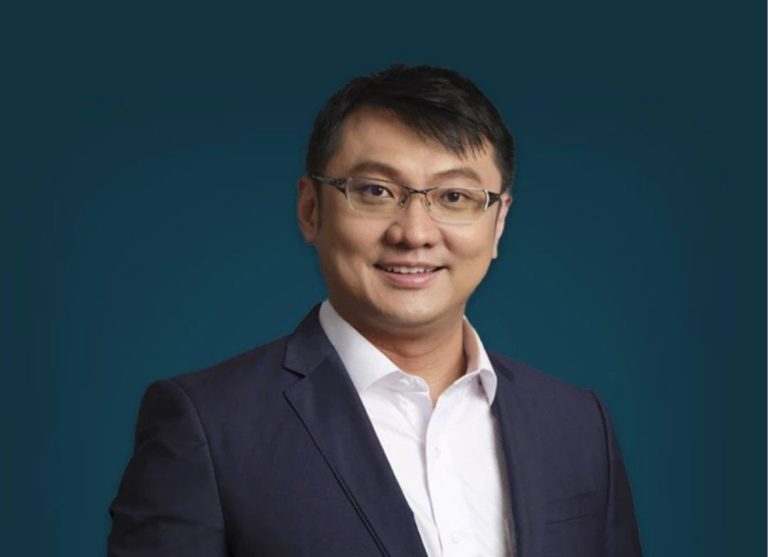
At-a-Glance
Dr Adrian Lau is a double-fellowship-trained Specialist Orthopaedic Surgeon with extensive expertise in complex hip and knee replacements, joint revision surgery, and sports-related lower limb injuries.
✔ Areas of Expertise: Primary & Complex Hip and Knee Replacement, Partial Knee Replacement, Direct Anterior Approach Hip Replacement, Revision Arthroplasty, Arthroscopic Knee Surgery, and Periprosthetic Fractures.
✔ Clinic: Hip & Knee Orthopaedics, (Google Map)
✔ Language: English
✔ Insurance Panels: Singlife Shield, NTUC Income Shield, HSBC Life Shield, Prudential (PruPanel Connect at Aptus, Novaptus, Novena Surgery Centre), Great Eastern (DA Adept Health Connect)
✔ Practicing At: Mount Elizabeth Novena Hospital
Know Before You Go: Dedicated to compassionate joint care, ensuring patients understand every step of their journey toward active, pain-free living.
the vision
Personalised, Value-Driven Joint Care
“I aim to restore patients’ mobility and preserving their joint function through evidence-based, tailored surgical solutions.”
– Dr Adrian Lau
Get To Know Dr Adrian Lau
Dr Adrian Lau completed his undergraduate and postgraduate medical degrees at the National University of Singapore (NUS). Awarded the Ministry of Health Training Award, he pursued subspecialty fellowship training in complex adult reconstruction at the University of Western Ontario, Canada, followed by a fellowship in partial knee replacement and lower limb reconstruction at the prestigious Nuffield Orthopaedic Centre in Oxford, UK. Prior to entering private practice, Dr Lau served as Director of Hip and Knee Surgery at Changi General Hospital (CGH), where he spearheaded Ministry of Health clinical workgroups for joint replacement quality and outcomes.
What Is His Ethos In Medicine?
He believes in delivering holistic, patient-centric orthopaedic care by tailoring treatments to each individual’s functional goals. Non-surgical treatments are explored first , before surgery, and treatments are tailored to each patient’s concerns and expectations.
If You Run Into Him Outside Work, You Are Likely To…
…see Dr Lau in the library reading, or playing a game of badminton with his son.
Academic Qualifications
- MBBS (Bachelor of Medicine and Bachelor of Surgery)
- MRCSEd Member (Royal College of Surgeons of Edinburgh)
- MMed (Ortho) Master of Medicine (Orthopaedic Surgery)
- FRCSEd (Trauma & Ortho) Fellowship of the Royal College of Surgeons of Edinburgh in Trauma and Orthopaedic Surgery
Publications
- The effect of subluxation of articulating antibiotic spacers on bone defects and degree of constraint in revision knee arthroplasty
- Tribocorrosion: Ceramic and Oxidized Zirconium vs Cobalt-Chromium heads in Total Hip Arthroplasty
- Effect of Acetabular Component Postioning on Functional Outcomes in Primary Total Hip Arthroplasty
- Similar Radiological Results with accelerometer-based navigation versus conventional technique in total knee arthroplasty
- Recurrent Hemarthrosis After Total Knee Arthroplasty
9 Questions & Answers
1. What inspired you to pursue a career in orthopaedics?
My early postings in Orthopaedics were particularly inspiring. I saw how joint replacements changed patients’ lives significantly, and the impact arthroplasty had on patients suffering from hip and knee arthritis. From there, I wanted to pursue a career in Orthopaedics.
2. When should patients consider consulting an orthopaedic specialist for hip or knee pain?
Patients should think about seeing an orthopaedic specialist when hip or knee pain moves beyond a passing ache into something that persists, limits function, or comes with warning signs such as the following:
1. Pain interfering with daily life
2. Stiffness or significant loss of range of motion
3. Mechanical symptoms of locking , catching, painful clicking, giving way
4. Recurrent swelling or visible change
3. How do you stay current with the latest advancements and research in your field?
We keep up to date with Orthopaedic literature by keeping important journals under our subscription list. Where new technology becomes available, we visit international conferences to keep up to date, attend relevant training events. I am currently a member of the American Academy of Orthopaedic Surgeons, and we also have an active subscription to Journal of Bone and Joint Surgery. There is no better way to keep up to date, than keeping tabs on the latest medical literature.
4. What is your patient care philosophy?
My patient care philosophy is shared decision making, taking into account pateint’s values and expectations. Surgery is explored not as the first default, but when absolutely necessary.
5. What are some common misconceptions or myths about hip and knee health and replacement that you often encounter, and how do you address them with your patients?
One of the most common myths about hip and knee replacement is that patients often fear that once they embark on hip and knee replacements, that in a few years, the joints will come loose and the surgery will need to be performed again. With modern implants and techniques, most joint replacements will last a few decades, and will likely be the only arthroplasty surgery patients will need. I show them the data from the joint registries, and reassure them.
6. How do you ensure patients have a good understanding of their treatment choices?
We give our patients time to consider the treatments offered. Especially with regards to surgery, we allow them time to make the decision and encourage them to take the discussions with their family. We engage them not only in clinic but answer their questions , as they arise, via our mobile, email channels, while patients are considering the options. We then meet them again when they have taken the time to consider, and answer any other questions they may have.
7. How do you maintain a work-life balance to stay refreshed and engaged with your patients?
As far as possible, I try to keep time in my clinic for work, and time at home for family and personal time including fitness. We make it a point to travel at least twice a year to stay refresh and keep engaged without burning out. Maintaining a good balance is not easy, but critical for us so we can stay passionate in our goals.
8. In your opinion, what are some of the most exciting developments or technologies currently emerging in the field of orthopaedic surgery?
For me, over the last few years, we see the emergence of robotic assisted knee replacements. The ability now to plan the cuts accurately will reduce variability arising from inaccurate cuts. From there, once outcome data are available and linked to intraoperative alignment philosophies and balancing, we will be able to deliver better outcomes to our patients in a much more consistent manner.
9. Can you share any advice on how people can take steps to preserve their hip and knee health or detect joint degeneration early for timely treatment?
To preserve hip and knee health, we should maintain a good muscle envelope by having a routine that keeps those muscles in good shape. We must be mindful of our weight and the impact our weight have on the joints. Lastly we must consider the activities we do, bearing in mind the current state of our joints, our weight, and the condition of the muscle envelope. While surgeons can do joint injections to reduce pain, I believe the above factors discussed can bring lasting change to hip and knee health, in almost any group of patients.
Reviewed Articles
Coming soon!
All content on this site is informative only and is not intended to be a substitute for professional medical advice, diagnosis, or treatment, and should never be relied upon for specific medical advice. If you are experiencing a medical emergency, call 995 immediately or go to the nearest Accident & Emergency department.
health365.sg is a member of Group 365Asia.