

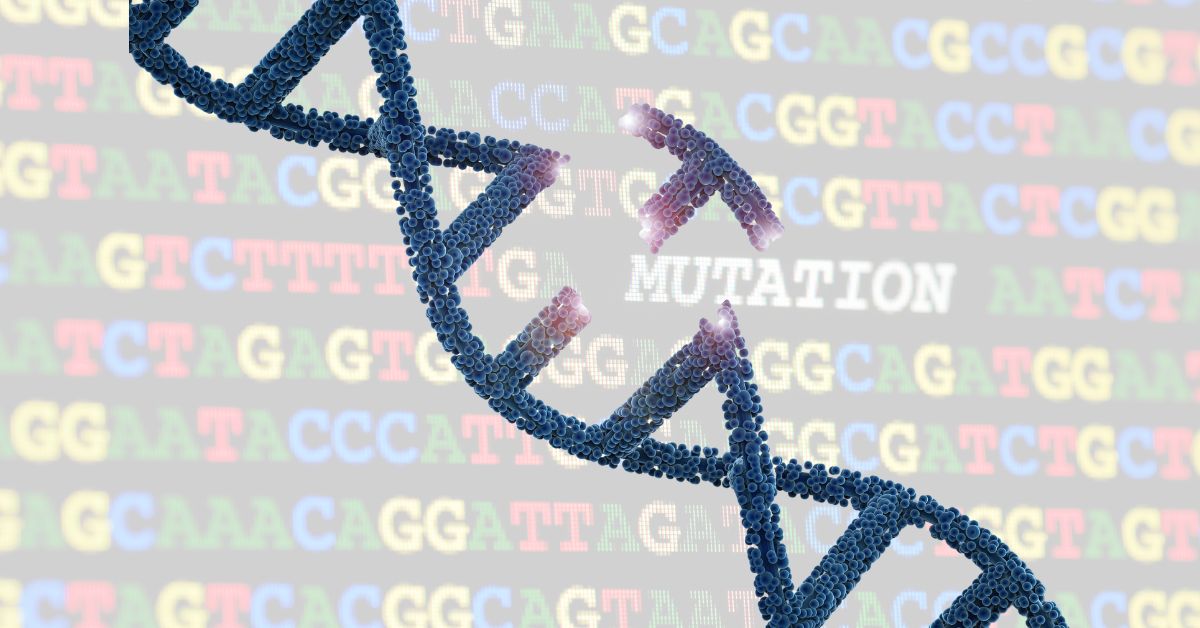
Genetic testing for cancer is becoming an important tool in modern preventive healthcare. It enables early detection and personalised interventions for patients and their families. The National Cancer Centre Singapore (NCCS) provides detailed guidance for general practitioners (GPs) as they play a vital role in identifying patients who may benefit from such testing. This article summarises NCCS’s guidelines for helping GPs recognise red flags for hereditary cancer and refer for genetic assessment as appropriate.
Genetic Testing For Cancer
Genetic testing is carried out to identify inherited genetic mutations that may increase a person’s risk of developing specific cancers. It is a valuable tool for diagnosing hereditary cancer syndromes. Furthermore, it informs treatment as well as preventive measures. Testing can be for single or multigene panels, depending on the patient’s personal and family history.
Genetic testing should always be accompanied by pre- and post-test genetic counselling to ensure that patients understand the results and their implications. They should also be guided on their follow-up options.
Role Of General Practitioners
GPs often have long-standing, trusted relationships with patients and are well-positioned to identify those at risk. NCCS recommends that GPs consider a referral for genetic testing in patients who meet any of the following criteria:
- Strong family history of cancer
- Early-onset cancers (diagnosed under age 60)
- Rare tumours or conditions linked to cancer syndromes
- Multiple primary cancers
- Family members already diagnosed with a hereditary cancer mutation
Clinical guidelines such as those from the National Comprehensive Cancer Network (NCCN) and eviQ should be used to determine referral timing.
Benefits Of Genetic Testing For Cancer Risk
Identifying a germline pathogenic variant can significantly change a patient’s management. It offers options for targeted therapy, prophylactic surgery, and enhanced surveillance. Moreover, cascade testing for family members can help to identify people who are at risk, or provide reassurance for those who are not carriers and reduce unnecessary screening.
A patient story shared by NCCS illustrates this: a woman with breast cancer and a family history of colon cancer was diagnosed with Lynch Syndrome (LS) through genetic testing. Her diagnosis enabled targeted preventive care not only for herself but also for her brother, who later tested positive and avoided a potential colon cancer diagnosis through early detection.
Cancer Genetics Service (CGS)
The CGS at NCCS provides a comprehensive suite of services including genetic counselling, testing, clinical management, research, and professional education. It serves as a national hub for hereditary cancer care and genomic medicine, contributing to precision medicine efforts in Singapore.
CGS also conducts outreach through campaigns like “Living with Lynch Syndrome” and offers training for healthcare professionals across the region.
How To Refer A Patient
GPs looking to refer patients to CGS can contact:
- Tel: 6436 8000 / 6436 8288
- Email: [email protected]
- NCCS Cancer Genetics Service Website
Key Highlights
- GPs play a crucial role in identifying patients at risk for hereditary cancers.
- Genetic counselling is essential to support informed decision-making before and after testing.
- Family cascade testing enhances early detection and cancer prevention for relatives.
- NCCS’ Cancer Genetics Service offers holistic care, research, and education in genomic medicine.
- Clinical guidelines such as NCCN and eviQ should be consulted when considering referrals.
Contact Us
For healthcare professionals – for business opportunities:
- MCNAsia – Preferred Doctor, SEO, Website Development, Influencer Marketing, and RED (Xiaohongshu) Marketing
For non-healthcare professionals seeking an appointment for cancer-risk assessment, contact us for assistance via the button below
Contact UsAll content on this site is informative only and is not intended to be a substitute for professional medical advice, diagnosis, or treatment, and should never be relied upon for specific medical advice. If you are experiencing a medical emergency, call 995 immediately or go to the nearest Accident & Emergency department.
health365.sg is a member of Group 365Asia.