


Stem cell therapy represents one of the most promising frontiers in modern medicine, offering potential treatments for conditions previously deemed incurable. This article explores the fundamental science behind stem cells, examines the main types of treatments available globally, and provides a detailed overview of the specific therapies approved in Singapore.
Want To Consult A Doctor On Stem Cell Treatment?
Contact UsWhat Are Stem Cells?
Stem cells are the body’s fundamental master cells, serving as the foundation from which all other specialised cells with specific functions are generated. These unique cells possess two critical properties:
- Self-Renewal: They can self-renew through cell division to create more stem cells, and
- Differentiation: They can differentiate into various specialised cell types such as blood cells, nerve cells, or heart muscle cells when placed in the right environment.
This remarkable dual capability makes stem cells essential for both embryonic development and the body’s ongoing maintenance and repair processes throughout life. Depending on their source and developmental potential, stem cells are categorised into several types, each with different capabilities and research applications.
What Are The Types Of Stem Cells?
Embryonic Stem Cells
Embryonic stem cells are derived from early-stage embryos (3-5 days old). They are pluripotent cells, meaning they can develop into any cell type found in the human body. This gives them tremendous research potential, but their use involves ethical considerations regarding embryo destruction.
Adult Stem Cells
Adult stem cells are found in various tissues throughout the body. These multipotent cells are more specialised and typically generate cell types specific to their tissue of residence. Examples include hematopoietic stem cells in bone marrow that produce blood cells, and mesenchymal stem cells that can form bone, cartilage, and fat cells.
Induced Pluripotent Stem Cells
Induced Pluripotent Stem Cells (iPSCs) are created in laboratories by genetically reprogramming regular adult cells (such as skin cells) to return to an embryonic-like pluripotent state. This breakthrough technology offers the versatility of embryonic stem cells without their associated ethical concerns.
What Are The Main Types Of Stem Cell Therapy?
Stem cell therapies harness these unique cells to replace, repair, or regenerate damaged tissues. The field has expanded significantly beyond traditional bone marrow transplants to include innovative approaches for various medical conditions.
Transplant-Based Stem Cell Treatments
At its core, transplant-based stem cell therapy involves the administration of stem cells to replace or regenerate a patient’s damaged, diseased, or deficient cells. This broad category encompasses several advanced medical procedures where cells are the primary therapeutic agent. The cells used can be autologous (harvested from the patient themselves) or allogeneic (sourced from a donor). The fundamental principle is to introduce healthy, functional cells into the body to restore tissue function, a process that can be life-saving or significantly quality-of-life-enhancing. The following are key examples of this approach.
Hematopoietic Stem Cell Transplantation
This is the most established and widely performed stem cell transplant procedure. It involves collecting hematopoietic stem cells—the precursors to all blood cells—primarily from bone marrow, peripheral blood, or umbilical cord blood. The treatment is a cornerstone for managing various conditions. For blood cancers like leukaemia and lymphoma, patients first undergo high-dose chemotherapy or radiation to destroy the cancerous cells, a process that also eliminates their existing bone marrow and immune system. The collected stem cells are then infused back into the patient’s bloodstream, where they migrate to the bone marrow cavities and begin producing healthy new blood cells, effectively rescuing the patient from the effects of the aggressive therapy.
In the context of severe autoimmune diseases like multiple sclerosis, the approach is adapted to “reboot” the immune system. In an autologous transplant, the patient’s own stem cells are collected. They then receive chemotherapy to eliminate their malfunctioning immune cells that are attacking the body’s own tissues. The stored stem cells are subsequently reinfused, generating a new, properly functioning immune system.
Ex Vivo Expanded Autologous Human Corneal Epithelial Cells
This highly specialised treatment addresses moderate to severe limbal stem cell deficiency, a condition often resulting from chemical burns to the eye that can lead to blindness. The limbus, which houses the stem cells essential for corneal renewal, becomes damaged. In this procedure, a small biopsy of healthy limbal stem cells is taken from the patient’s own unaffected eye. These cells are then sent to a laboratory where they are expanded ex vivo (outside the body) on a scaffold to create a larger population of corneal epithelial cells. This newly formed sheet of cells is then surgically transplanted onto the damaged eye’s surface, where it can regenerate a clear, healthy cornea and potentially restore vision.
Autologous Chondrocytes For Cartilage Defects
This therapy is designed to repair symptomatic articular cartilage defects in joints like the knee, which have a poor natural capacity for healing. The process is conducted in two stages. First, in an initial arthroscopic procedure, a small sample of healthy cartilage is harvested from a non-weight-bearing area of the patient’s knee. The chondrocytes (cartilage cells) are then isolated and cultured in a laboratory for several weeks, where they multiply into millions of cells. In a second surgical procedure, the cultured autologous chondrocytes are implanted into the prepared cartilage defect in the knee. Once in place, these cells can facilitate the growth of new, stable cartilage tissue to resurface the joint.
Our Preferred Doctors (Orthopaedic Surgeon) For Autologous Chondrocyte Implantation

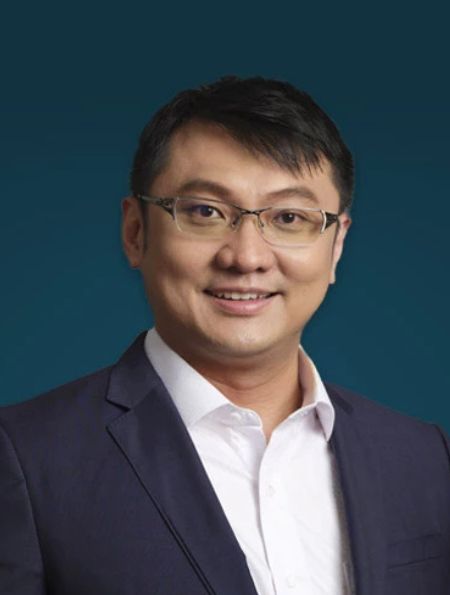



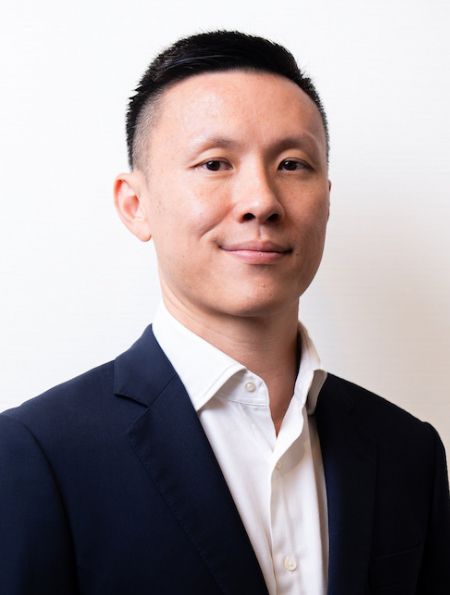
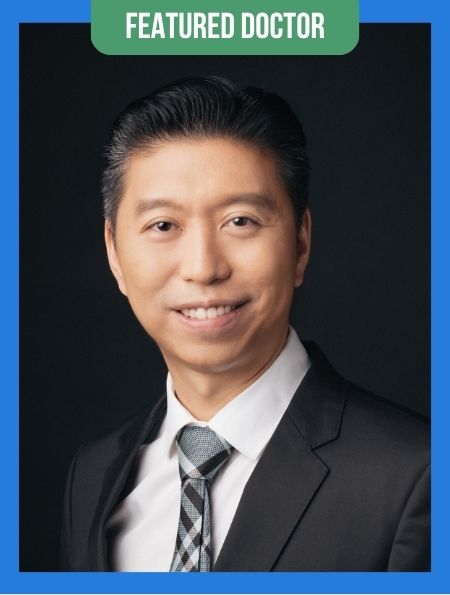
[SG] Featured Doctor- Dr Kevin Koo
Cultured Skin Grafts For Severe Burns
For patients with extensive, life-threatening burns where there is insufficient unaffected skin for traditional grafts, this technology offers a solution. A small patch of the patient’s healthy skin is taken, and the skin cells, including stem cells responsible for epidermal regeneration, are isolated. These cells are then cultured and expanded in a laboratory to create thin sheets of new skin. These cultured epidermal autografts can be transplanted to cover large burn areas, providing a permanent skin cover that is genetically identical to the patient, thus avoiding immune rejection. This life-saving application is one of the earliest successful uses of ex vivo stem cell expansion.
Regenerative Treatment Using Mesenchymal Stem Cells (MSCs)
How It Works: Mesenchymal stem cells are a type of adult stem cell. They are found in bone marrow, adipose tissue, and other sources, and can differentiate into bone, cartilage, and fat cells. Researchers are exploring MSCs for treating degenerative conditions like osteoarthritis, cartilage defects, and even graft-versus-host disease. These cells can be administered directly to injured sites, where they may promote repair through multiple mechanisms: reducing inflammation, recruiting other beneficial cells, inhibiting cell death, and directly differentiating into needed tissue types. Unlike hematopoietic transplants, MSC therapies typically do not require aggressive conditioning chemotherapy.
Cell Modifications
How It Works: This advanced approach involves genetically engineering a patient’s own cells to enhance their therapeutic potential. In CAR-T cell therapy, T-cells (a type of immune cell) are collected from the patient and genetically modified in the laboratory to express chimeric antigen receptors (CARs) that target specific cancer cells. These enhanced cells are multiplied and infused back into the patient, where they seek out and destroy the targeted cancer cells more effectively.
Another innovative approach is induced Pluripotent Stem Cell (iPSC) therapy, where a patient’s adult cells are reprogrammed into stem cells, which can then be guided to become specific cell types needed for treatment. Potentially, even entire organs may be regenerated in the future.
What Are The Concerns Regarding Stem Cell Therapy?
Despite its transformative potential, the field of stem cell therapy is accompanied by significant scientific, ethical, and safety concerns. A thorough understanding of these challenges is crucial for both medical professionals and patients considering such treatments. The overarching issues can be categorised into ethical dilemmas, safety and efficacy risks, and regulatory challenges.
Ethical And Moral Dilemmas
The ethical debate primarily revolves around the source of the stem cells.
- Embryonic Stem Cell Controversy: The use of Embryonic Stem Cells necessitates the destruction of a human embryo, typically four to five days old. This practice raises profound moral and religious questions for individuals who believe that life begins at conception and that an embryo warrants the same moral status as a person. This ongoing debate has significantly influenced research funding and legal frameworks worldwide, pushing science towards alternative sources.
- Informed Consent: A critical ethical requirement, particularly for donations from umbilical cord blood or tissue, is obtaining proper informed consent. Donors must fully understand how the biological materials will be used, stored, and whether they might be used for commercial purposes or research beyond the initial scope.
Safety And Efficacy Risks
The very properties that make stem cells promising—their capacity to self-renew and differentiate—also present substantial safety risks.
- Tumourigenicity: This is one of the most serious risks, particularly with pluripotent stem cells like ESCs and iPSCs. If any undifferentiated cells remain after transplantation, their uncontrolled proliferation can lead to teratoma formation—a type of tumour containing several different tissue types. Ensuring that all transplanted cells have fully and correctly matured into the target cell type remains a major technical hurdle.
- Immunological Rejection: While using a patient’s own autologous cells minimises this risk, allogeneic transplants (from a donor) can still provoke an immune response, leading to the rejection of the transplanted cells. Conversely, in certain allogeneic transplants, the infused cells can attack the patient’s body, a potentially life-threatening condition called Graft-versus-Host Disease.
- Improper Migration and Integration: There is a risk that administered stem cells may not migrate to the intended site of injury or may integrate incorrectly into the existing tissue architecture. This could lead to malfunction; for example, cells intended to repair heart muscle might inadvertently cause abnormal electrical activity, triggering arrhythmias.
- Unknown Long-Term Effects: As a relatively young field, the long-term consequences of many stem cell therapies are simply unknown. How will these cells behave over decades within the human body? The potential for unforeseen complications necessitates long-term patient monitoring and post-market surveillance for approved products.
Stem Cell Treatment In Singapore
Singapore has established a carefully regulated framework for stem cell therapies, approving only those treatments with demonstrated safety, clinical and cost-effectiveness while maintaining strict oversight of experimental procedures.
Regulatory Framework And Oversight
Singapore employs a multi-agency regulatory system to ensure the safe and ethical application of stem cell therapies:
- Ministry of Health (MOH): Licenses clinics, approves research, and sets ethical boundaries for stem cell treatments.
- Health Sciences Authority (HSA): Reviews and approves stem cell products, regulates clinical trials, and enforces bans on misleading “stem cell” products or supplements.
- Professional Boards: Organisations like the Singapore Medical Council ensure doctors follow ethical codes and do not misuse experimental treatments.
Approved Stem Cell Treatments In Singapore
The Ministry of Health (MOH) provides subsidies for specific Cell, Tissue, and Gene Therapy Products (CTGTPs) that have been rigorously assessed. The currently (Nov 2025) approved treatments include:
- Hematopoietic stem cell transplantation.
- Autologous chondrocytes for symptomatic articular cartilage defects of the knee.
- Ex vivo expanded autologous human skin epithelial cells containing stem cells for severe burns or complex life-threatening wounds
- Ex vivo expanded autologous human corneal epithelial cells containing stem cells for moderate to severe limbal stem cell deficiency after eye burns
Our Preferred Doctors (Orthopaedic Surgeon) For Autologous Chondrocyte Implantation
[SG] Featured Doctor- Dr Kevin Koo
Treatments Considered Experimental Or Not Approved
Most other stem cell therapies are not approved for general medical use in Singapore, including:
- Anti-aging or cosmetic stem cell treatments
- Joint pain or arthritis stem cell injections (unless part of an approved clinical trial)
- Neurological conditions like autism, Alzheimer’s, or stroke recovery
- Injections of mesenchymal stem cells from fat or bone marrow for unapproved indications
Most stem cell therapies remain investigational due to insufficient consistent clinical and cost-effectiveness data. This cautious approach aims to protect citizens from unproven treatments while supporting legitimate research through proper channels.
Doctors in Singapore are prohibited from offering unapproved stem cell therapies as routine treatments. They can only administer such treatments in two specific circumstances: as part of government-approved clinical trials, or in rare, last-resort cases under special MOH oversight.
The Future Of Stem Cell Therapy
Research continues to advance the field of regenerative medicine, with several promising areas under investigation:
- Three-Dimensional Cell Technology: Creating more complex tissue structures and organoids that better mimic human physiology.
- Automation in Stem Cell Manufacturing: Using robotic technology to grow stem cells more efficiently, reducing human error and increasing manufacturing volumes.
- Personalised Stem Cell Therapies: Developing treatments tailored to individual patients’ genetic makeup and specific medical needs.
- Disease Modelling and Drug Testing: Using stem cells to create in vitro models of human diseases and test drug safety and efficacy.
Afterword: Stem Cell Treatments In Southeast Asia
Stem cell therapy represents a revolutionary approach to treating numerous diseases and injuries that were previously considered untreatable. While the field holds tremendous promise, local regulations are aimed at ensuring patients seek treatments through properly regulated channels with proven safety and efficacy profiles.
Stem cell regulation in other countries in the region (e.g. Thailand) may not be as stringent as those in Singapore, and more types of stem cell treatments may be offered by clinics there. Patients looking for options not available in Singapore may consider them, but should do so with caution and at their own risk.
Need An Appointment With A Doctor To Explore Stem Cell Therapy?
Contact UsAll content on this site is informative only and is not intended to be a substitute for professional medical advice, diagnosis, or treatment, and should never be relied upon for specific medical advice. If you are experiencing a medical emergency, call 995 immediately or go to the nearest Accident & Emergency department.
health365.sg is a member of Group 365Asia.