

Bariatric Surgery Singapore -The Big Story

Weight Loss Surgery Singapore: Cutting Your Weight
Maintaining a healthy body mass index is vital for long-term physical well-being. When traditional methods such as diet and exercise do not yield results, weight loss surgery—also known as bariatric surgery—is often the most effective intervention. In Singapore, where lifestyle factors and an ageing population have led to a rise in metabolic conditions, understanding the options for weight loss surgery is a critical component of modern healthcare. In This Big Story, we focus on what weight loss surgery is, who is it for, and the options for weight loss surgery.
Who Is Weight Loss Surgery For?
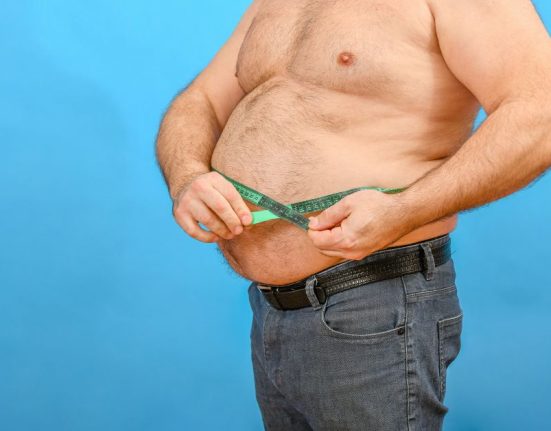
Bariatric conditions are often progressive and can lead to severe health complications. Recognising the criteria for medical intervention is vital. If you experience any of the following, you should consult a metabolic specialist:
- A Body Mass Index (BMI) Over Thirty-Two Point Five: For individuals of Asian descent, a BMI of 32.5 or higher is a primary indicator for surgery.
- Obesity-Related Health Issues: The presence of Type 2 Diabetes, hypertension, or severe obstructive sleep apnoea.
- Unsuccessful Weight Management: A history of being unable to achieve sustained weight loss through non-surgical means.
- Joint Pain and Limited Mobility: Chronic pain in the knees or back caused by excessive weight that prevents regular physical activity.
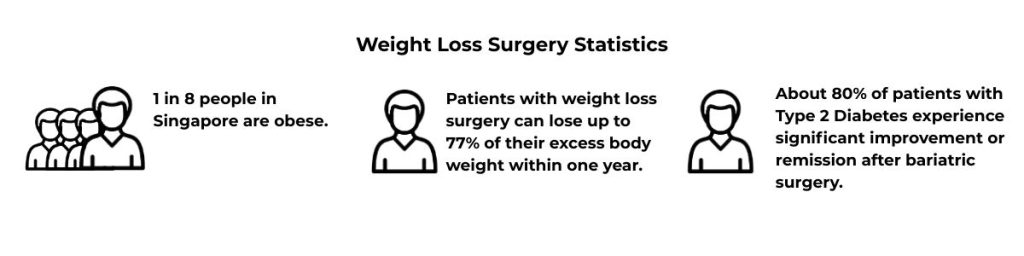
Weight Loss Surgery Statistics In Singapore
Singapore faces significant challenges regarding metabolic health. Here are five significant statistics regarding weight loss and obesity:
- According to the Ministry of Health’s 2024 National Population Health Survey: About one in eight Singapore residents aged 18 to 74 years were obese in 2023-2024. Also, obesity was slightly more common among males (13.1%) than females
(12.3%) - According to the American Society for Metabolic & Bariatric Society, patients who undergo weight loss surgery can lose up to 60-77% of their excess body weight within one year.
- Studies also show that about 80% of patients with Type 2 Diabetes experience significant improvement or complete remission following bariatric surgery.
- Success rates for laparoscopic bariatric procedures in Singapore are high, with a safety profile comparable to common surgeries such as gallbladder removal.
What Are The Common Types Of Weight Loss Surgery And How Do They Work?
Weight loss surgery does not have a single approach. Rather, it is tailored to the specific metabolic needs and health profile of the patient. Two common types of weight loss surgery are gastric sleeve surgery and gastric bypass surgery.
Common Features Of Gastric Sleeve Surgery
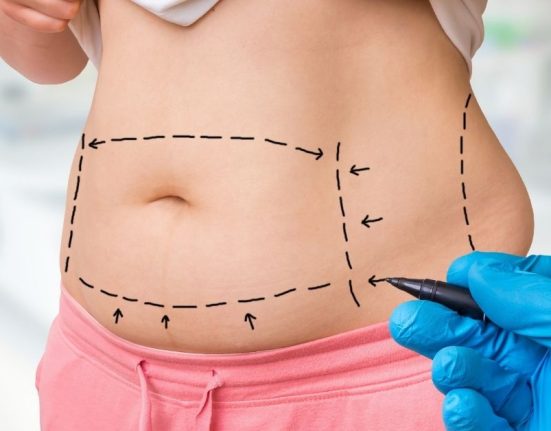
Gastric sleeve surgery typically involves a keyhole approach to reshape the digestive tract.
- Stomach Reduction: Approximately 75 to 80 per cent of the stomach is removed, leaving a narrow tube or “sleeve”.
- Hormonal Changes: By removing the portion of the stomach that produces Ghrelin (the hunger hormone), patients feel less inclined to eat.
Common Features Of Gastric Bypass Surgery
This procedure is often recommended for patients with severe acid reflux or advanced diabetes.
- Rerouting Digestion: The surgeon creates a small pouch and joins it to the middle of the small intestine.
- Malabsorption: Because the food skips part of the small intestine, fewer calories and fats are absorbed by the body.
Learn More About Weight Loss Surgery
Find The Best Weight Loss Surgeon In Singapore
When it comes to your metabolic health, you naturally would like to find the best bariatric surgeon in Singapore. Identifying a qualified specialist involves looking for extensive experience in laparoscopic or robotic techniques and a comprehensive post-surgery support team. Find out more from our Guide To Finding The Best Weight Loss Surgeon In Singapore.
Comment: The row below to be moved to article for healthcare professionals article
Find A Doctor
Verified Healthcare Professionals
We connect you with a network of qualified and experienced doctors who specialise in chronic health conditions, health screening, and longevity.
Trusted Information Source
We pride ourselves on providing accurate, up-to-date, and evidence-based information about each disease, its prevention, and treatment.
Privacy and Security
Your health information and personal data are paramount to us. We will protect your privacy throughout the booking process and beyond.
Convenience at Your Fingertips
Our user-friendly platform allows you to find and book appointments 24/7 from the comfort of your home.
Our Preferred Doctor You Can Consider For Bariatric Surgery
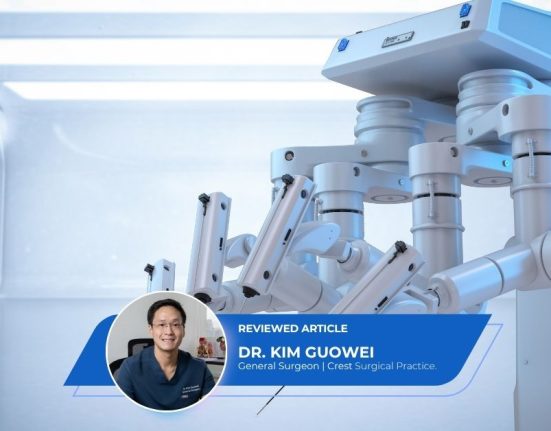
Dr Kim Guowei is a highly skilled upper gastrointestinal, bariatric and robotic surgeon known for his expertise in robotics and advanced endoscopic techniques. He offers comprehensive care for complex digestive disorders, from traditional open surgery to minimally invasive procedures.

Powered by Find by 365Asia

Dr Kim Guowei
Singapore, Singapore
General Surgery, General Surgery (Stomach), General Surgery (Hernia)

[SG] Featured Doctor- Dr Kevin Koo
Orthopaedic Surgeon In Singapore
Using robotic technology provides us with a high-definition, 3D view and unmatched precision that significantly enhances the safety and accuracy of weight-loss surgery. It’s a game-changer for our patients, typically resulting in less discomfort and a quicker recovery as they begin their journey toward a healthier life. We generally consider these procedures for individuals whose health is significantly impacted by their weight and who have not found lasting success through traditional lifestyle changes alone.While newer weight-loss medications are a powerful tool for many, surgery remains the gold standard for achieving the most significant and durable results in severe cases, and we often use both in tandem to ensure long-term success.
Dr Kim Guowei, General Surgeon
Book An Appointment
Take a proactive step for your health and peace of mind today. If you need to see a doctor about bariatric surgery, our team is here to assist.
Financials
[findDoctor category="financial consultants" countries="Singapore" " limit="15"]
Related Content

FAQs - Test Your Knowledge About Weight Loss Surgery
Most procedures, such as the gastric sleeve, are permanent because a portion of the stomach is removed. However, gastric bypass can technically be reversed in rare medical emergencies, though it is intended to be a lifelong change.
Most patients in Singapore return to sedentary office work within one to two weeks. Physical activities and heavy lifting should be avoided for at least four to six weeks to ensure proper internal healing.
In many cases, if the surgery is deemed medically necessary (for example, to treat severe diabetes or life-threatening obesity), private integrated shield plans or corporate insurance may provide coverage. It is essential to check your specific policy.
Additional Resources
- Obesity & Weight Loss Surgery | Crest Surgical Practice
- Obesity & Weight Loss In Singapore | Health365
- Advancements in Robotic Surgery: A Comprehensive Overview of Current Utilizations and Upcoming Frontiers | National Library Of Medicine
- Weight Loss Surgery: Pros and Cons | SingHealth
- Head-to-head Study Shows Bariatric Surgery Superior to GLP-1 Drugs for Weight Loss | American Society For Metabolic & Bariatric Surgery
.