

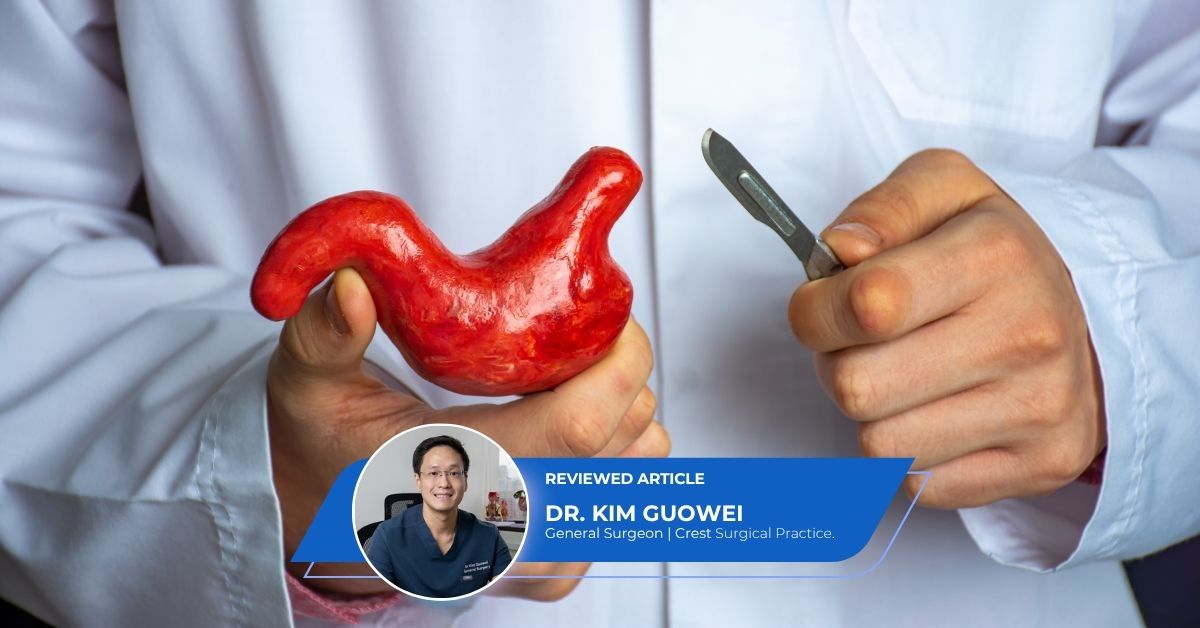
Bariatric Surgery Singapore – Bariatric procedures are an important option for people struggling with severe obesity and its related health conditions. These operations are designed to support long-term weight management when lifestyle measures or medications alone have not been effective. This guide explains what bariatric surgery involves, who may be suitable for it, what the risks are, and what patients can expect before and after the procedure.
Get An Appointment With A Surgeon To Explore Bariatric Surgery
Contact UsBack To: Keyhole Surgery And Other Surgical Treatments In Singapore Main Page
What Is Bariatric Surgery?
Bariatric surgery refers to a group of medically supervised operations that help individuals lose weight by altering the digestive system. The most common procedures in Singapore include sleeve gastrectomy and gastric bypass. These operations either reduce the size of the stomach or change the way food is absorbed. By limiting food intake and supporting better metabolic control, they can help with meaningful and sustainable weight reduction.
Bariatric surgery is not a cosmetic procedure. Instead, it is part of a structured medical programme that involves nutritional guidance, psychological support, and long-term follow-up. For many patients, the improvements extend beyond weight loss, with many experiencing better control or even resolution of obesity related conditions like diabetes, high blood pressure, and sleep apnoea.
Who Is Bariatric Surgery For?
In Singapore, bariatric surgery is generally considered for individuals who meet medical criteria such as:
- A body mass index (BMI) of 37.5 or higher
- A BMI of 32.5 or higher with obesity-related conditions such as Type 2 diabetes, hypertension, or fatty liver disease
- Difficulty achieving weight loss through supervised diet and exercise programmes
- A willingness to commit to long-term lifestyle changes
Doctors typically assess a patient’s overall health, psychological readiness, and any medical conditions that may influence the procedure’s safety or effectiveness. A multidisciplinary team—including surgeons, dietitians, and sometimes endocrinologists—works together to determine suitability.
Risks And Considerations
While bariatric surgery is generally safe when performed by an experienced team, all operations carry risks. Potential complications may include infection, bleeding, leakage from staple lines, or adverse reactions to anaesthesia. Some patients may also experience nutritional deficiencies after surgery if supplements are not taken consistently.
Long-term risks can include changes in bowel habits, acid reflux, or inadequate weight loss if lifestyle adjustments are not maintained. These are usually manageable with regular follow-up and adherence to dietary guidance. It is important for patients to discuss all potential risks and benefits with their healthcare provider to make an informed decision.
Preparing For Bariatric Surgery
Preparation is a key component of any Bariatric Surgery Singapore programme. Before the operation, patients typically undergo:
1. Medical Evaluation
A detailed assessment of medical history, blood tests, imaging, and an endoscopy helps determine whether the patient is fit for surgery.
2. Nutritional And Lifestyle Counselling
Dietitians guide patients on adopting healthier eating patterns, understanding portion control, and preparing for the smaller stomach capacity after surgery.
3. Pre-Surgery Weight Management
Some patients may be advised to lose a small amount of weight before the operation to reduce liver size and improve surgical safety.
4. Psychological Readiness
Counselling helps ensure that patients have realistic expectations and are mentally prepared for the changes ahead.
These steps support smoother surgery and better long-term outcomes.
What To Expect During Recovery
After bariatric surgery, most patients stay in hospital for one to three days, depending on the procedure and individual recovery. Pain is usually manageable with medication, and patients are encouraged to move around early to reduce the risk of blood clots.
In the first few weeks, the diet progresses gradually:
- Liquids
- Pureed foods
- Soft foods
- Gradual reintroduction of regular textures
Patients are also advised to take vitamin and mineral supplements to prevent deficiencies. Follow-up appointments are an essential part of care, allowing healthcare providers to monitor healing, support weight-loss progress, and adjust dietary plans where necessary.
Lifestyle Changes After Surgery
Successful long-term results depend on consistent lifestyle changes. Key adjustments include:
- Eating smaller, more frequent meals
- Choosing nutrient-dense foods
- Avoiding sugary and high-fat items that may cause discomfort
- Staying hydrated throughout the day
- Engaging in regular physical activity
- Attending scheduled follow-up visits for nutritional and medical monitoring
These habits help maintain weight loss and support improvements in overall health.
Frequently Asked Questions (FAQs)
Weight loss varies, but many individuals lose a significant percentage of their excess weight within the first year with superior results to lifestyle changes or weight loss medications. Results depend on the type of surgery, individual metabolism, and adherence to lifestyle changes.
Most bariatric procedures are designed to be permanent. However, some, such as gastric bypass, are reversible. Your surgeon will discuss which options are most suitable for your situation.
Vitamin and mineral supplements are usually required in the short-term to prevent or correct exisiting deficiencies. Regular blood tests help ensure that levels remain within the recommended range. In some patients, long-term supplements may be required.
Our Preferred Doctors (Bariatric Surgeon)
If you are looking for a bariatric surgeon in Singapore, you can consider our Preferred Doctors:
- Dr Kim Guowei is a highly skilled upper gastrointestinal, bariatric and robotic surgeon known for his expertise in robotics and advanced endoscopic techniques. He offers comprehensive care for complex digestive disorders, from traditional open surgery to minimally invasive procedures.


Dr Kim Guowei

[SG] Featured Doctor- Dr Kevin Koo
Get An Appointment With A Surgeon
Trained bariatric surgeons in Singapore can offer a structured and medically guided approach to managing severe obesity. With proper preparation, realistic expectations, and ongoing commitment to lifestyle changes, many patients achieve meaningful improvements in health and quality of life. If you would like to explore this option with a surgeon, contact us via the button below.
Contact UsBack To: Keyhole Surgery And Other Surgical Treatments In Singapore Main Page
This medical content has been reviewed by Dr Kim Guowei, a highly skilled upper gastrointestinal, bariatric and robotic surgeon known for his expertise in robotics and advanced endoscopic techniques. He offers comprehensive care for complex digestive disorders, from traditional open surgery to minimally invasive procedures.
All content on this site is informative only and is not intended to be a substitute for professional medical advice, diagnosis, or treatment, and should never be relied upon for specific medical advice. If you are experiencing a medical emergency, call 995 immediately or go to the nearest Accident & Emergency department.
health365.sg is a member of Group 365Asia.