


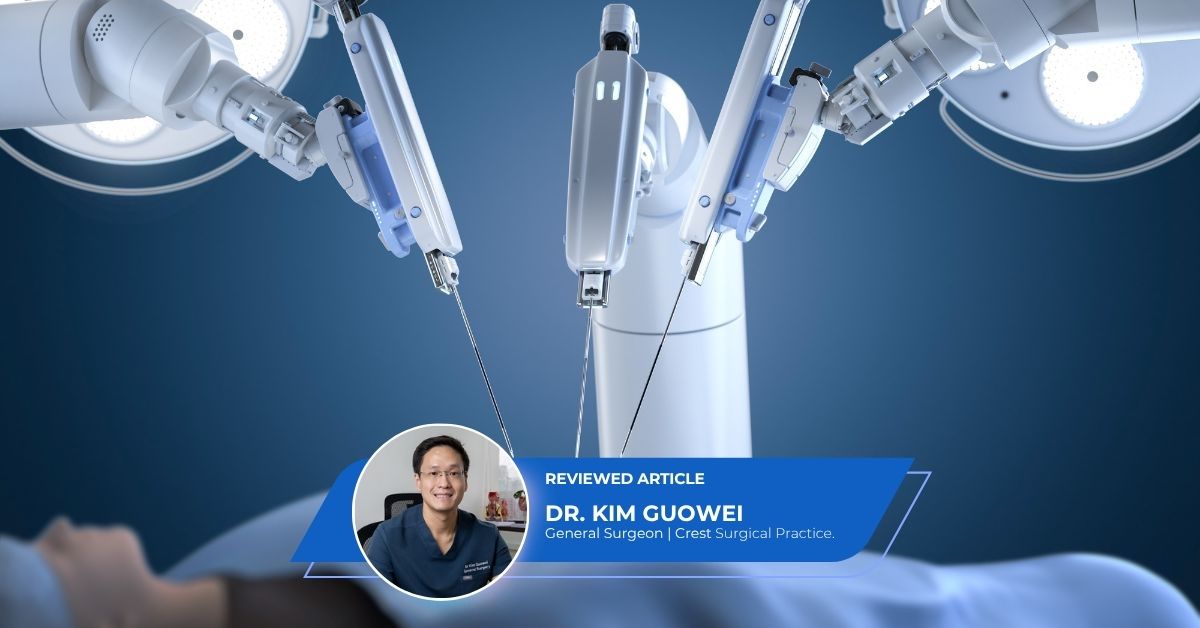
Robotic Bariatric Surgery Singapore – Robotic bariatric surgery offers patients weight-loss treatment with enhanced precision and stability during surgery. As more people explore long-term options for managing severe obesity, interest in robotic techniques has grown steadily. This approach brings together established bariatric procedures and advanced surgical technology to support safe, consistent, and effective outcomes. This guide explains how robotic-assisted bariatric surgery works, who may benefit, and what patients can expect throughout the treatment journey.
Get An Appointment With A Stomach Surgeon
Contact UsBack To: Stomach Cancer & Other Conditions Main Page
Understanding Robotic-Assisted Bariatric Surgery
Robotic bariatric surgery uses a specialised robotic surgical platform to assist the surgeon during procedures such as sleeve gastrectomy and gastric bypass. Although the system is known as “robotic”, it does not operate independently. The surgeon remains in full control, guiding the robotic arms from a console equipped with magnified, high-definition 3D visualisation.
The system’s instruments can rotate with more flexibility than the human hand or conventional laparoscopic instruments, allowing extremely precise movements. This degree of control is valuable in bariatric surgery, where delicate tissue handling and accurate stapling are essential for patient safety and long-term effectiveness.
Watch Video Interview: Dr Kim Guowei explains robotic stomach and bariatric surgery and dispels a common misconception patients often have about it.
Advantages Of Robotic Bariatric Surgery
Robotic Bariatric Surgery in Singapore offers several benefits compared with traditional laparoscopic techniques:
1. Enhanced Precision
The robotic instruments filter out natural hand tremors and enable steady, controlled movements. This allows accurate suturing, dissection, and stapling, all of which are important in operations involving the stomach.
2. Superior Visualisation
The 3D, high-definition view provides detailed visibility of tissues and structures, improving safety and consistency during complex steps of surgery.
3. Improved Access For Challenging Anatomy
Patients with higher BMI ranges or previous abdominal surgery may benefit from the extended range of movement offered by robotic arms. This allows surgeons to operate effectively even in tight or technically challenging spaces.
4. Potential For Smoother Recovery
The robotic approach uses small incisions typical of minimally invasive surgery. Many patients experience less post-operative discomfort and may resume daily activities more quickly.
These advantages have contributed to the growing use of robotic-assisted techniques in bariatric procedures across Singapore.
Who Is Suitable For Robotic Bariatric Surgery?
Robotic bariatric surgery may be considered for individuals who meet the usual medical criteria for weight-loss procedures, including:
- A body mass index (BMI) of 37.5 or more
- A BMI of 32.5 or more accompanied by obesity-related conditions such as Type 2 diabetes, hypertension, or fatty liver disease
- Difficulty achieving meaningful weight loss through medically supervised lifestyle measures
- A willingness to commit to long-term dietary changes and follow-up care
Robotic Bariatric Surgery Singapore is often well suited for patients with complex anatomy or previous abdominal operations, where enhanced precision can support better technical outcomes.
Risks And Safety Considerations
While robotic-assisted bariatric surgery offers many technical advantages, some risks remain. These may include bleeding, infection, leakage from staple lines, or reactions to anaesthesia. Long-term risks may involve nutritional deficiencies in some patients if supplements are not taken consistently.
The robotic system itself does not increase the inherent risks of the procedure. Instead, it is a tool that enhances surgical control and precision. Patients should ensure that they are under the care of an experienced bariatric surgeon trained in robotic techniques, and should follow all pre- and post-operative instructions to support safe recovery.
Preparing For Robotic-Assisted Bariatric Surgery
Preparation for Robotic Bariatric Surgery Singapore involves several structured steps:
1. Medical Assessment
A full evaluation—including blood tests, imaging, and endoscopy—helps determine fitness for surgery. Additional cardiac or endocrine assessments may be required for some patients.
2. Nutritional Counselling
Dietitians guide patients in adopting healthier eating habits, including portion control, prioritising protein intake, and avoiding foods that may cause discomfort after surgery.
3. Pre-Surgery Weight Management
Losing a small amount of weight before the operation can reduce liver size and improve surgical safety.
4. Psychological Readiness
Counselling helps ensure that patients have realistic expectations and understand the long-term lifestyle changes required.
These preparations help support safe surgery and better long-term results.
Recovery After Robotic Bariatric Surgery
Most patients stay in hospital for one to three days after the operation. One of the benefits of robotic-assisted surgery is the potential for a smoother recovery due to the stability and precision of the surgical system.
Early movement is encouraged to reduce the risk of blood clots. Discomfort is typically manageable with prescribed medication. Patients gradually progress through dietary phases:
- Liquid diet
- Pureed food
- Soft food
- Slow reintroduction of regular textures
Vitamin and mineral supplements are essential to prevent deficiencies. Follow-up appointments allow the clinical team to track recovery, adjust nutritional plans, and monitor weight-loss progress.
Lifestyle Adjustments For Long-Term Success
Successful outcomes after Robotic Bariatric Surgery Singapore depend on maintaining healthy habits. Key changes include:
- Eating smaller, nutrient-rich meals
- Staying hydrated throughout the day
- Avoiding high-sugar and high-fat foods
- Engaging in regular physical activity
- Attending scheduled follow-up appointments
These lifestyle commitments help maintain weight loss and support improvements in metabolic health.
Frequently Asked Questions (FAQs)
Robotic-assisted surgery provides enhanced precision, stability, and three-dimensional visualisation, allowing finer control during complex steps of bariatric operations.
Individual experiences vary, but the improved control and stability of robotic instruments may support smoother healing and reduced post-operative discomfort.
Many common procedures, such as sleeve gastrectomy and gastric bypass, can be performed with robotic assistance. Suitability depends on the patient’s medical condition and the surgeon’s assessment.
Get An Appointment With A Surgeon For Robotic Surgery
Robotic bariatric surgery represents a modern and precise approach to weight-loss treatment. With advanced technology supporting the surgeon’s expertise, patients can expect careful preparation, evidence-based care, and meaningful long-term improvement in health and quality of life. If you would like to explore robotic bariatric surgery with a surgeon – contact us via the button below.
Contact UsBack To: Stomach Cancer & Other Conditions Main Page
Watch Video Interview: Dr Kim Guowei explains robotic stomach and bariatric surgery and dispels a common misconception patients often have about it.
This medical content has been reviewed by Dr Kim Guowei, a highly skilled upper gastrointestinal, bariatric and robotic surgeon known for his expertise in robotics and advanced endoscopic techniques. He offers comprehensive care for complex digestive disorders, from traditional open surgery to minimally invasive procedures.
All content on this site is informative only and is not intended to be a substitute for professional medical advice, diagnosis, or treatment, and should never be relied upon for specific medical advice. If you are experiencing a medical emergency, call 995 immediately or go to the nearest Accident & Emergency department.
health365.sg is a member of Group 365Asia.