

Blood Pressure – The Big Story

Everything You Need To Know About Blood Pressure – The Big Story
Blood pressure is a fundamental metric of cardiovascular health, representing the force exerted by circulating blood against the walls of the body’s arteries. Maintaining blood pressure within a healthy range is essential for ensuring that vital organs receive the oxygen and nutrients they require to function effectively.
What Do Abnormal Blood Pressure Readings Mean For Your Health?
When your blood pressure is consistently too high (hypertension), it signifies that your heart is working harder than it should to pump blood. Over time, this excessive force damages the delicate tissues inside your arteries, significantly increasing the risk of life-threatening events such as heart attacks, strokes, and kidney failure.
Conversely, when blood pressure is too low (hypotension), the flow of blood may be insufficient to deliver enough oxygen to your brain and other vital organs. This can lead to symptoms like dizziness, fainting, or in severe cases, shock.
Both extremes serve as critical indicators that your cardiovascular system requires medical attention or lifestyle adjustments to regain its balance.
What Is Blood Pressure?
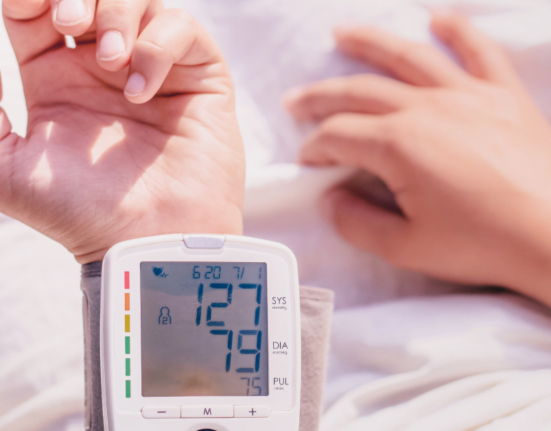
Blood pressure is recorded using two primary measurements: systolic and diastolic pressure. Systolic pressure (the higher number) measures the force when the heart beats and pushes blood through the arteries. Diastolic pressure (the lower number) measures the pressure in the arteries when the heart rests between beats. It is measured in millimetres of mercury (mm Hg).
What Is Considered Normal, High, Or Low Blood Pressure In Singapore?
In Singapore, the Ministry of Health and health promotion agencies categorise blood pressure readings for adults as follows:
- Normal: Less than 130/85 mm Hg.
- High-Normal (Pre-hypertension): Between 130/85 and 139/89 mm Hg.
- High Blood Pressure (Grade 1 Hypertension): 140/90 to 159/99 mm Hg.
- High Blood Pressure (Grade 2 Hypertension): 160/100 mm Hg or higher.
- Low Blood Pressure (Hypotension): Generally defined as a reading below 90/60 mm Hg.
It is important to note that a single high reading does not necessarily mean you have hypertension; doctors typically require two or more readings taken on separate occasions to confirm a diagnosis.
What Causes High Blood Pressure?
High blood pressure often develops over time and can be influenced by various factors. Primary causes and risk factors include:
- Lifestyle Factors: High salt intake, lack of physical activity, and excessive alcohol consumption.
- Medical Conditions: Kidney disease, adrenal gland disease, and obstructive sleep apnoea.
- Unmodifiable Factors: Increasing age and family history.
- Weight: Maintaining a healthy Body Mass Index (BMI) for Asians (18.5 to 22.9 kg/m²) is recommended to manage risk.
What Causes Low Blood Pressure?
Low blood pressure can be temporary or indicative of an underlying issue. Common causes include:
- Dehydration: A decrease in blood volume can lead to a drop in pressure.
- Heart Problems: Certain valve conditions or a very low heart rate.
- Endocrine Issues: Thyroid conditions or adrenal insufficiency.
While many cases of hypotension are benign, the exact trigger for chronic low blood pressure in otherwise healthy individuals is sometimes not fully identified without extensive clinical investigation.
How Is Blood Pressure Measured?
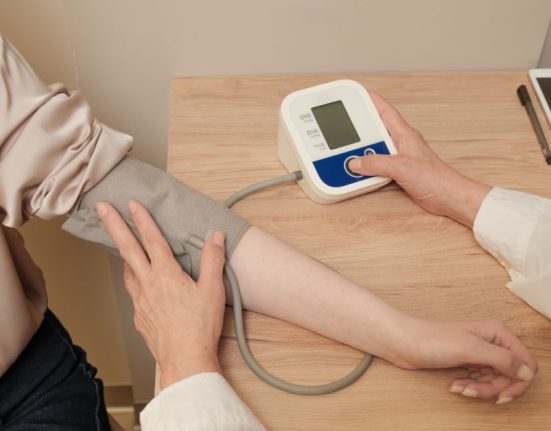
The most accurate method for routine measurement involves using a blood pressure cuff and a monitor while in a resting state. To ensure an accurate reading, you should sit quietly for at least three to five minutes, keep your feet flat on the floor, and ensure your arm is supported at heart level. You should avoid caffeine, alcohol, or smoking for 30 minutes before the measurement.
When Should You See A Cardiologist?
While a general practitioner can manage most blood pressure cases, you might need to see a cardiologist if:
- Your blood pressure remains high despite taking multiple medications (resistant hypertension).
- You experience symptoms such as chest pain, shortness of breath, or palpitations alongside abnormal readings.
- You have a history of heart disease or other cardiovascular complications.
- Your high blood pressure began at a very young age.
What Are The Possible Treatments For High / Low Blood Pressure?
Treatment strategies depend on whether the pressure is too high or too low. A specialist approach often involves integrating advanced diagnostics with personalised management plans.
Treatments For High Blood Pressure
Initial management focuses on lifestyle modifications such as the DASH diet (high in fruits and vegetables, low in sodium), regular exercise, and weight management. If these are insufficient, doctors may prescribe medications such as ACE inhibitors, calcium channel blockers, or diuretics.
n complex cases where high blood pressure is linked to underlying coronary issues, cardiologists may use advanced diagnostic tools such as Echocardiography, Holter monitoring, and Treadmill Stress ECGs to assess heart strain. For patients where hypertension has led to significant arterial blockages, interventional procedures like Coronary Angiography and Angioplasty (stenting) may be used to restore healthy blood flow.
For Low Blood Pressure
Treatment involves addressing the root cause, such as increasing fluid intake for dehydration or adjusting existing medications.
For persistent low blood pressure accompanied by giddiness or palpitations, cardiologists perform comprehensive heart screenings to rule out cardiac rhythm disorders or valvular heart disease, ensuring that the treatment plan targets the specific physiological trigger.
Monitor Your Blood Pressure On The Go
Interested in monitoring your blood pressure on the go? This article on smart watches that measure blood pressure may interest you.
Learn More About Blood Pressure And Heart Conditions
Comment: The row below to be moved to article for healthcare professionals article
Find A Doctor
Verified Healthcare Professionals
We connect you with a network of qualified and experienced doctors who specialise in chronic health conditions, health screening, and longevity.
Trusted Information Source
We pride ourselves on providing accurate, up-to-date, and evidence-based information about each disease, its prevention, and treatment.
Privacy and Security
Your health information and personal data are paramount to us. We will protect your privacy throughout the booking process and beyond.
Convenience at Your Fingertips
Our user-friendly platform allows you to find and book appointments 24/7 from the comfort of your home.
Our Preferred Doctors You Can Consider
- Dr Pinakin V Parekh is a highly respected cardiologist with over 25 years of clinical experience, specialising in the management of complex coronary artery disease and hypertension. His patient-centric approach and deep expertise in vascular health make him a trusted specialist for those seeking to diagnose and manage the underlying cardiovascular conditions. His authoritative background ensures that patients receive the highest standard of evidence-based care.
"Maintaining optimal blood pressure is a cornerstone of cardiovascular health. It often requires a personalised approach for the Asian population. By monitoring your readings and adopting proactive lifestyle changes, you can significantly reduce the risk of long-term heart complications. Seeking a formal clinical assessment early can help identify silent risks before they lead to serious heart conditions."
Dr Pinakin V Parekh



Book An Appointment
Take a proactive step for your health and peace of mind today. If you wish to get an appointment with a specialist, our team is here to assist.
Financials
[findDoctor category="financial consultants" countries="Singapore" " limit="15"]
Related Content




FAQs On Blood Pressure
Yes, stress and anxiety can cause temporary increases. This is sometimes observed in medical settings, a phenomenon known as “white coat hypertension.”
No, hypertension is often called a “silent killer” because it frequently presents no symptoms until serious complications like a stroke or heart attack occur.
A single low reading is often not concerning unless it is accompanied by symptoms like dizziness, fainting, or blurred vision.
For healthy adults above 40 years old, blood pressure should be measured regularly, at least once every two years if readings are normal.
For individuals with high-normal blood pressure, significant lifestyle and dietary changes can often return blood pressure to normal levels without the need for medication.
Additional Resources
- Mayo Clinic (US): Blood Pressure Chart: What Your Reading Means
- NHS (UK): High Blood Pressure (Hypertension) Overview
- Dr Pinakin Cardio: Hypertension
- National Heart Centre Singapore: Hypertension -The Silent Killer And Its Impact On Health
- HealthHub Singapore: Understanding Hypertension
.