

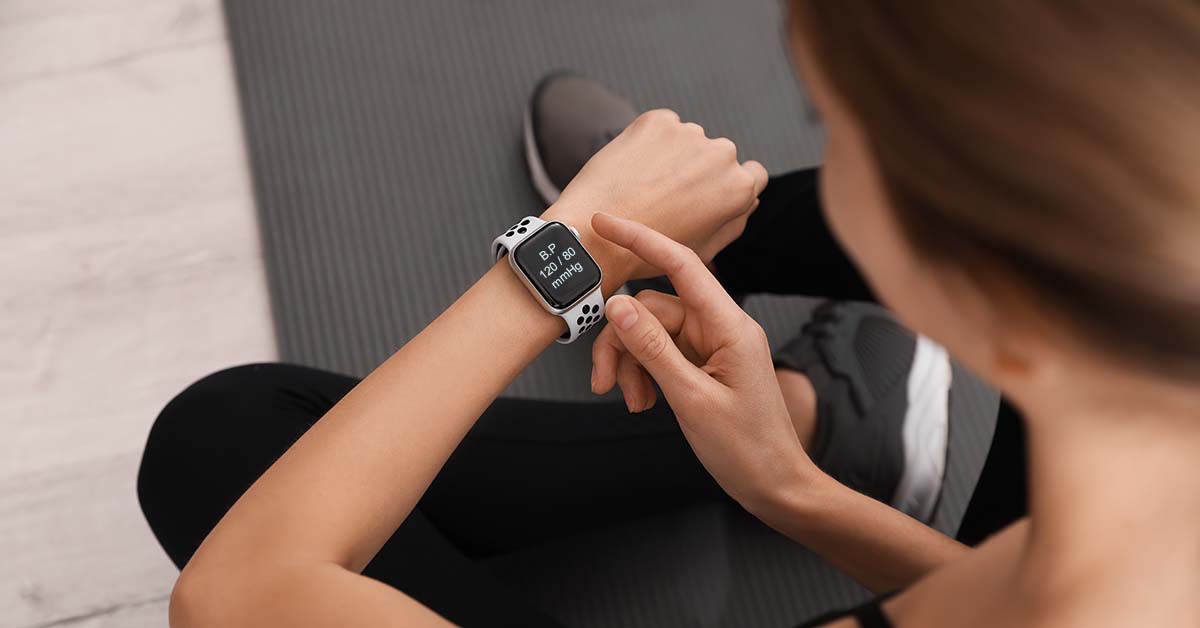
In today’s fast-paced world, stress is an unavoidable part of life. Whether it’s financial concerns, work deadlines, or personal commitments, these pressures can take a serious toll on your heart health. Hypertension (high blood pressure) is a silent killer, often showing no symptoms until it leads to severe complications like heart disease, stroke, or kidney failure. Regular monitoring of your blood pressure is crucial, and while traditional cuff-based blood pressure monitors are the gold standard, smart watches that measure blood pressure are becoming an increasingly popular option.
But how accurate are these smart watches? Can they truly replace conventional blood pressure monitors? And which smart watches that measure blood pressure are available in Singapore today? Let’s explore.
Concerned About Your Blood Pressure And Want To Consult A Heart Specialist?
Contact UsBack To: Coronary Artery Disease Main Page
Blood Pressure Is An Important Indicator Of Heart Health
Blood pressure is one of the most important indicators of heart health, as consistently high readings can signal an increased risk of heart disease, stroke, and other serious conditions. However, it is not the only factor that determines your heart’s well-being. Other key indicators—such as cholesterol levels, blood sugar, arterial blockage, and overall cardiovascular function – also play a critical role. If you are experiencing symptoms like chest pain, dizziness, shortness of breath, irregular heartbeats, or persistent fatigue, it is crucial not to rely solely on a smart watch or home monitor. Instead, consider getting a comprehensive heart health screening or consulting a cardiologist for a thorough evaluation.
No product found.The Convenience Of Smart Watches For Blood Pressure Monitoring
Your blood pressure fluctuates throughout the day based on physical activity, stress levels, and even diet. Taking multiple readings over 24 hours can provide a more accurate picture of your cardiovascular health. However, most people don’t have the time or patience to use a cuff-based monitor multiple times daily.
This is where smart watches that measure blood pressure come in. They provide:
✅ Continuous tracking – Monitors blood pressure throughout the day without interrupting your routine.
✅ Instant insights – Get real-time updates on your heart health without waiting for a doctor’s appointment.
✅ Portability – Unlike traditional monitors, these watches are lightweight and wearable, making them convenient for travel.
Are Smart Watches That Measure Blood Pressure Accurate?
While the technology has improved, most smart watches still cannot match the accuracy of medical-grade cuff-based monitors. Most smart watches use Photoplethysmography (PPG) sensors, which measure blood flow changes in the wrist rather than directly assessing arterial pressure like a cuff-based device. One exception that is available in Singapore (as of Nov 2025) is the Huawei D2 Smart Watch – it uniquely uses a strap with an airbag on it to detect blood pressure, making it closer to the standard medical-grade cuff-based devices.
📌 Important Caveat:
- Some smart watches require calibration periodically (e.g. every 28 days) using a standard blood pressure monitor to maintain accuracy.
- Some other brands may not offer calibration, meaning their readings may not be clinically reliable.
- Smart watches should be used as a supplementary tool, not as a replacement for professional blood pressure measurement.
Which Smart Watches Measure Blood Pressure?
If you’re considering purchasing a smart watch that measures blood pressure, here are some options available in Singapore (as of Nov 2025):
📌 Huawei Watch D2
✔ Technology Used: Inflatable mechanical airbag in strap combined with TruSense pressure sensor and optical modules.
✔ Requires Calibration: No
✔ Features: On‑demand blood pressure readings; 24‑hour ambulatory monitoring at custom intervals; Health Glance reports and trend graphs in Huawei Health app
✔ Accuracy: Medically certified under EU MDR; readings within ±3 mmHg of clinical sphygmomanometer.
💡 Verdict: A reliable, medical‑grade option for Singapore users who want on‑the‑go blood pressure tracking in a smartwatch.
📌 Samsung Galaxy Watches
✔ Technology Used: PPG Sensor
✔ Requires Calibration: Yes, every 28 days
✔ Features: Syncs with Samsung Health Monitor App (Samsung phone required)
✔ Accuracy: Moderately reliable when calibrated
💡 Verdict: One of the most recognised options, but requires monthly calibration with a traditional cuff monitor for accuracy.
📌 Pradory P30 Smart Watch
✔ Technology Used: Inflatable air bag (similar to cuff monitors)
✔ Requires Calibration: No
✔ Features: Tracks blood pressure, heart rate, and oxygen levels
✔ Accuracy: Higher than standard PPG-based watches
💡 Verdict: A promising option due to its inflatable air bag system, but brand reliability and long-term accuracy are still unclear.
🔗 Available on Amazon SG.
📌 Fitvii Blood Pressure Smart Watch
✔ Technology Used: PPG Sensor
✔ Requires Calibration: No
✔ Features: 24/7 tracking, fitness monitoring, and sleep tracking
✔ Accuracy: Moderate, but not medically validated
💡 Verdict: A stylish, budget-friendly option, but should not be relied upon for serious medical monitoring.
🔗 Available at Fitvii’s website.
Should You Use A Smart Watch Or A Medical Blood Pressure Monitor?
🔴 When To Use A Smart Watch:
✔ If you want casual, continuous monitoring of trends over time.
✔ If you exercise frequently and want to observe blood pressure changes.
✔ If you need a quick check-up on the go but will still verify with a cuff monitor later.
✅ When To Use A Medical-Grade Blood Pressure Monitor:
✔ If you have hypertension or heart disease.
✔ If you need clinically accurate readings for diagnosis and treatment.
✔ If your doctor has prescribed blood pressure medication and requires precise monitoring.
Additional Resources For Heart Health And Chronic Conditions
10 Specialist Doctors You Can Consider For Management Of Blood Pressure Conditions
If you are looking for a specialist in heart health, obesity, and other chronic conditions, you can consider these Doctors:




1. Dr Pinakin V. Parekh – Trident Heart Centre
- Expertise: General and interventional cardiology, focusing heavily on early cardiovascular risk management, lifestyle-driven hypertension control, and tracking erratic blood pressure profiles.
2. Dr Wong Weng Kin – One Future Kidney Care
- Expertise: Diagnostic and interventional nephrology, highly qualified to treat underlying renal causes of hypertension and optimise care for patients with high-risk or resistant high blood pressure.
3. Dr Ang Teck Kee – Ace Cardiology Clinic
- Expertise: Chronic hypertension management, heart failure, and coronary artery disease intervention; offering precise diagnostic mappings for patients tracking high blood pressure trends via wearable tech.
4. Dr Chan Wan Xian – Asian Heart & Vascular Centre
- Expertise: Cardiovascular imaging and heart failure, with tailored expertise in obstetric cardiology to manage high blood pressure variations and cardiovascular risks in women during and post-pregnancy.
5. Dr Chuang Hsuan-Hung – Asian Heart & Vascular Centre
- Expertise: Holistic cardiac screening and metabolic risk interventions ; helping patients mitigate the combined long-term damage of elevated blood pressure, cholesterol, and vascular aging.
6. Dr Ng Wai Lin – Raffles Heart Centre
- Expertise: Management of chronic hypertensive heart diseases and the structural changes or heart rhythm complications (arrhythmias) that arise from unmanaged spikes in blood pressure.
7. Dr Soon Chao Yang – The Heart Doctors Clinic
- Expertise: An interventional cardiologist specialising in acute coronary care and vascular health; diagnose and control severe, sudden blood pressure surges before they develop into cardiovascular emergencies.
8. Dr Alvin Ng Kok Heong – The Kidney Health Clinic
- Expertise: Over 20 years of clinical experience, specialising in the management of chronic kidney disease, hypertension, diabetic kidney disease, and advanced dialysis services (hemodialysis and peritoneal dialysis).
9. Dr Michelle Chan Mei-Yi – National Heart Centre Singapore (NHCS)
- Expertise: Advanced echocardiography and heart failure, providing high-credibility institutional care for patients whose chronic hypertension has begun affecting cardiac wall thickness.
10. Dr Christopher Koo Chieh Yang – National University Heart Centre, Singapore (NUHCS)
- Expertise: Expertise in clinical links between obstructive sleep apnea and resistant high blood pressure; treats deep-seated root causes of elevated cardiovascular stress.
Further Readings Related To Blood Pressure
- Find out what diseases are associated with high blood pressure and why blood pressure readings could save your life.
- Read This Before You Check Your Blood Pressure At Home
- Obesity In Singapore
- Cost Of CT Calcium Score Test In Singapore
- Find The Best Cardiologist In Singapore
- Find The Best Vascular Surgeon In Singapore
- Find The Best Endocrinologist In Singapore
- Find The Best Kidney Specialist In Singapore
Final Thoughts On Blood Pressure Watches And Heart Health
Smart watches that measure blood pressure are a step forward in wearable health technology, but they are not replacements for proper medical screening. While options like the Huawei Watch D2 and Samsung Galaxy Watch 8 offer convenience, they should be used as supplements rather than primary diagnostic tools.
To truly stay ahead of heart disease get screened by a medical professional today.
Your health is your most valuable asset. Protect it wisely. For an appointment with a medical professional or a health screening centre, contact us via the button below.
Contact UsBack To: Coronary Artery Disease Main Page
All content on this site is informative only and is not intended to be a substitute for professional medical advice, diagnosis, or treatment, and should never be relied upon for specific medical advice. If you are experiencing a medical emergency, call 995 immediately or go to the nearest Accident & Emergency department.
health365.sg is a member of Group 365Asia.