

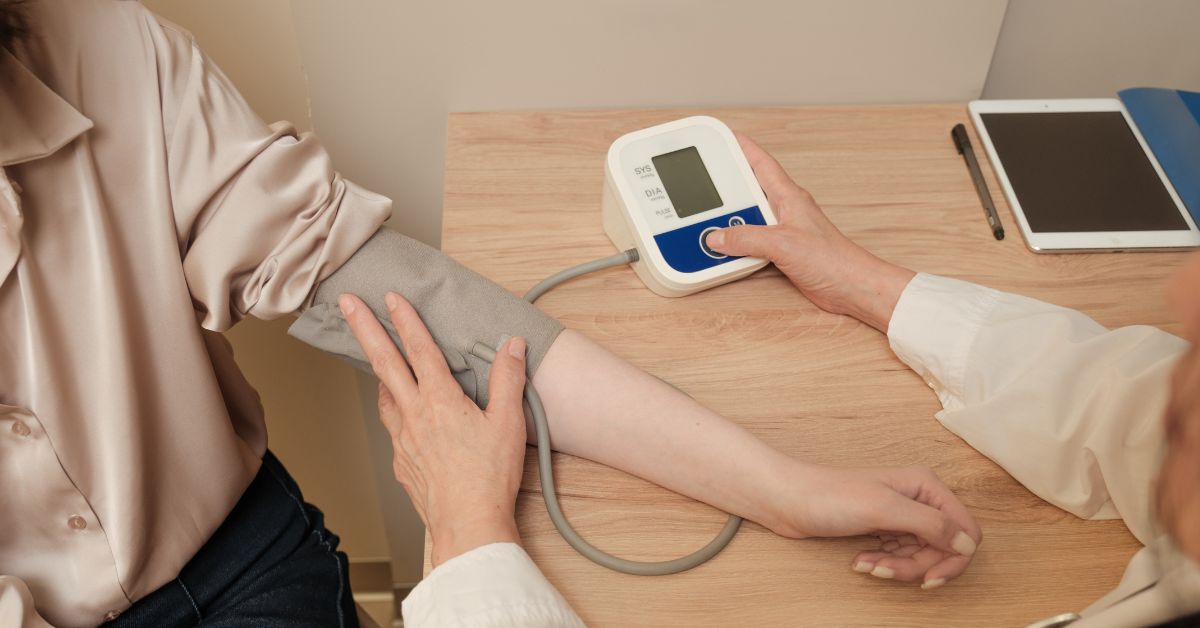
Maintaining healthy blood pressure is one of the most important ways to protect your heart, brain, and overall wellbeing. Yet for many people, blood pressure remains an invisible concern. It often goes unnoticed until it causes serious complications. Regular blood pressure readings can reveal much about your cardiovascular health and help detect early signs of chronic disease long before symptoms appear.
This article explains why understanding your blood pressure readings matters, how high blood pressure (hypertension) affects other organs and diseases, and why monitoring your readings, at home and on the go, can make all the difference.
Get An Appointment To See A Specialist Doctor For Hearth Health Or Other Chronic Conditions
Contact UsUnderstanding Blood Pressure Readings
Blood pressure readings are given in millimetres of mercury (mmHg) and recorded as two numbers:
- Systolic pressure (the higher number): pressure in your arteries when your heart contracts.
- Diastolic pressure (the lower number): pressure when your heart relaxes between beats.
For example, a reading of 120/80 mmHg is considered normal.
- Elevated blood pressure: 120–129 systolic and below 80 diastolic
- Hypertension Stage 1: 130–139 systolic or 80–89 diastolic
- Hypertension Stage 2: 140/90 mmHg or higher
Even small increases above normal can significantly raise your risk of chronic disease over time. That is why consistent monitoring and early management are essential.
What Are The Hidden Dangers Of High Blood Pressure?
High blood pressure often develops silently over years, earning it the name “the silent killer.” Left unchecked, it damages blood vessels and vital organs. Understanding how blood pressure readings relate to other chronic conditions helps illustrate why routine checks are so important.
Impact On Kidney Health
Your kidneys play a crucial role in filtering waste from the blood. When blood pressure remains elevated, the delicate arteries that feed the kidneys can become thickened and narrowed. This reduces blood flow and gradually impairs kidney function—a condition known as Chronic Kidney Disease (CKD).
In fact, hypertension is one of the leading causes of kidney failure worldwide. Regular blood pressure monitoring allows for earlier intervention through diet, medication, and lifestyle changes to slow or prevent kidney damage.
Impact On Diabetes
People with diabetes are particularly vulnerable to hypertension. High blood sugar levels damage blood vessels, and when combined with high blood pressure, the effect is multiplied. This combination accelerates complications like diabetic neuropathy (nerve damage) and diabetic retinopathy (eye damage).
Monitoring blood pressure alongside blood glucose levels provides a fuller picture of metabolic health. Lowering blood pressure in people with diabetes has been shown to significantly reduce risks of heart attack, stroke, and kidney disease.
Impact On Stroke And Brain Health
Your brain depends on steady blood flow to deliver oxygen and nutrients. Chronic high blood pressure weakens or damages the arteries supplying the brain, increasing the likelihood of stroke, transient ischaemic attack (TIA), and even vascular dementia.
Studies show that lowering blood pressure by even 10 mmHg can cut the risk of stroke by up to 30%. Keeping blood pressure in check helps maintain sharp cognition and protects the brain’s long-term health.
Impact On Lung Health
While blood pressure is often associated with heart disease, it also affects the lungs. Conditions such as Chronic Obstructive Pulmonary Disease (COPD) and obstructive sleep apnoea (OSA) can raise blood pressure through low oxygen levels and chronic inflammation.
In COPD, reduced oxygen levels stimulate the heart to pump harder, increasing pressure in pulmonary arteries. Similarly, repeated pauses in breathing during sleep apnoea cause sudden surges in blood pressure during the night. For people with these conditions, regular blood pressure readings are a vital part of managing respiratory and cardiovascular risk.
Impact On Autoimmune Diseases
Autoimmune conditions like rheumatoid arthritis and systemic lupus erythematosus (SLE) create persistent inflammation that affects the entire vascular system. Inflammation can stiffen blood vessels, reduce their flexibility, and contribute to hypertension.
Patients with autoimmune diseases benefit from close blood pressure monitoring, since both the disease itself and the medications used to treat it (like corticosteroids) can increase blood pressure levels.
How To Taking Blood Pressure Readings At Home?
Home blood pressure monitoring is one of the most effective ways to track changes over time. It helps your doctor see how your blood pressure behaves in your daily environment—often providing a more accurate picture than occasional clinic visits.
Tips for accurate home blood pressure readings:
- Sit quietly for 5 minutes before measuring.
- Keep your arm supported at heart level.
- Avoid caffeine, exercise, or smoking for 30 minutes before taking a reading.
- Take at least two readings a minute apart and record the results.
- Measure at the same time each day for consistency.
Home monitoring can also help diagnose “white coat hypertension”, where blood pressure rises temporarily in clinical settings, and identify masked hypertension, where readings are normal in the clinic but elevated at home.
Click for more information about taking blood pressure readings at home.
Are Watches With Blood Pressure Monitor Function Useful?
Technology has made tracking your health easier than ever. Many modern smartwatches now include blood pressure monitor functions, allowing you to check your readings wherever you are.
The advantages of monitoring blood pressure on the go include:
- Early Detection: Spot rising trends before they become serious.
- Convenience: Record readings automatically without bulky equipment.
- Lifestyle Insights: Track how stress, exercise, and diet influence your blood pressure.
While smartwatch readings are not yet as precise as medical-grade devices, they offer a practical way to stay aware of your cardiovascular health between formal checks. For more detail on accuracy and recommended devices, see our linked guide on smart watches with blood pressure monitors.
Lifestyle And Prevention: Small Changes, Big Impact
Lifestyle choices play a major role in controlling blood pressure. By integrating simple habits, you can significantly reduce the risk of hypertension and its complications.
1. Reduce Salt Intake:
Too much sodium raises fluid retention, increasing pressure in blood vessels. Aim for less than 6g of salt per day (around one teaspoon).
2. Eat A Balanced Diet:
A diet rich in fruits, vegetables, whole grains, lean protein, and healthy fats supports vascular health. The DASH diet (Dietary Approaches to Stop Hypertension) is especially effective.
3. Stay Active:
Regular physical activity strengthens the heart and lowers resting blood pressure. Aim for at least 150 minutes of moderate-intensity exercise per week.
4. Manage Stress:
Chronic stress triggers temporary blood pressure spikes. Breathing exercises, mindfulness, and adequate sleep all help maintain calm and stable readings.
5. Limit Alcohol And Quit Smoking:
Both contribute to artery damage and increase hypertension risk.
Why Do Regular Blood Pressure Readings Save Lives?
The benefits of regular monitoring go far beyond numbers on a screen. Early detection of hypertension allows for preventive care—before heart attacks, strokes, or organ damage occur.
Key takeaways:
- Blood pressure readings reveal your risk for multiple chronic diseases.
- Even slightly raised readings should be taken seriously.
- Tracking trends over time gives the best insight into your cardiovascular health.
By making blood pressure monitoring part of your routine—just like checking your weight or step count—you take proactive control over your long-term wellbeing.
Our Preferred Doctors For Heart Disease And Other Chronic Disease Treatment
If you are looking for top doctors with expertise in treating hypertension, heart disease, kidney disease, and other conditions, you can consider our Preferred Doctors.
Cardiologists



[SG] Featured Doctor- Dr Kevin Koo
Endocrine Doctors
Eye Surgeons

[SG] Featured Doctor- Dr Kevin Koo
Kidney Specialists

[SG] Featured Doctor- Dr Kevin Koo
Cardiothoracic Surgeons
Frequently Asked Questions
A normal adult blood pressure reading is around 120/80 mmHg. However, ideal levels can vary slightly depending on age, health, and any existing medical conditions. Your doctor may recommend a specific target range if you have diabetes, kidney disease, or other risk factors.
If you have been diagnosed with hypertension, it’s best to check your blood pressure daily at first, ideally at the same time each day. Once your readings are stable, your doctor may advise measuring a few times a week. For healthy individuals, monthly checks can help maintain awareness.
Yes. Blood pressure naturally rises and falls throughout the day due to physical activity, stress, meals, and sleep. Morning readings are often slightly higher. What matters most is the average trend over time—occasional spikes are normal, but consistently elevated readings should be discussed with your healthcare provider.
Your Numbers, Your Health
Your blood pressure readings are more than just numbers—they are early indicators of how your heart and blood vessels are coping with everyday life. Regular checks can prevent the onset or worsening of chronic conditions like kidney disease, diabetes, stroke, and more.
With the growing accessibility of home monitors and wearable devices, tracking your blood pressure has never been easier. Taking a few minutes each day to measure your readings could be one of the simplest, most powerful steps you take toward a longer, healthier life. If you have particular concerns about your heart health or other chronic conditions, consider consulting a specialist today.
Contact UsRelated Readings:
Learn About Heart Diseases In Singapore
Learn About Weight Management In Our Obesity Big Story Special Content
All content on this site is informative only and is not intended to be a substitute for professional medical advice, diagnosis, or treatment, and should never be relied upon for specific medical advice. If you are experiencing a medical emergency, call 995 immediately or go to the nearest Accident & Emergency department.
health365.sg is a member of Group 365Asia.