

Female Fertility – The Big Story

Female Fertility – The Big Story
Female Fertility is a concern for many women in Singapore today. Whether you are planning for the future or currently facing challenges in conceiving, understanding the landscape of reproductive health is the first step toward parenthood. For couples encountering fertility issues, modern advancements in Assisted Reproductive Technology (ART) offer a range of solutions, from preserving your options through egg freezing to active treatment via In-Vitro Fertilisation (IVF).
Are You At Risk Of Declining Female Fertility?
While every woman’s biological journey is unique, certain factors significantly influence the ability to conceive. Understanding these risks can help in making informed decisions about when to seek medical advice or consider fertility preservation.
- Advancing Age: This is the most critical factor in female fertility. A woman is born with a finite number of eggs, and both the quantity and quality of these eggs decline naturally over time. This decline typically accelerates after the age of 35.
- Medical Conditions: Issues such as Endometriosis, Polycystic Ovary Syndrome (PCOS), or blocked fallopian tubes can hinder natural conception.
- Previous Pelvic Surgeries: Scarring from past operations may affect the reproductive organs.
- Lifestyle Factors: High levels of stress, smoking, and being significantly under or over a healthy weight can impact hormonal balance and ovulation.
- Genetic Predisposition: A family history of early menopause (before age 40) may indicate a shorter reproductive window.
Understanding Egg Freezing In Singapore
Egg freezing, or elective cryopreservation, allows women to harvest and store their eggs while they are younger and of higher quality. This provides a “preservation of chance” for those who wish to delay childbearing for personal or professional reasons.
As at Mar 2026, Singapore allows Elective Egg Freezing (EEF) for women aged between 21 and 37 years to undergo this procedure regardless of their marital status. However, it is important to note that while any woman within this age bracket can freeze her eggs, current Singapore regulations specify that only legally married couples can use these frozen eggs for procreation via IVF.
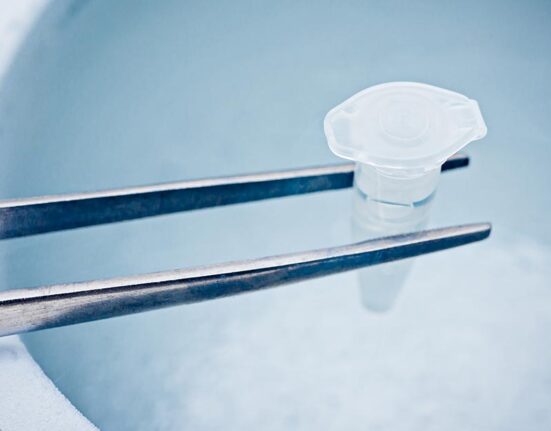
The process involves hormonal stimulation to produce multiple eggs, followed by a surgical retrieval procedure under sedation. The retrieved eggs are then frozen using a technique called vitrification.
The Journey Of In-Vitro Fertilisation (IVF)
IVF is a common and effective treatment for various fertility challenges. The process involves fertilising an egg with sperm outside the body in a laboratory setting. Once an embryo forms, it is transferred back into the woman’s uterus.
A typical IVF cycle includes:
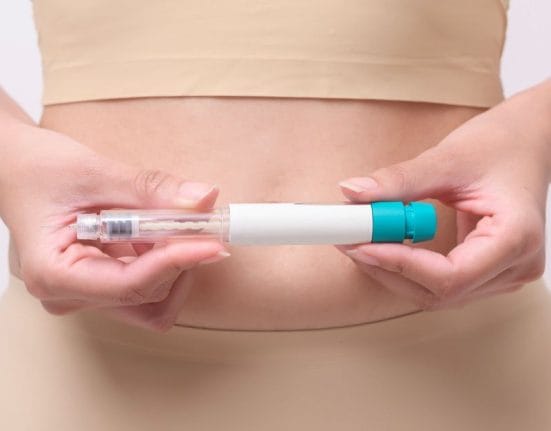
- Ovarian Stimulation: Medication is used to encourage the ovaries to produce several mature eggs.
- Egg Retrieval: A minor surgical procedure to collect the eggs from the follicles.
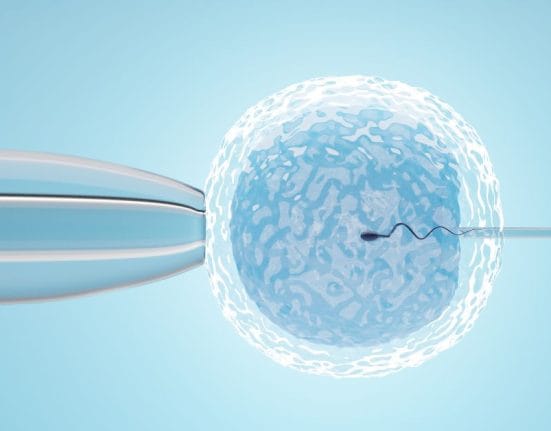
- Fertilisation: The eggs are joined with sperm in the lab. In cases of male factor infertility, Intracytoplasmic Sperm Injection (ICSI) may be used, where a single sperm is injected directly into an egg.
- Embryo Culture and Testing: The resulting embryos are monitored as they grow. Some couples may opt for Pre-implantation Genetic Testing (PGT) to screen for chromosomal abnormalities.
- Embryo Transfer: One or more embryos are placed into the uterus.
A Viable Alternative: Seeking Treatment In Taiwan Vs Singapore
Many patients in Singapore evaluate whether to undergo treatment locally or seek options abroad. Taiwan has emerged as a popular destination for fertility treatments due to its advanced medical infrastructure and regulatory environment.
Regulatory Differences And Technology
Singapore maintains strict standards for ART. For instance, PGT-A (Pre-implantation Genetic Testing for Aneuploidies) is available but subject to specific clinical requirements in the private sector. In Taiwan, access to advanced screening like PGT-A and “4th Generation IVF”— which often incorporates Artificial Intelligence (AI) time-lapse imaging for embryo selection—is more widely accessible.
Cost Considerations
The cost of a single IVF cycle in a private Singapore clinic typically ranges from S$15,000 to S$25,000, depending on the complexity and medication required. In Taiwan, the cost for a similar cycle is often lower, frequently ranging between S$10,000 and S$13,000. Even after accounting for travel and accommodation, many find the overall expenditure to be competitive.
Success Rates
Taiwan reports high success rates, with some clinics citing a 40% live birth rate for women under 40. Singapore also boasts world-class success rates and a highly regulated, safe environment. The choice often depends on a patient’s specific needs regarding genetic testing and budget.
Learn More About Female Fertility And Treatment Options
Comment: The row below to be moved to article for healthcare professionals article
Find A Doctor
Verified Healthcare Professionals
We connect you with a network of qualified and experienced doctors who specialise in chronic health conditions, health screening, and longevity.
Trusted Information Source
We pride ourselves on providing accurate, up-to-date, and evidence-based information about each disease, its prevention, and treatment.
Privacy and Security
Your health information and personal data are paramount to us. We will protect your privacy throughout the booking process and beyond.
Convenience at Your Fingertips
Our user-friendly platform allows you to find and book appointments 24/7 from the comfort of your home.
Our Preferred Doctors You Can Consider For Female Fertility Treatment
Taiwan
- Dr Chun-Kai Chen is a highly respected fertility specialist with decades of experience, known for pioneering advanced reproductive technologies in Taiwan and offering compassionate, patient-centered care.



Singapore
Prefer local options? You can consider these fertility specialists:
Book An Appointment
Take a proactive step for your health and peace of mind today. If you need to see a doctor about female fertility, our team is here to assist.
Financials
[findDoctor category="financial consultants" countries="Singapore" " limit="15"]
Related Content

FAQs On Female Fertility Treatments
Taiwan is a popular destination for Singaporeans due to its advanced reproductive technology and high success rates. Clinics in Taiwan often provide easier access to “4th Generation IVF,” which includes Artificial Intelligence (AI) for embryo selection and Pre-implantation Genetic Testing (PGT-A) as a standard part of the package. Additionally, the regulatory environment in Taiwan allows for certain treatments, such as the use of donor eggs or sperm, which may have different clinical requirements or availability in Singapore.
A typical IVF cycle in Taiwan requires either one extended stay of approximately 14 to 21 days or two shorter trips. The first trip is for the initial stimulation and egg retrieval, while the second trip is for the embryo transfer. To minimise travel time, some patients coordinate with their doctor in Singapore to perform the initial hormonal monitoring and ultrasounds locally before flying to Taiwan for the retrieval procedure.
A common concern is whether the high doses of hormones used in IVF will permanently alter a woman’s natural system. The medications used are designed to stimulate the ovaries for a single cycle only. Once the medication is stopped and the cycle is completed (either through embryo transfer or the onset of a period), the synthetic hormones leave the body relatively quickly, and most women return to their natural hormonal rhythm within one to two cycles.
Under current Singapore Ministry of Health (MOH) regulations, you cannot use your frozen eggs for procreation unless you are in a legally recognised marriage. While single women are permitted to undergo the egg freezing procedure to preserve their options, the law requires a marriage certificate before those eggs can be thawed and fertilised for an IVF procedure within the country.
Yes, it is possible to export your frozen eggs from Singapore to an overseas fertility centre. Patients often choose this route if they wish to undergo IVF in a country with different regulations or lower costs. However, this process requires coordination between the local and international clinics, as well as the engagement of a specialised medical courier to ensure the eggs remain at a constant cryogenic temperature during transit.
Additional Resources
- In-Vitro Fertilisation (IVF) and Intra-Cytoplasmic Sperm Injection (ICSI) | SingHealth
- How to Prepare for IVF? | IVI RMA Global
- The advantages and disadvantages of IVF | Create Fertility
- Female Fertility Preservation: Options and Considerations | SingHealth
- Freezing Eggs: Preserving Fertility for the Future | Johns Hopkins Medicine
.