

Safe Exercise After Heart Surgery With Post-Cardiac Rehabilitation Physiotherapy
Post-Cardiac Rehabilitation is the controlled movement and clinical physiotherapy for long-term recovery after a major cardiac event.
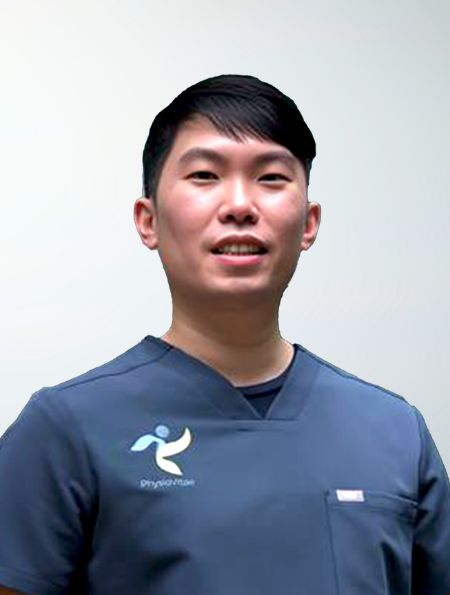
Specialty: Physiotherapy, Cardiac Rehabilitation, Pulmonary Rehabilitation
Clinic: PhysioVitae
Zi Yi is the Co-Founder and Principal Physiotherapist at PhysioVitae. He began his career at Tan Tock Seng Hospital (TTSH), where he underwent structured rotations across musculoskeletal, neurological, and cardiopulmonary disciplines before focusing on cardiopulmonary physiotherapy in 2016.
Over the years, he has developed extensive experience managing patients across critical care, inpatient wards, and outpatient settings. His clinical work spans medical intensive care units, high dependency units, and specialised cardiopulmonary clinics.
Zi Yi has a strong interest in the management of chronic respiratory conditions, post-cardiac event rehabilitation, and long-term functional recovery. He is particularly focused on helping patients regain independence, improve exercise tolerance, and return to meaningful daily activities.
Zi Yi strives to bring hoslistic healing by integrating advanced clinical precision with lifestyle medicine to empower patients to breathe, move, and live without limits.
… find him spending time with his two kids, keeping active in the gym, or travelling — with a good chance you might even bump into him overseas.
I have always had a strong interest in healthcare, along with a passion for exercise and movement. Physiotherapy brought these together in a way that allows me to make a meaningful difference in people’s lives by helping them improve their health and function.
Physiotherapy is not only for injury recovery. Patients should consider it when experiencing reduced exercise capacity, breathlessness, dizziness, or functional decline, as well as for prevention and long-term health optimisation.
I regularly engage with current research, clinical guidelines, and professional development courses to ensure my practice remains evidence-based. I also attend conferences to stay updated on the latest studies and advancements, and integrate these insights into my clinical work.
I believe in delivering individualised, structured, evidence-based care. Just as important is ensuring patients understand their condition, take ownership of their recovery, and are empowered to sustain their health in the long term.
A particularly meaningful experience was working with a patient who, following a serious illness, had significant functional limitations. Through structured rehabilitation, the patient was able to regain independence in simple daily activities — things many people often take for granted. It highlighted how impactful physiotherapy can be in restoring both function and quality of life.
A common misconception is that physiotherapy is limited to musculoskeletal injuries. In reality, it plays a significant role in managing chronic diseases, improving cardiopulmonary fitness, and preventing long-term complications.
I prioritise clear communication, ensuring patients understand the rationale behind each intervention, expected outcomes, and progression, so they can make informed and confident decisions about their care.
I prioritise regular exercise and structured routines outside of work, as it helps me stay mentally sharp and effective in my role. I also make it a point to spend quality time with my family, and enjoy occasional travel as a way to recharge.
One of the most exciting developments is the shift of physiotherapy beyond traditional rehabilitation into a more proactive role in health optimisation. Combined with advances in technology and multidisciplinary care, this allows us to deliver more personalised, effective, and sustainable outcomes for patients.
Long-term health is built on consistency. Regular physical activity, balanced nutrition, quality sleep, effective stress management, avoidance of harmful substances, and strong social connections form the foundation of chronic disease prevention.
At Tan Tock Seng Hospital, Zi Yi served as the respiratory physiotherapy lead, where he managed care for patients with acute and chronic respiratory conditions and led service improvement initiatives. In the Medical High Dependency Unit, he was instrumental in introducing early mobilisation protocols that improved recovery, reduced complications, and shortened hospital stays.
As physiotherapy lead for the Tracheostomy Workgroup, he optimised patient management and developed early weaning protocols, enabling critically ill patients to regain independent breathing and improving their quality of life. He was also one of the pioneers in expanding physiotherapy practice to include physiotherapy-led tracheostomy weaning.
In 2025, he co-founded PhysioVitae and is currently the Principal Physiotherapist at the clinic.
Zi Yi began his career at Tan Tock Seng Hospital (TTSH), rotating through musculoskeletal, neurological, and cardiopulmonary specialties before choosing to specialise in cardiopulmonary care in 2016. He later completed a Master’s degree in Cardiopulmonary Physiotherapy (Distinction) from University College London.
He has worked extensively across inpatient and outpatient settings, covering medical critical care units, general wards, and cardiopulmonary clinics. His expertise lies in managing chronic lung diseases and supporting rehabilitation after cardiac events. In addition, he has more than eight years of experience in vestibular rehabilitation, successfully treating conditions such as vertigo and vestibular neuritis through targeted evidence-based approaches.
Expert Care For Heart And Lungs
“I believe complex recovery demands more than just exercises; it requires a precise, data-driven strategy to help you breathe easier and move with confidence.”
– Koe Zi Yi
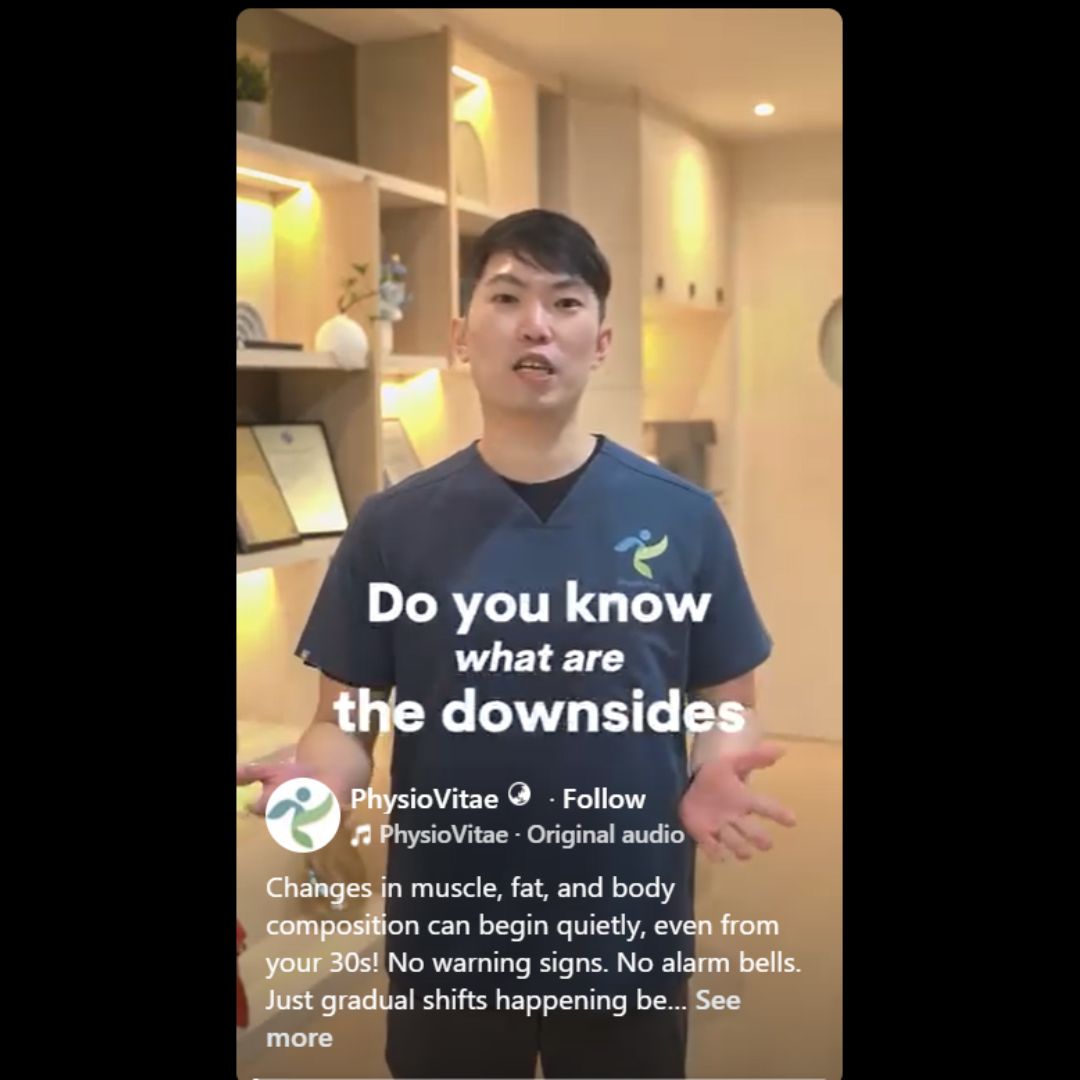
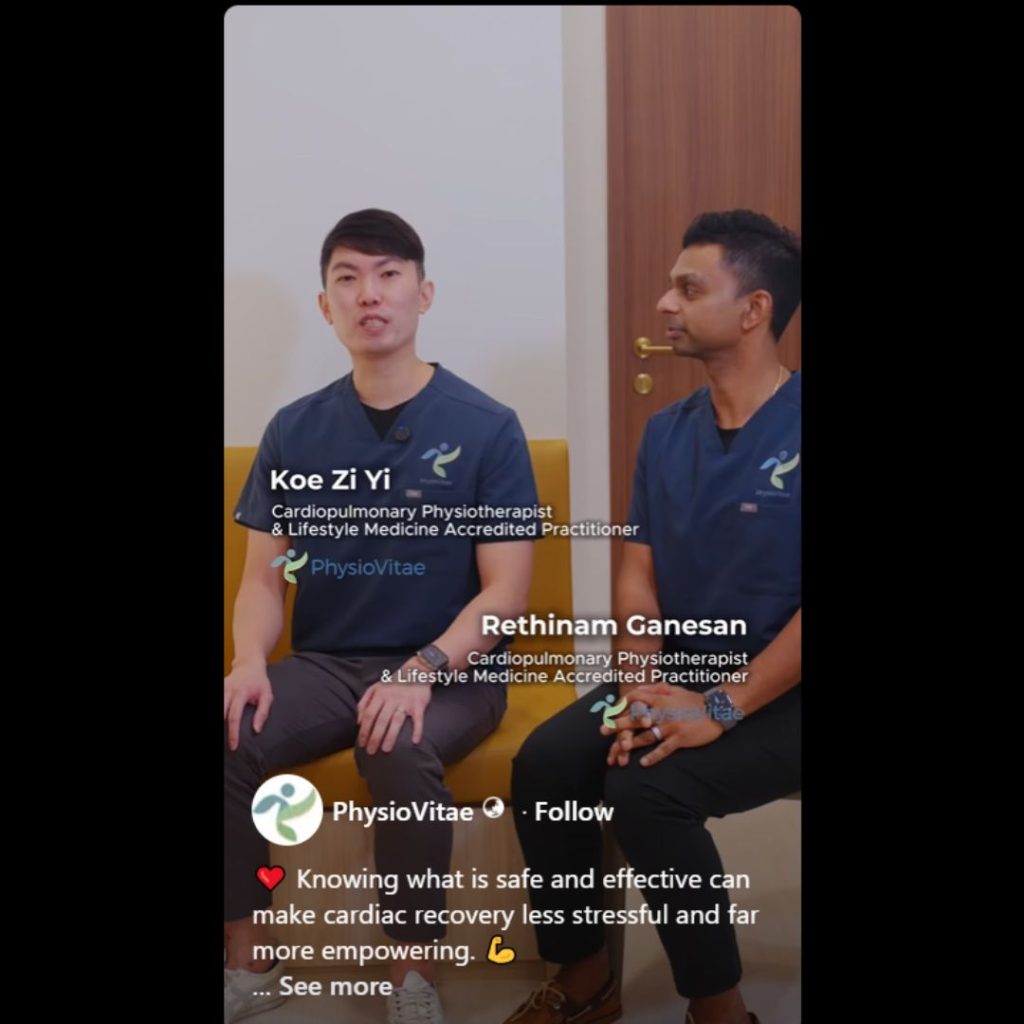
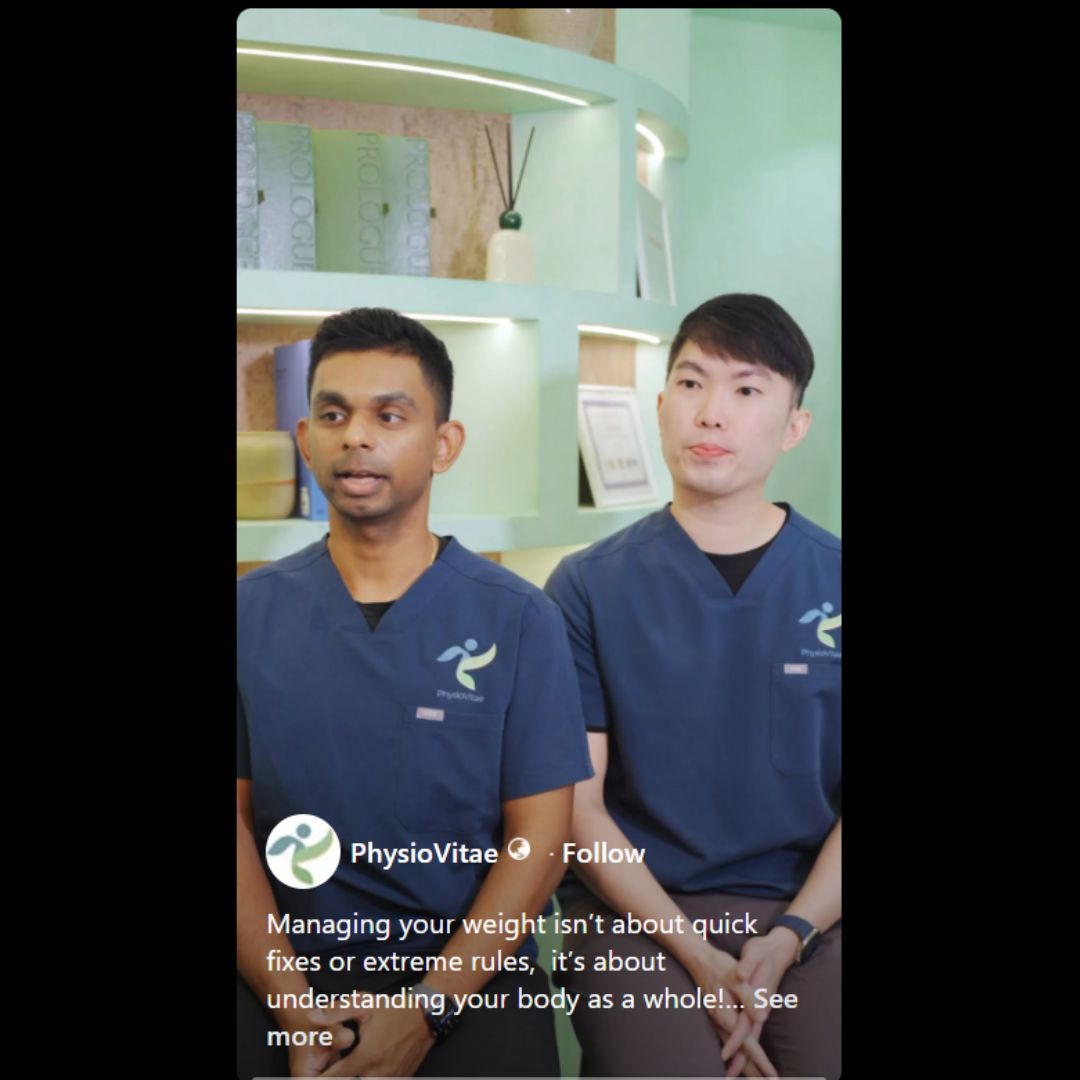
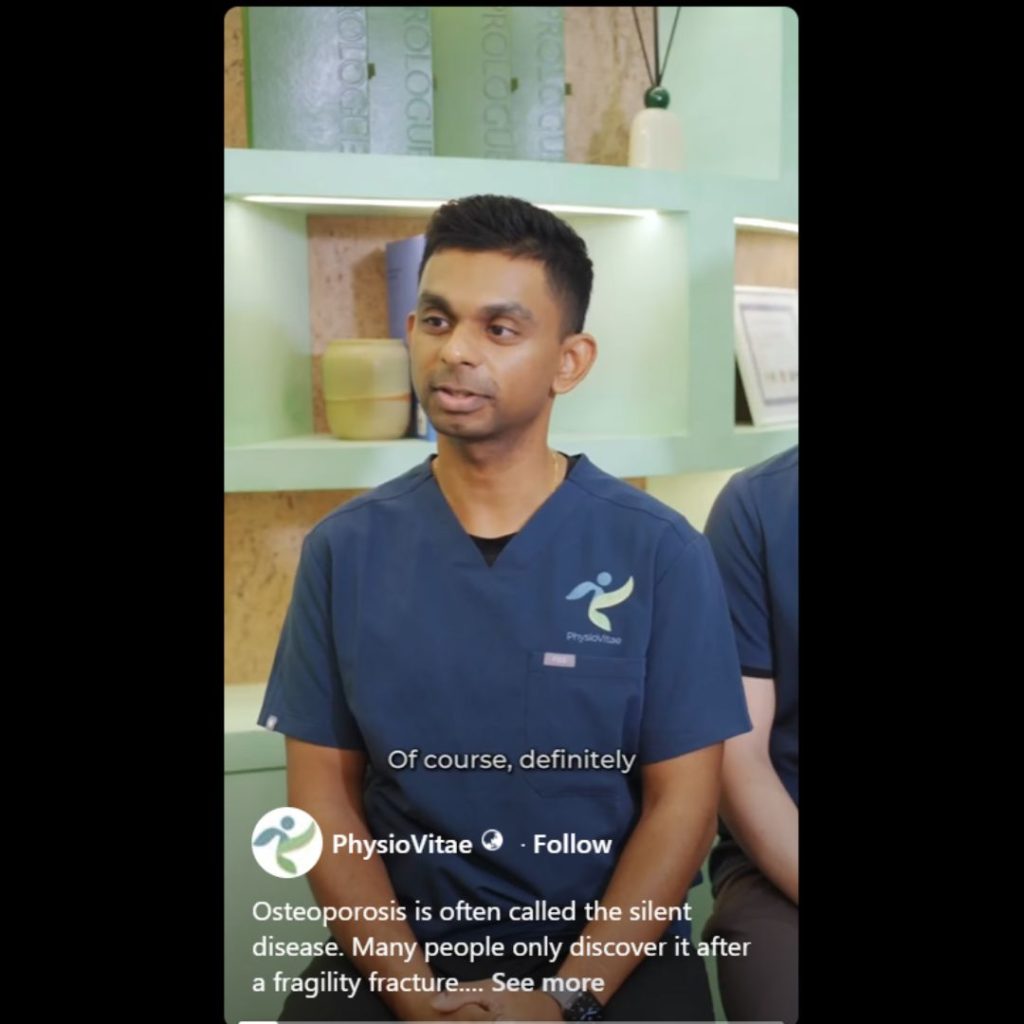

Post-Cardiac Rehabilitation is the controlled movement and clinical physiotherapy for long-term recovery after a major cardiac event.
Koe Zi Yi and Rethinam Ganesan, Co-Founders of PhysioVitae, explain why physiotheraphy is more than just about muscles and bones, and how patients with heart, lung and metabolic conditions can benefit from it too.
All content on this site is informative only and is not intended to be a substitute for professional medical advice, diagnosis, or treatment, and should never be relied upon for specific medical advice. If you are experiencing a medical emergency, call 995 immediately or go to the nearest Accident & Emergency department.
health365.sg is a member of Group 365Asia.
We noticed you are visiting from .
Please select the language in which you would like to see the content.