

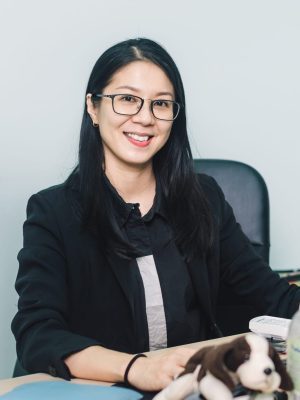
Michelle Pon Yen Kuan
Specialty: TCM
Clinic::Michelle Pon Traditional Chinese Medicine 神農中醫館
Address:No 8, Jalan SS 2/103 Petaling Jaya, 47300 Petaling y, Selangor
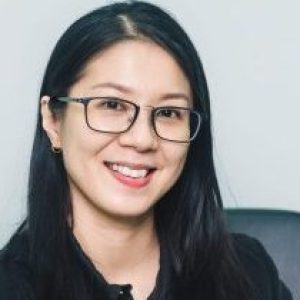
潘嬿伊医師 Michelle Pon Yen Kuan
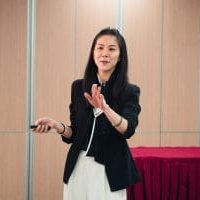
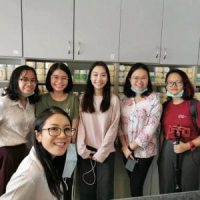
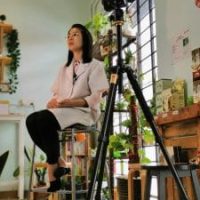
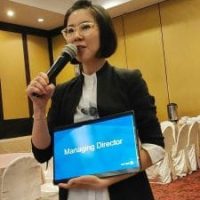
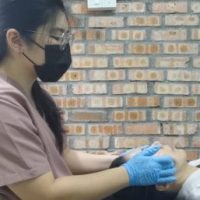
Who Is Physician Michelle Pon Yen Kuan?
- Michelle Pon Yen Kuan is a Traditional Chinese Medicine (TCM) practitioner based in Malaysia. From 2006 to 2011, she studied at Shandong University of Traditional Chinese Medicine in China, where she earned her Bachelor’s degree in Traditional Chinese Medicine. She later continued her postgraduate studies at the same university and completed her Master’s degree in TCM from September 2011 to July 2013. In addition, she completed a TCM undergraduate program at the Malaysian Institute of Chinese Medicine from 2008 to 2016.
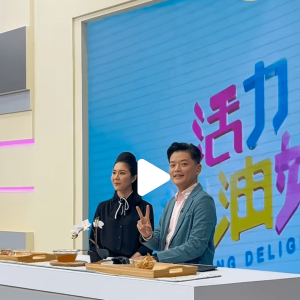
Michelle’s professional skills have been widely recognized. In 2008, she was featured in The Star in an article titled “Inspiring the Younger Generation to Understand Traditional Chinese Medicine.” She has also been invited to share her insights on local television, appearing on NTV7 and 8TV’s “Living Delight” in 2017 and 2018. In 2025, she was invited back to Living Delight for the third time to speak on a trending health topic: “Can Men Experience Menopause Too?”, earning strong public recognition.
Professional Qualifications
- Registered TCM Practitioner under the Federation of Chinese Physicians and Medicine Dealers Associations of Malaysia
- Member of the Malaysia Zhonghua Acupotomy Association
- Member of the World Federation of Acupotomy-Moxibustion Societies
- Registered Traditional and Complementary Medicine (T&CM) Practitioner under the Ministry of Health (MOH) Malaysia
- Featured in the 6th Edition of Successful People in Malaysia and Singapore
- Recipient of the TCM Scholarship (2011) awarded by the People’s Government of Shandong Province, China
Areas of Expertise
- Integration of Chinese and Western Medicine
- Acupotomy for Sports Injuries
- Insomnia Treatment
- Thread Embedding Therapy
- Pediatric Illness Management
- Postpartum and Pregnancy Care
- Women’s Health Management, including Premenstrual Syndrome
- Treatment of Chronic and Acute Diseases using Chinese Medicine
- Fatigue and Stress Management
- Comprehensive Spinal & Orthopaedic Care through TCM and Modern Manual Therapy
Practice Experience
- 2013 – 2016: Practiced as a TCM physician at Eu Yan Sang (SS2 Branch), Malaysia
- 2017 – Present: Founder and TCM practitioner at Michelle Pon Traditional Chinese Medicine (神农中医馆)
Questions & Answers
I used to work as a beauty consultant, but I was never fond of aggressive sales tactics. I built strong relationships with my clients, and many of them shared their frustrations — especially when they hit plateaus in fitness or weight loss. Everyone was paying the same amount, yet not seeing the same results.
That made me reflect deeply: each person’s body constitution is different, and a one-size-fits-all approach doesn’t work. It was then that I started rethinking my life’s direction for the long run. I made a bold decision to leave everything behind and pursue a new path — studying Traditional Chinese Medicine, with a focus on integrating both TCM and Western medical knowledge.
It’s essential to first understand the patient’s work nature, health symptoms, and daily lifestyle before offering any treatment plan.
When the patient feels like a friend and is comfortable opening up, many treatment ideas start to emerge naturally. It’s a dynamic process — not something fixed or absolute.
You could say it’s about being proactive. From the very beginning, I try to understand each patient’s job nature and daily routines, so I can offer the most suitable lifestyle and health advice — whether it’s about rest, diet, posture, or movements to avoid.
Take the case of “Patient S” as an example. She had a persistent cough and cold that didn’t seem to go away. Often, there’s an internal incubation period. If we don’t identify and avoid the wrong foods early on, the phlegm worsens and the condition can escalate.This is where TCM stands out — especially when it comes to resolving phlegm and strengthening the lungs. In many cases, timely TCM intervention can prevent more serious complications, such as pneumonia.
When patients come to see me and feel like they’re talking to a friend, they often open up about what’s been going on in their lives — changes in the family, issues at work, children, colleagues. Through these casual conversations, I begin to understand the deeper context behind their symptoms.
One memorable case was a 45-year-old male accountant who had been suffering from headaches for over 10 years. The pain varied in intensity and often caused dizziness. Whenever work stress increased, the headaches worsened. He also had poor sleep and irritability, and previous treatments with Western medicine had little lasting effect.
I used an integrative approach that combined Traditional Chinese Medicine (TCM) and Western techniques:
- Cervical spondylosis with nerve compression: Treated with needle-knife therapy to release compression, which was contributing to elevated blood pressure. This condition is common and reflects a deficiency at the root with excess at the surface (本虚标实), leading to overall qi and blood weakness.
- Sound therapy (singing bowl): To help relieve emotional and psychological stress.
- IV drips: To restore electrolyte balance and support the body’s circulation.
- Herbal treatments: Using powders and pills in different phases — soothing the liver, tonifying the kidneys, nourishing yin, improving circulation, boosting qi, calming the mind, and relaxing the meridians.
- Moderate exercise was also recommended.
After a period of consistent treatment, the patient no longer experienced headaches, and his overall health significantly improved. Interestingly, both his staff and family members are now also my patients — I’ve become their go-to physician.
This case shows the close link between physical symptoms and emotional well-being. To truly resolve such issues, it’s important to take a holistic view — considering the body, the mind, and the patient’s lifestyle. Every patient is unique, so personalized treatment plans are essential.
A 60-year-old patient with lung cancer passed away, leaving behind a young child. He had been a long-time smoker. Before he died, he told his wife to make sure she informed me when he passed.
Yes, some topics carry more weight when they come from us. Building relationships and showing empathy are key — sometimes it’s about supporting their perspective while gently guiding them. Our way of thinking may differ from theirs, so it often takes time to educate and shift mindsets.
In some cases, parents rely on me to say things that they find hard to express themselves. And for children who have grown up seeing me, especially during their rebellious teenage years, their parents even ask me to help guide or advise them.
People often say TCM is “slow and gentle,” that it takes time to see results — but it really depends on the practitioner you see. In fact, many of my patients come to me right away when they have fever, colds, or coughsTraditional Chinese Medicine today is not exactly the same as it was in the past. It has evolved. Ultimately, it all comes down to medical affinity — the right doctor-patient connection.
The key lies in mastering one’s own specialties and techniques, while building a strong foundation in traditional knowledge and continuously embracing innovation. Clinical experience matters, and the power of lifelong growth and learning is essential.
I return to my inner self and reconnect with the passion I have for my work. I believe in lifelong learning and personal growth. With proper exercise and sleep, I maintain a healthy work-life balance. This steady flow of inspiration helps me sustain long-term motivation and enthusiasm throughout my career.
During university, internship opportunities were crucial — once there was a chance to practice hands-on, I took it. The only way to refine technique is by doing. Even making mistakes is a form of valuable learning.
I did my internship at Shandong University of Traditional Chinese Medicine. As an international student, we rarely got hands-on opportunities. But I was proactive — always helping out and eager to learn. On the very first day, the professor actually asked me to perform acupuncture on a local Chinese patient. That experience gave me confidence and pushed me to grow quickly.
the vision
Clinical experience and lifelong learning are essential.
When patients open up like friends, treatment plans often follow. It's a dynamic, not fixed, process.
Physician Michelle Pon
Top Social Posts
专家观点
All content on this site is informative only and is not intended to be a substitute for professional medical advice, diagnosis, or treatment, and should never be relied upon for specific medical advice. If you are experiencing a medical emergency, call 995 immediately or go to the nearest Accident & Emergency department.
health365.sg is a member of 365Asia.