

Singapore Regulations And Overseas IVF Options – The Big Story

Assisted Reproduction: What Are The Overseas IVF Options?
The decision to embark on an In-Vitro Fertilisation (IVF) journey is a deeply personal and profound milestone. For many residents in Singapore, delaying parenthood due to career aspirations or personal circumstances has made Assisted Reproduction Technology (ART) a vital pathway to building a family.
However, the medical landscape is heavily governed by strict national regulations and financial eligibility criteria. While Singapore offers excellent clinical standards and substantial financial support for specific demographics, those who fall outside these tight regulatory boundaries often find themselves facing limited options at home.
Understanding where the local boundaries lie—and how cross-border frameworks can offer a structured path forward—is essential for making informed reproductive choices. This comprehensive guide outlines the regulatory environment in Singapore and provides a clear strategic roadmap for navigating your fertility options, including the role of specialised cross-border clinics overseas (e.g. in Taiwan).
The Singapore IVF Landscape: Regulations and Subsidies
The Ministry of Health (MOH) in Singapore provides robust frameworks to ensure that public fertility treatments are safe and ethically governed. However, these rules create hard boundaries based on age, marital status, and financial co-funding eligibility.
1. Legal Restrictions and Clinical Boundaries
- Marital Status: Assisted reproduction treatments, including IVF, are strictly restricted to legally married, heterosexual couples. Single women, unmarried heterosexual couples, and same-sex couples cannot legally access IVF or use donor gametes within Singapore.
- Age Limitations for Treatment: There is an age cap of up to 45 years for women undergoing IVF treatment cycles. Women who are older than 45 years of age are legally barred from undergoing standard stimulation and embryo transfer protocols.
- Social Egg Freezing Limits: Elective Egg Freezing (EEF) is permitted for women between the ages of 21 and 37. However, a single woman who freezes her eggs under this scheme cannot thaw or utilise them within Singapore unless she eventually presents a legal marriage certificate to a husband.
- Prohibited Clinical Practices: Gestational surrogacy, commercial egg or sperm trading, and social gender selection are strictly illegal under local medical guidelines.
2. Government Co-Funding and Subsidy Criteria
To manage the high cost of reproductive treatments, the government offers co-funding of up to 75% for Assisted Reproduction Technology cycles. However, this financial aid is highly targeted:
- The Age Cut-off: The female spouse must be below 40 years of age at the start of the treatment cycle to qualify for standard co-funding.
- Hospital Restriction: Subsidies are only applicable at public restructured hospitals (such as KK Women’s and Children’s Hospital, National University Hospital, and Singapore General Hospital). Private fertility clinics do not qualify for direct government co-funding.
- Citizenship Requirements: At least one spouse must be a Singapore Citizen. The exact quantum of the subsidy depends on the citizenship mix of the couple, capping at a maximum of S$7,700 for a fresh cycle and S$2,200 for a frozen cycle for dual-citizen couples as of Jul 2026.
Because of these tight parameters, couples who are older, individuals who are unmarried, same-sex couples, or those who prefer the speed and privacy of private healthcare do not benefit from government financial packages. This has driven a growing need to look regionally for solutions.
The Strategic Fertility Roadmap: Evaluating Your Options
Depending on your age, relationship status, and specific clinical needs, your reproductive journey will follow one of four distinct pathways.
| Patient Demographic & Circumstances | Scenario | Primary Medical Pathway | Remarks |
| Heterosexual Married Couples(Eligible for government co-funding) | Scenario A | Complete the entire IVF cycle locally within a Singapore public restructured hospital. | Maximise Public Subsidies: Minimise out-of-pocket expenses by combining up to 75% government co-funding with personal MediSave allowances. |
| Heterosexual Married Couples / Single Women (Aged 21–37)(Seeking fertility preservation or future flexibility) | Scenario B | Bridging from Singapore: Undergo elective egg freezing locally in Singapore, with the provision to export the gametes later if needed. | Local Preservation with Export Potential: Secure biological material early at home, maintaining the legal option to transfer the frozen eggs to an overseas clinic if circumstances require it. |
| Alternative Demographics(Single women over age 37, same-sex couples, or married couples over age 40 ineligible for local subsidies) | Scenarios C & D | Utilise private cross-border treatment pathways directly at a specialised facility in Taiwan. | Gain access to advanced reproductive technology, private care, or legal egg freezing without local age caps or marital status exclusions. |
| Alternative Demographics requiring third-party reproductive care(Individuals requiring donor programmes or gestational surrogacy) | Bridging System | Bridging from Taiwan: Perform the preparatory medical phases (ovarian stimulation and egg/sperm extraction) in Taiwan, followed by a regulated cryogenic export. | Cross-Border Implantation: Complete the complex extraction phase under high clinical standards at a lower cost, before shipping the materials to a jurisdiction where final implantation is legally permitted. |
Scenario A: Undertaking the Complete Procedure in Singapore
- Who it is for: Legally married heterosexual couples where the female partner is below 40 years of age and at least one partner is a Singapore Citizen.
- What to do: If you fit these criteria, your may likely wish to utilise the public healthcare system. This allows you to maximise the 75% government co-funding and draw from your MediSave account (up to a S$15,000 lifetime cap) to lower out-of-pocket expenses.
- Considerations: Patients must accept longer waitlists and less flexibility in choosing specific consulting physicians.
Scenario B: Utilising the Bridging Option from Singapore
- Who it is for: Single women aged 21 to 37 who wish to preserve their fertility while living and working in Singapore, or married couples who may eventually require specialised overseas options.
- What to do: You can complete the initial ovarian stimulation and egg retrieval process at a local licensed clinic in Singapore. If you remain single or if your future medical needs require technologies not permitted locally, you can legally engage a specialised international cryogenic courier to export your frozen eggs to an overseas facility.
- Considerations: The initial cryopreservation is fully self-funded, as elective egg freezing does not qualify for government subsidies or MediSave usage.
Scenario C: Undertaking the Entire Procedure in Taiwan
- Who it is for: Heterosexual married couples who do not qualify for Singapore subsidies (e.g., the female spouse is aged 40 to 45), couples who require donor eggs or donor sperm, or women aged 38 and above who are barred from elective egg freezing in Singapore due to the local age cap.
- What to do: Taiwan boasts some of the highest IVF success rates globally and operates under transparent, advanced medical laws. For couples paying out-of-pocket at private clinics in Singapore—where a single cycle can cost between S$13,000 and S$25,000—traveling to an established centre in Taiwan offers a highly competitive option. A full private cycle there typically costs significantly less, while offering immediate access to advanced embryo screening tools without the restrictive public waiting lists.
- Considerations: Taiwan law allows altruistic egg and sperm donation for married heterosexual couples, meaning couples facing severe ovarian reserve depletion can access highly regulated local donor banks.
Scenario D: Utilising the Bridging Strategy from Taiwan
- Who it is for: Same-sex couples, single women over the age of 37, or individuals who require third-party reproductive arrangements such as gestational surrogacy.
- What to do: Because Taiwan law restricts actual embryo implantation to heterosexual married couples, foreign patients in alternative circumstances utilise Taiwan as a specialised medical bridge. At Taiwanese fertility clinics, patients can safely complete the first half of their medical journey—including diagnostic workups, hormone stimulation, and egg or sperm harvesting—at a lower cost and with high clinical oversight. The clinic then handles the official administrative and regulatory approvals with the Taiwanese government to safely export the frozen biological materials to an LGBTQ+-friendly or single-parent-friendly jurisdiction (such as specific states in the United States) where the final fertilisation and implantation can be legally completed.
- Considerations: This requires careful coordination between the Taiwanese clinic, the international cryogenic courier, and the destination clinic overseas.
Cross-Border Expertise: The Strategic Advantage of Taiwan
For Singapore residents navigating the strict confines of local fertility laws, seeking care abroad requires finding an institution that understands international regulatory friction.
Reputable fertility clinics in Taiwan have developed dedicated international patient pathways designed to minimise travel stress. Because they function as an international fertility bridge, they coordinate care directly with patients before they leave Singapore. This ensures that initial blood tests and preparatory scans can be monitored remotely, meaning patients only need to travel to Taipei for the critical phases of their treatment cycle, saving time and reducing emotional exhaustion.
Seeking Clarity On Your Options?
If you are navigating fertility restrictions or wish to understand how a cross-border bridging strategy applies to your personal situation, professional guidance can help clear the path forward. Contact us for a consultation with a reputable overseas fertility clinic to receive an assessment of your cross-border treatment options.
Learn More About IVF
Find The Best IVF Doctors
Editor’s List Of Best IVF Doctors In Singapore
Editor’s List Of Best IVF Doctors In Taiwan
Comment: The row below to be moved to article for healthcare professionals article
Preferred Doctors For IVF Treatment
If you are looking for an IVF doctor in Taiwan, you can consider our Preferred Doctors:
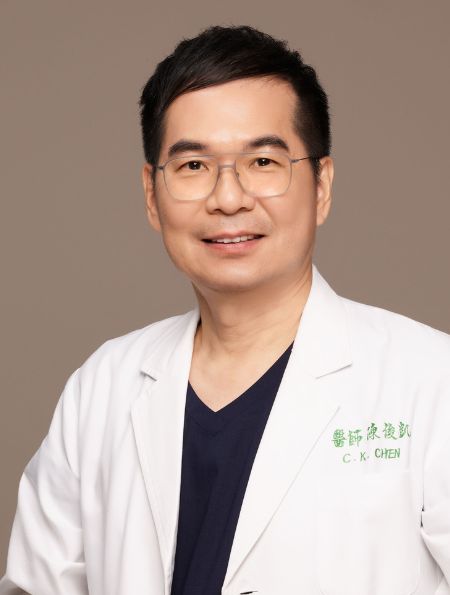
- Dr Chun-Kai Chen is a highly respected fertility specialist with decades of experience, known for pioneering advanced reproductive technologies in Taiwan and offering compassionate, patient-centered care.
At Hope Fertility & PGT Centre, we warmly invite individuals and couples from Singapore to experience Taiwan’s world-class medical care and high-success IVF programs. We are deeply committed to inclusivity, offering specialised cross-border bridging services that provide a legal, safe, and supportive pathway to parenthood for LGBTQ+ patients. Your journey is seamlessly supported from day one, with our dedicated concierge team guiding you through every step.
Dr Chun-Kai Chen, Director, Hope Fertility & PGT Centre

Find A Doctor
Verified Healthcare Professionals
We connect you with a network of qualified and experienced doctors who specialise in chronic health conditions, health screening, and longevity.
Trusted Information Source
We pride ourselves on providing accurate, up-to-date, and evidence-based information about each disease, its prevention, and treatment.
Privacy and Security
Your health information and personal data are paramount to us. We will protect your privacy throughout the booking process and beyond.
Convenience at Your Fingertips
Our user-friendly platform allows you to find and book appointments 24/7 from the comfort of your home.
Book An Appointment
Take a proactive step for your health and peace of mind today. If you need to see a doctor, our team is here to assist.
Financials
[findDoctor category="financial consultants" countries="Singapore" " limit="15"]
Related Content


FAQs On Singapore IVF Regulations And Subsidies, And Overseas IVF Options
Frequently Asked Questions
If I freeze my eggs electively in Singapore as a single woman, can I use them if I remain unmarried?
No. Under current Ministry of Health regulations, you cannot thaw or fertilise electively frozen eggs inside a Singapore clinic unless you produce a legal marriage certificate recognizing a heterosexual union. If you wish to pursue independent motherhood as a single woman, you must arrange to legally export your frozen eggs to an overseas jurisdiction where single-parent IVF is legally permitted.
Can I receive direct government co-funding subsidies if I choose a private fertility clinic in Singapore?
No. The direct government co-funding subsidies, which cover up to 75% of the treatment costs, are strictly restricted to public restructured hospitals. If you choose to undergo IVF treatment at a private clinic in Singapore, you will not receive these cash subsidies, although you will still be allowed to withdraw from your personal MediSave account up to the designated statutory limits.
What occurs to my subsidy eligibility if I turn 40 years of age midway through my IVF treatments in Singapore?
To qualify for the standard public subsidies, the female partner must be under 40 years of age at the exact start of that specific treatment cycle. Once you reach 40 years of age, you are no longer eligible for standard co-funding, unless you had already undergone a co-funded ART or IUI cycle prior to turning 40, in which case you may be granted co-funding for a maximum of two additional lifetime cycles.
Is it legal for a Singapore resident to use a donor egg or donor sperm when undergoing IVF treatment in Taiwan?
Yes, it is entirely legal, provided that the recipient couple is a legally married heterosexual husband and wife. Taiwan has a highly structured and ethically regulated altruistic donation programme. However, Taiwan law explicitly prohibits the importation of foreign reproductive material for donor cycles; therefore, the donor eggs or sperm must be sourced internally from within the official Taiwanese donor registry.
Can same-sex couples or unmarried individuals perform initial fertility assessments or egg harvesting in Singapore?
No. Singapore medical regulations strictly prohibit licensed clinics from performing any phase of assisted reproductive treatments—including initial diagnostic monitoring for IVF, hormone stimulation, or egg retrieval—for individuals who are not part of a legally recognised heterosexual marriage. Those within alternative demographics must look to cross-border options to initiate their family-building plans.
How long must a patient physically stay overseas when undergoing an IVF cycle or a bridging procedure?
For a complete IVF cycle involving ovarian stimulation, egg retrieval, and a fresh embryo transfer, a patient typically needs to remain overseas for approximately two to three weeks. However, if a patient utilises a bridging strategy or a frozen embryo transfer, the required physical stay is significantly shorter. For instance, the egg harvesting phase requires only around ten to twelve days. Advanced clinics that support international patients often coordinate care seamlessly, allowing patients to return home shortly after retrieval while the biological materials are prepared for the next stage.
Is it safe to transport frozen eggs or embryos internationally, and how is the quality protected during transit?
Yes, international cryogenic transport is a highly regulated and safe medical procedure when conducted by specialised medical couriers. The biological materials are not placed in standard airport cargo; instead, they are secured inside dynamic dry-shipper tanks cooled by liquid nitrogen to temperatures below minus one hundred and fifty degrees Celsius. These containers maintain a constant temperature for weeks without electricity. Furthermore, these specialised couriers hand-carry the containers through airport customs to ensure they bypass standard security X-ray machines, as radiation can compromise cellular integrity.
Can the preparatory medical examinations and hormone monitoring be conducted in Singapore to reduce travel time?
Yes. Many international fertility centres offer a “shared care” protocol to accommodate working professionals. Under this arrangement, preliminary blood tests, pelvic ultrasounds, and the initial days of hormone injections can be administered by a cooperating gynaecologist in Singapore. The results are transmitted electronically to the primary specialist overseas, who monitors follicle development remotely. This collaborative approach ensures that the patient only needs to board a flight when the eggs are mature and ready for the final trigger injection and subsequent surgical retrieval, minimising disruptions to daily life.
If an unmarried individual or a same-sex couple chooses the bridging option through a clinic in Taiwan, where must the final embryo transfer take place?
Because Taiwan law strictly restricts the fertilisation of gametes via donor programmes and the subsequent embryo transfer to legally married heterosexual couples, the final stages must take place in an overseas jurisdiction that legally supports alternative family structures. The clinic in Taiwan serves as the medical baseline where egg or sperm extraction and cryopreservation are performed under high clinical standards. Once the official government export permits are secured, the materials are shipped to a destination such as specific states in the United States, where the introduction of the embryo into the uterus is legally performed.
How do the success rates and technological standards of fertility clinics in Taiwan compare to other regional medical tourism hubs?
Taiwan is globally recognised for its advanced reproductive medicine, frequently reporting clinical success rates that rival those of top Western institutions and surpass many regional alternatives. The Ministry of Health and Welfare in Taiwan enforces stringent quality control and auditing protocols on all licensed assisted reproduction units. Furthermore, Taiwanese clinics are pioneers in Pre-implantation Genetic Testing for Aneuploidies (PGT-A) and advanced time-lapse embryo imaging. This high level of technological sophistication provides patients with optimal outcomes per cycle, which is a critical consideration when treatments are self-funded.
Additional Resources
- In Vitro Fertilization Program | Hope Fertility & PGT Centre
- Fertility Options for LGBTQ+ Families | Hope Fertility & PGT Centre
- Fertility Support SG
- Family and fertility: Is IVF the magic bullet? | SingHealth
- Healthcare Services Act | Singapore Statutes Online