

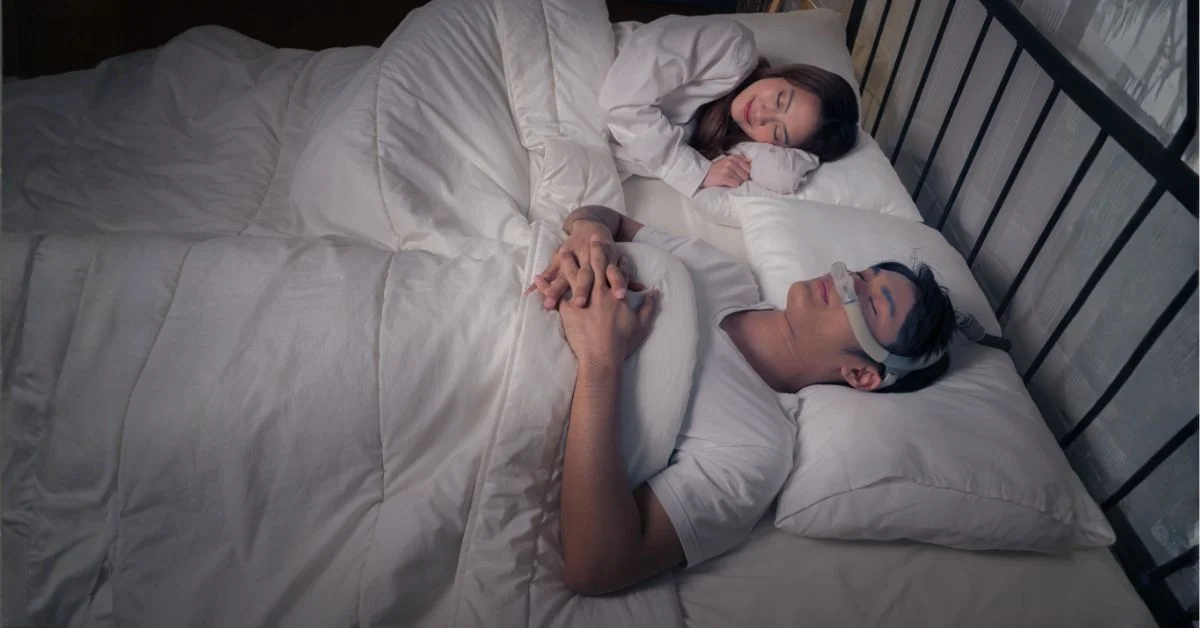
Sleep apnea is a serious but common sleep disorder in which breathing repeatedly stops and starts during sleep. This interruption prevents the body from getting enough oxygen, leading to daytime fatigue, poor concentration, and long-term health complications such as hypertension and heart disease. Among the available treatment options, CPAP (Continuous Positive Airway Pressure) therapy remains the gold standard for managing sleep apnea effectively and safely without surgery.
See An ENT Specialist Regarding Your Sleep Apnea Problems
Contact UsBack To: Sleep Apnea Can Double Cardiovascular Risks Big Story
What Is Sleep Apnea And How Does CPAP Help?
Sleep apnea, particularly Obstructive Sleep Apnea (OSA), occurs when the airway becomes blocked during sleep—often due to relaxed throat muscles, excess tissue, or tongue position. These blockages cause breathing pauses that can last from a few seconds to minutes, often followed by gasping or choking as the body tries to reopen the airway.
CPAP therapy directly addresses this issue by keeping the airway open throughout the night. It works by delivering a steady stream of air through a mask worn over the nose, or both nose and mouth, while you sleep. This air pressure acts as a gentle splint, preventing the soft tissues in the throat from collapsing and allowing continuous, uninterrupted breathing.
What Does CPAP Sleep Apnea Treatment Involve?
CPAP therapy typically begins with a sleep study to diagnose the severity of sleep apnea. This is either conducted in a sleep clinic or at home. Based on the results, the ENT doctor prescribes a CPAP device tailored to the patient’s pressure needs.
The CPAP system includes:
- A machine that generates pressurised air
- A tubing system that delivers the air
- A mask that fits over the nose, or both the nose and mouth
During sleep, the machine continuously delivers airflow to prevent airway collapse. Some modern CPAP machines come with features such as humidifiers, auto-adjusting pressure, and data tracking to enhance comfort and ensure optimal use.
How Long Does It Take To See Results From CPAP Therapy?
Most patients begin noticing improvement within a few days to weeks of consistent CPAP use. Common early benefits include reduced snoring, better sleep quality, and greater daytime alertness. However, it may take several weeks to adjust fully to the sensation of wearing the mask and sleeping with the airflow.
To achieve lasting results, patients should use the CPAP machine every night and for the entire duration of sleep. Regular follow-ups with a sleep specialist help fine-tune settings, ensure comfort, and monitor long-term effectiveness.
CPAP May Be A Lifelong Therapy
Sleep apnea is often caused by anatomical factors such as a narrow airway, large tongue base, or soft palate collapse that do not change without surgical intervention or significant weight loss. Since CPAP simply prevents airway collapse rather than altering anatomy, it must be used every night to remain effective.
Just like wearing glasses improves vision only while they are worn, CPAP works only when it is in use.
Can I Ever Stop Using CPAP?
There are some cases where CPAP use might become unnecessary or reduced:
- Significant Weight Loss:
Losing a substantial amount of weight (typically 10–20% of body weight) can reduce airway obstruction and improve or even resolve mild sleep apnea. - Successful Surgery:
Certain surgical procedures, such as uvulopalatopharyngoplasty (UPPP) or maxillomandibular advancement (MMA), can permanently enlarge the airway, potentially reducing or eliminating the need for CPAP. - Lifestyle and Positional Changes:
Avoiding alcohol, quitting smoking, and sleeping on your side can improve airway stability, particularly in mild cases. - Technological Alternatives:
Some patients transition to oral appliances or hypoglossal nerve stimulation devices (a type of implant) if they respond well to these alternatives.
However, before discontinuing CPAP, it is essential to undergo a repeat sleep study under medical supervision to confirm that your sleep apnea is resolved or adequately controlled by other means.
Who Is CPAP Therapy Suitable For?
CPAP therapy is most effective for individuals diagnosed with moderate to severe obstructive sleep apnea, but it can also help those with mild cases who experience significant symptoms such as snoring, fatigue, or difficulty concentrating.
It is particularly suitable for patients who:
- Prefer a non-surgical treatment option
- Have anatomical or medical conditions that make surgery risky
- Want a reversible and adjustable treatment
- Need to stabilise sleep apnea symptoms before or after other medical interventions
For patients with central sleep apnea, advanced versions such as BiPAP (Bi-level Positive Airway Pressure) or ASV (Adaptive Servo-Ventilation) may be recommended.
What Are The Possible Side Effects Of CPAP Therapy?
While CPAP is generally safe and well-tolerated, some users experience mild side effects, especially during the initial adjustment period. These may include:
- Nasal dryness or congestion
- Mouth dryness (especially with nasal-only masks)
- Skin irritation or pressure marks from the mask
- Claustrophobia or discomfort wearing the mask
- Aerophagia (swallowing air), which can cause mild bloating
Most of these issues can be easily managed by adjusting the mask fit, using a heated humidifier, or switching to a different mask style. Sleep specialists often assist patients in fine-tuning their setup for maximum comfort.
Why Is CPAP Preferred Over Surgery?
CPAP therapy is typically the first-line treatment for sleep apnea because it is non-invasive, reversible, and highly effective when used consistently. Unlike surgery, it does not involve any recovery time or risk of complications, and patients can stop or adjust the therapy at any time.
Surgery may be considered only when:
- CPAP has been tried for several months without success
- The patient has clear anatomical blockages (such as enlarged tonsils or jaw abnormalities)
- Non-surgical treatments are not tolerated
For many individuals, CPAP remains the safest and most effective long-term solution to manage sleep apnea, providing immediate relief without altering the body’s anatomy.
Find A Doctor (ENT Specialist) For Sleep Apnea Treatment




Frequently Asked Questions (FAQs)
It can take a few weeks to adjust to wearing the mask and sleeping with air pressure. Starting with short daytime sessions, using ramp features (which gradually increase pressure), and ensuring a well-fitted mask can make the transition much smoother. Most users adapt successfully and experience significant improvements in sleep quality.
For hygiene and effectiveness, replace the mask cushion or nasal pillows every 1–3 months, the filter every 1–2 months, and the tubing every 6–12 months. The CPAP machine itself usually lasts five years or more with proper maintenance. Regular cleaning prevents bacteria build-up and extends equipment lifespan.
Discontinuing CPAP therapy often leads to a quick return of sleep apnea symptoms such as loud snoring, fatigue, and interrupted breathing during sleep. Over time, untreated sleep apnea increases the risk of cardiovascular problems, diabetes, and stroke. Consistent nightly use is crucial for maintaining long-term health benefits.
Get An Appointment With An ENT Specialist
CPAP sleep apnea treatment is a proven, non-surgical solution that restores restful sleep and protects long-term health by ensuring steady breathing throughout the night. With advancements in comfort and technology, modern CPAP devices are quieter, smaller, and easier to use than ever before. Whether you have just been diagnosed or are exploring treatment options, CPAP therapy remains a reliable and highly effective way to take control of sleep apnea. Speak to an ENT specialist regarding your sleep apnea problems today.
Contact UsBack To: Sleep Apnea Can Double Cardiovascular Risks Big Story
All content on this site is informative only and is not intended to be a substitute for professional medical advice, diagnosis, or treatment, and should never be relied upon for specific medical advice. If you are experiencing a medical emergency, call 995 immediately or go to the nearest Accident & Emergency department.
health365.sg is a member of Group 365Asia.