

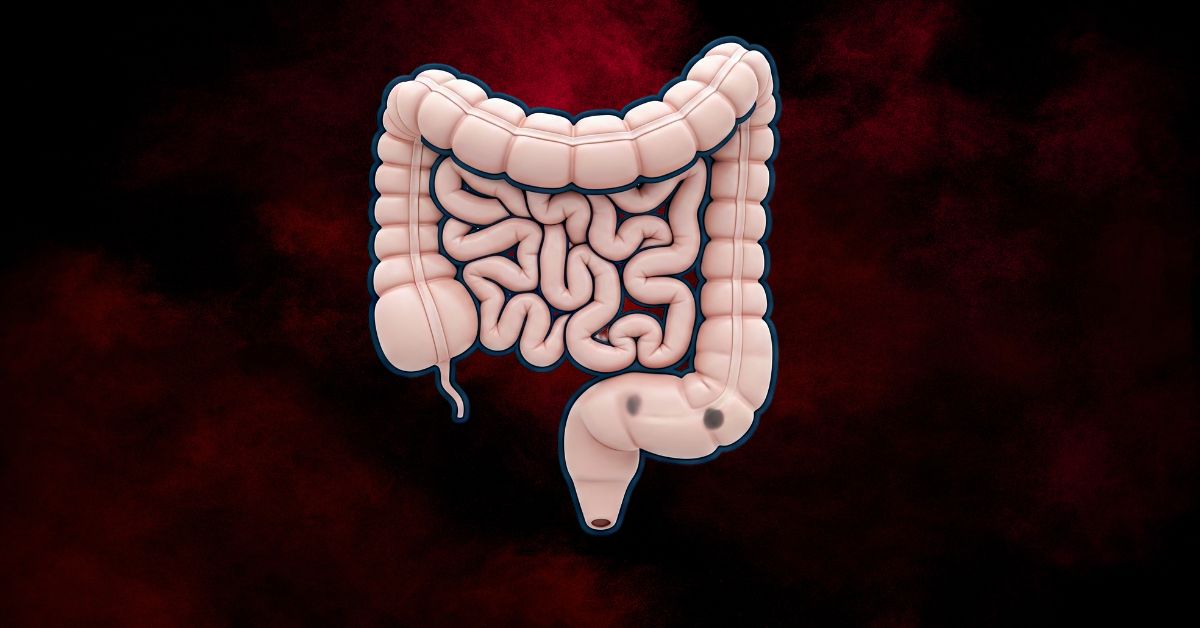
Large Colon Polyps are significant overgrowths of tissue within the lining of the large intestine that require definitive medical evaluation due to their potential to transition into malignancy. Standard management relies primarily on advanced minimally invasive endoscopic techniques to remove the growths before cellular changes progress. Advanced treatments for Large Colon Polyps include Endoscopic Mucosal Resection (EMR), Endoscopic Submucosal Dissection (ESD), and Endolaparoscopic surgery.
This article outlines the diagnosis, common therapeutic interventions, and specialised procedural options available to address these pre-cancerous lesions effectively while preserving normal bowel function and improving patient outcomes.
Back To: Colorectal Conditions Main Page
Colorectal Conditions In Singapore
Colorectal conditions are driven largely by age and lifestyle choices. According to the Singapore Cancer Registry Annual Report 2023, colorectal cancer stands as the second most common cancer diagnosed in both males and females nationwide. Between 2019 and 2023, the nation recorded 7,101 cases in males and 5,849 cases in females. The development of malignant growths often begins as benign precursors known as Large Colon Polyps. Left undetected, these growths can undergo structural changes over several years, eventually contributing to the high mortality statistics seen locally, where colorectal cancer is the second leading cause of cancer deaths across both genders.
What Are Large Colon Polyps And How Do They Form?
Large Colon Polyps are abnormal tissue growths exceeding two centimetres in diameter that develop on the inner mucosal lining of the colon. While initially non-cancerous, their advanced size significantly increases the risk of harbouring micro-malignancies, necessitating prompt endoscopic intervention to prevent progression.
Physiologically, these growths arise from genetic mutations within the cellular replication pathway of the colonic epithelium. Normal mucosal cells follow a regulated cycle of proliferation and shedding, but altered pathways lead to unregulated cellular accumulation. Over time, these cells form visible projections, either flat (sessile) or stalked (pedunculated), extending into the intestinal lumen. As the structure expands beyond critical dimensions, the architectural distortion increases the likelihood of dysplasia. Cellular changes can eventually breach the muscularis mucosae layer, transforming an initially benign growth into an invasive adenocarcinoma that compromises intestinal integrity.
What Are The Main Treatment Options For Large Colon Polyps?
The primary treatment options for Large Colon Polyps involve advanced endoscopic resection techniques, specifically Endoscopic Mucosal Resection and Endoscopic Submucosal Dissection. These procedures allow specialists to remove large growths minimally invasively through the internal lumen of the bowel, avoiding the need for conventional open abdominal surgery.
What Is Endoscopic Mucosal Resection?
Endoscopic Mucosal Resection (EMR) is a treatment frequently deployed for superficial lesions. The procedure involves injecting a liquid solution beneath the mucosa to lift the polyp away from the underlying muscle layer, allowing the specialist to snare and remove the tissue safely.
What Is Endoscopic Submucosal Dissection?
For larger or more complex, flat lesions, Endoscopic Submucosal Dissection (ESD) offers a precise alternative. ESD utilises micro-knives to dissect the submucosal layer directly beneath the growth, enabling the en bloc removal of the entire lesion in a single piece, which provides superior diagnostic accuracy for pathology analysis. Clinical trials demonstrate moderate evidence supporting these techniques for achieving high clearance rates while avoiding segmental bowel removal.
When Is Endolaparoscopic Surgery Utilised For Large Colon Polyps?
Endolaparoscopic surgery is a specialised, combined procedure utilised when conventional endoscopic techniques cannot safely remove Large Colon Polyps due to anatomical complexity or perforation risks. This advanced approach integrates simultaneous endoscopic visualisation and laparoscopic manipulation to resect difficult lesions while preserving maximum bowel architecture.
Endolaparoscopic surgery is not commonly performed compared to standard EMR or ESD, as most cases are successfully managed via pure endoscopy. However, for exceptionally complex, retroflexed, or giant lesions, this hybrid procedure becomes a vital clinical option. Medical insights from experienced colorectal specialists highlight that combining real-time internal endoscopy with external laparoscopic assistance allows for precise tissue retraction and immediate reinforcement of the bowel wall. This advanced method provides a crucial therapeutic pathway for challenging anatomy, effectively lowering the risk of full bowel resection, mitigating complications, and significantly improving the patient’s long-term quality of life.
What To Watch For: Symptoms And Actionable Steps
| Clinical Indicators | Actionable Medical Steps |
| Altered bowel habits lasting over a month | Seek specialist consultation for a diagnostic colonoscopy |
| Visible rectal bleeding or dark, tarry stools | Undergo urgent evaluation to rule out deep mucosal lesions |
| Unexplained iron-deficiency anaemia or chronic fatigue | Investigate potential occult blood loss from large growths |
| Unexplained abdominal discomfort or localised cramping | Schedule professional screening to evaluate luminal obstruction |
Frequently Asked Questions Regarding Large Colon Polyps
Yes, Large Colon Polyps possess a well-documented risk of malignant transformation through the adenoma-carcinoma sequence. Over several years, progressive cellular dysplasia within the growth can breach deeper intestinal layers, evolving into invasive colorectal cancer, which underlines the clinical necessity of early screening and proactive endoscopic removal.
Most patients undergoing EMR or ESD for Large Colon Polyps experience a rapid recovery, often returning to standard activities within a few days. While temporary abdominal bloating or mild localised discomfort may occur, these minimally invasive techniques avoid major abdominal incisions, thereby preserving bowel function and enhancing overall clinical outcomes.
Following the successful clearance of Large Colon Polyps, specialists mandate a surveillance colonoscopy, typically scheduled between six to twelve months post-procedure. This rigorous monitoring programme ensures the detection of any recurrent tissue at the resection site and allows for the timely management of new mucosal changes.
Our Preferred Doctor (Colorectal Surgeon) You Can Consider For Removal Of Large Colon Polyps



[SG] Featured Doctor- Dr Bryan Wang
Get An Appointment With A Colorectal Surgeon
If you require further advice regarding colorectal health screening or the management of advanced intestinal lesions, click the Whatsapp button to get an appointment with a colorectal surgeon experienced in Large Colon Polyp management.
Contact MedicalTravel.asiaBack To: Colorectal Conditions Main Page
All content on this site is informative only and is not intended to be a substitute for professional medical advice, diagnosis, or treatment, and should never be relied upon for specific medical advice. If you are experiencing a medical emergency, call 995 immediately or go to the nearest Accident & Emergency department.
health365.sg is a member of 365Asia.