

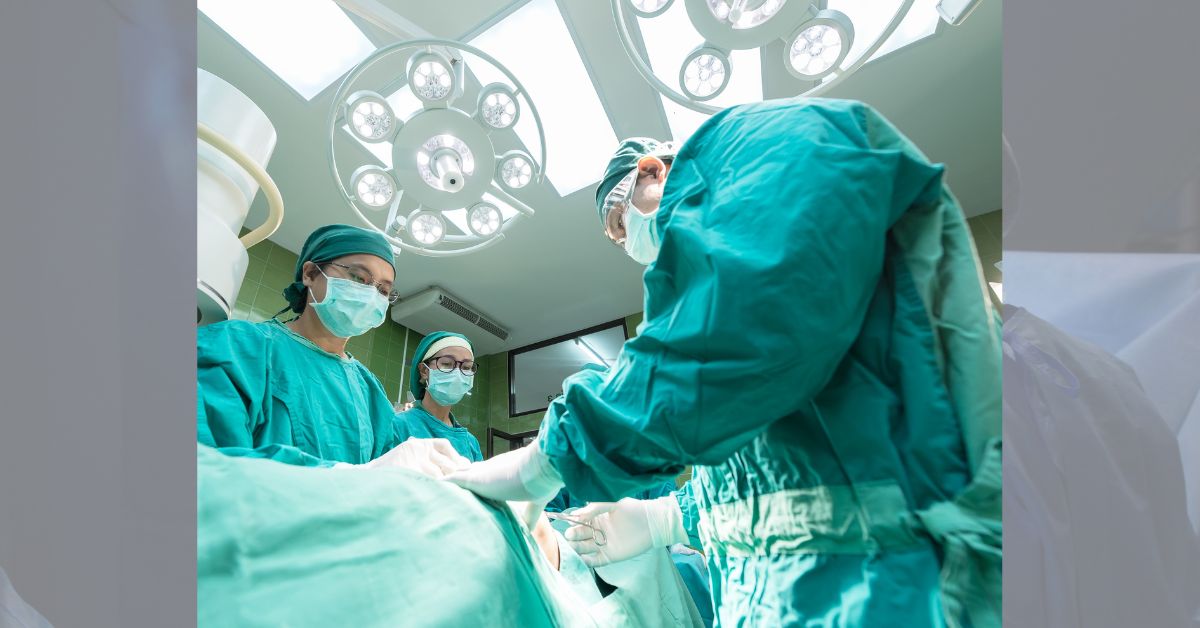
An aortic aneurysm is a serious medical condition where a weakened section of the aorta—the largest artery in the body—begins to bulge or expand. Over time, this enlargement can increase the risk of rupture, leading to life-threatening internal bleeding. Fortunately, timely diagnosis and a range of surgical interventions have significantly improved outcomes for patients with aortic aneurysms.
Need An Appointment With A Vascular Surgeon?
Contact MedicalTravel.asiaBack To: Vascular Diseases Main Page
What Are Aortic Aneurysms
Aortic aneurysms are typically categorised based on their location: abdominal aortic aneurysms (AAA) and thoracic aortic aneurysms (TAA). These aneurysms often develop silently over years without causing symptoms. However, when symptoms do appear—such as back pain, a pulsating abdominal mass, or chest discomfort—they may signal an urgent need for medical attention.
Risk factors include high blood pressure, high cholesterol, smoking, a family history of aneurysms, and certain genetic conditions such as Marfan syndrome. Early detection through imaging tests like CT scans or ultrasounds is crucial for effective treatment planning.
Aortic Aneurysm Symptoms
Aortic aneurysms often do not have symptoms until they become large or they rupture. When symptoms do occur, they will vary depending on where the aneurysm is located:
Abdominal Aortic Aneurysm (AAA) may cause:
- A deep, persistent pain in the abdomen or lower back
- A pulsating sensation near the navel
- Nausea or a sense of fullness
Thoracic Aortic Aneurysm (TAA) may cause:
- Chest or upper back pain
- Difficulty breathing or swallowing
- Hoarseness or coughing
A sudden and severe pain in the chest, back, or abdomen may indicate a rupture of the aneurysm. This is a medical emergency that requires immediate attention.
Risks of Untreated Aortic Aneurysms
If left untreated, aortic aneurysms can rupture, resulting in severe internal bleeding and often death. Aneurysms can also cause complications such as an aortic dissection. This is where the inner layer of the aorta tears and causes blood to flow between the aortic layers. It is also a life-threatening emergency.
Treatment Options for Aortic Aneurysm Surgery
When an aneurysm reaches a certain size (typically 5.5 cm or larger in diameter), or if it’s growing rapidly, surgery is usually recommended. The two main surgical options are:
- Open Aneurysm Repair (OAR):
This traditional approach involves a large abdominal or chest incision to replace the damaged section of the aorta with a synthetic graft. It is highly effective but requires a longer hospital stay and recovery period. - Endovascular Aneurysm Repair (EVAR):
A minimally invasive alternative, EVAR uses small incisions in the groin to guide a stent graft through the blood vessels and into the aneurysm. This option offers faster recovery and is suitable for many patients, although regular monitoring is necessary post-procedure.
Your vascular surgeon will recommend the most suitable approach based on the aneurysm’s size, location, and your overall health.
Our Preferred Doctors (Vascular Surgeons) For Aortic Aneurysm Surgery

Get An Appointment Today
If you are experiencing symptoms, or if a health screening suggests the possibility of one, and wish to consult a vascular surgeon on your concerns, we can help get an appointment.
Contact MedicalTravel.asiaGet A Comprehensive Health Screening Package
Back To: Vascular Diseases Main Page
FAQs About Aortic Aneurysm Surgery
1. Is Aortic Aneurysm Surgery Safe?
Yes, both OAR and EVAR are considered safe, especially when performed by experienced vascular surgeons.
2. How Long Is Recovery After Surgery?
Recovery can range from 2 weeks for EVAR to 6–8 weeks for open repair.
3. Will I Need Lifelong Follow-Up?
Yes, especially after EVAR, to monitor for complications such as endoleaks.
4. Can Lifestyle Changes Help After Surgery?
Yes. Controlling blood pressure, avoiding smoking, and regular exercise are key to long-term health.
5. Is The Surgery Covered By Insurance?
Most insurance plans cover medically necessary aneurysm surgery. Check with your provider for details.
All content on this site is informative only and is not intended to be a substitute for professional medical advice, diagnosis, or treatment, and should never be relied upon for specific medical advice. If you are experiencing a medical emergency, call 995 immediately or go to the nearest Accident & Emergency department.
health365.sg is a member of 365Asia.