

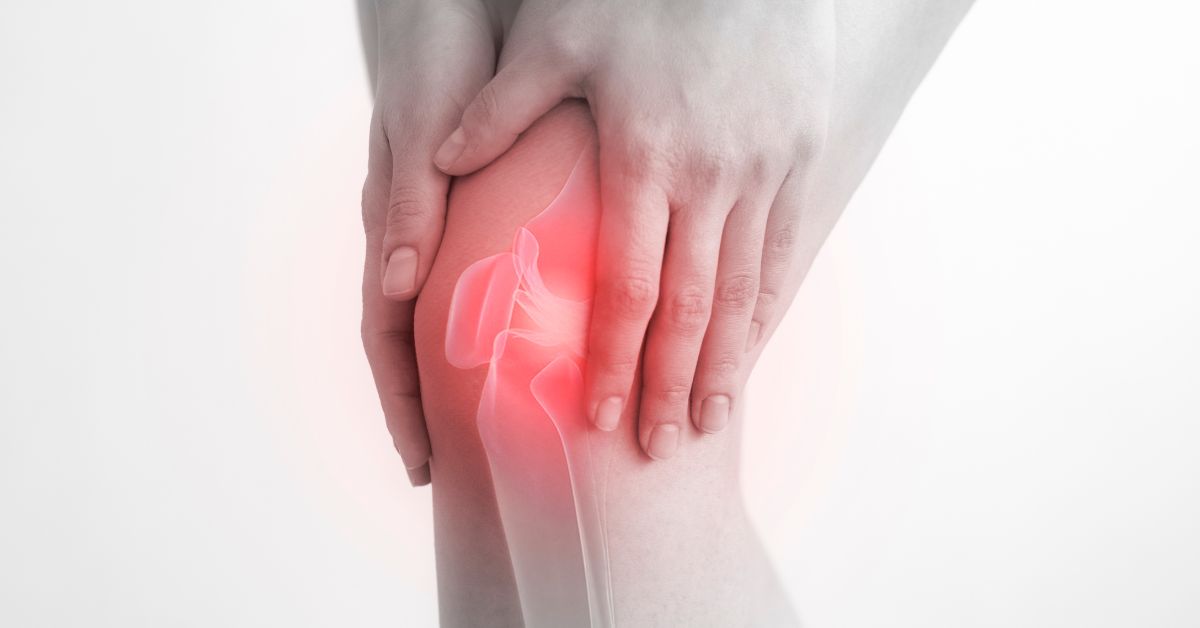
Arthroscopic treatment is transforming the way joint conditions are diagnosed and treated. From athletes with knee injuries to elderly patients with chronic shoulder pain, this minimally invasive procedure offers quicker recovery, smaller incisions, and less pain compared to traditional open surgery. If you are struggling with joint issues that limit your mobility or daily activities, arthroscopic treatment could be the solution.
Back to Main Channel: Bone & Orthopaedic Health
Schedule an Appointment with an Orthopaedic Specialist in Singapore
What Is Arthroscopic Treatment?
Arthroscopic treatment is a minimally invasive surgical technique used to diagnose and manage joint problems. During the procedure, an orthopaedic surgeon inserts a small camera (arthroscope) into the joint through a tiny incision. This camera provides a clear view of the inside of the joint on a screen, allowing the surgeon to examine the tissue and perform repairs using specialised instruments.
This technique is commonly used to treat:
- Knee injuries (e.g. torn meniscus, ligament damage).
- Shoulder problems (e.g. rotator cuff tears, shoulder impingement).
- Elbow, wrist, and ankle conditions.
- Cartilage and ligament injuries.
- Loose bone fragments or inflamed joint linings.
How Is a Diagnosis Made?
Before recommending arthroscopic treatment, a doctor will typically perform a detailed clinical assessment. Imaging tests are often necessary to confirm the diagnosis and plan the procedure. These may include:
- X-rays to assess bone damage or joint alignment.
- Magnetic Resonance Imaging (MRI) to detect soft tissue injuries such as torn ligaments or cartilage damage.
- Ultrasound for real-time visualisation of tendons and muscles.
What to Expect During and After Arthroscopic Surgery
Arthroscopic procedures are usually done as day surgery under general or regional anaesthesia. The surgery typically takes one to two hours, depending on the joint and complexity of the issue. Most patients go home the same day.
Post-operative care often includes:
- Pain management with medication.
- Physiotherapy to restore joint mobility and strength.
- Follow-up imaging to monitor recovery if needed.
Recovery times vary but are generally shorter than open surgery. Most individuals are able to resume light activities within a few days to weeks, although full recovery may take a few months.
Why Choose Arthroscopic Treatment?
Arthroscopic treatment is popular in Singapore for several key reasons:
- Smaller incisions and less scarring.
- Shorter hospital stays and faster return to normal activities.
- Reduced risk of infection and complications.
- Precise diagnosis and targeted treatment.
Schedule A Consultation With An Orthopaedic Specialist In Singapore
If you are looking for reliable advice on whether arthroscopic treatment is suitable for your joint condition, contact us for an introduction to a trusted orthopaedic specialist in Singapore.
Useful Links
- Preferred Orthopaedic Specialist (Upper Limbs): Dr Bryan Wang
- Preferred Orthopaedic Specialist (Lower Limbs): Dr Ananda Vella
- Have Questions? Find us on WhatsApp (wa.me/6590991662)
- Get Imaging Tests In Singapore
- Explore comprehensive health screening packages from our partners
Related Content
Back to Main Channel: Bone & Orthopaedic Health
All content on this site is informative only and is not intended to be a substitute for professional medical advice, diagnosis, or treatment, and should never be relied upon for specific medical advice. If you are experiencing a medical emergency, call 995 immediately or go to the nearest Accident & Emergency department.
health365.sg is a member of 365Asia.