

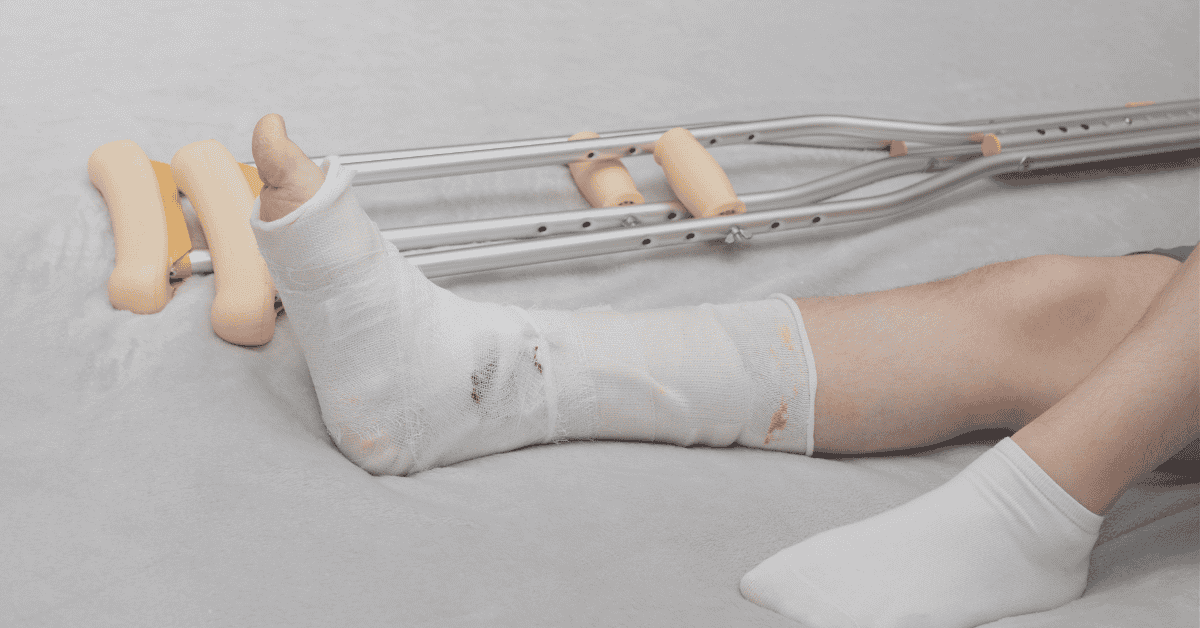
Bone fractures are one of the most common orthopaedic injuries treated in Singapore, affecting individuals of all ages. From a small crack in the bone to a complete break, fractures can happen suddenly due to trauma or develop gradually as a result of repetitive stress. Early diagnosis and professional treatment are crucial for full recovery and to avoid long-term complications.
In this article, we explore what causes bone fractures, how to recognise symptoms, treatment options in Singapore, expected healing timelines, and recovery strategies. We’ll also touch on treatment costs and when to seek help from an orthopaedic surgeon.
Back to Main Channel: Bone & Orthopaedic Health
Schedule an Appointment with an Orthopaedic Specialist in Singapore
What Is a Bone Fracture?
A bone fracture is a break in the continuity of a bone. Fractures can range from hairline cracks (stress fractures) to complex breaks that require surgical intervention. Depending on the location and severity, bone fractures can affect a person’s mobility, independence, and quality of life.
Some of the most common types of bone fractures include:
- Closed fractures (no break in the skin)
- Open or compound fractures (bone pierces the skin)
- Comminuted fractures (bone breaks into several pieces)
- Greenstick fractures (partial break, usually in children)
- Stress fractures (tiny cracks due to repetitive force)
Causes of Bone Fracture
The most common causes of fractures in Singapore include:
- Trauma or Injury: Falls, traffic accidents, and sports injuries are leading causes.
- Osteoporosis: Common among older adults, especially post-menopausal women, osteoporosis weakens bones and makes them more susceptible to fractures.
- Overuse or Repetitive Strain: Athletes or individuals involved in repetitive physical activity may develop stress fractures, especially in the lower limbs.
- Medical Conditions: Conditions such as bone cancer or metabolic bone disease can also increase the risk of spontaneous fractures.
Symptoms of Bone Fracture
Recognising the symptoms of a fracture is essential for timely treatment. Typical symptoms include:
- Sudden and intense pain at the injury site
- Swelling, bruising, or tenderness
- Visible deformity or unnatural position of the limb
- Inability to move the affected area or bear weight
- A cracking or popping sound at the moment of injury
If any of these symptoms occur, it’s important to consult an orthopaedic specialist immediately.
Diagnosis: How Doctors Confirm a Bone Fracture
Get Medical Imaging in Singapore
Orthopaedic surgeons use a combination of physical examination and imaging tests to diagnose bone fractures. Common diagnostic methods include:
- X-rays: The most frequently used method to identify bone fractures.
- CT Scans: Provide detailed images and are especially useful for complex fractures.
- MRI Scans: Help detect stress fractures and assess surrounding soft tissues.
Treatment Options for Bone Fractures
Treatment depends on the severity, location, and type of fracture. Most fractures are managed by orthopaedic surgeons in Singapore using one or more of the following methods:
1. Immobilisation
For simple fractures, a cast or splint is applied to hold the bone in place while it heals. This is often the first line of treatment for non-displaced fractures.
2. Closed Reduction
If the bone is misaligned but the skin is intact, a non-surgical procedure called closed reduction may be performed to realign the bone before casting.
3. Surgical Treatment
Complex or displaced fractures may require surgery. Common surgical procedures include:
- Open Reduction and Internal Fixation (ORIF): Metal screws, plates, or rods are used to stabilise the bone.
- External Fixation: Pins and rods outside the body hold the bone in position.
These procedures are performed by a qualified orthopaedic surgeon and often require post-operative physiotherapy.
Bone Fracture Healing and Recovery
The healing process begins almost immediately after a fracture. The bone goes through several stages:
- Inflammatory Phase (0–7 days): Blood clots form, and inflammation sets in.
- Repair Phase (1–6 weeks): A soft callus forms around the break, later replaced by hard bone.
- Remodelling Phase (6 weeks to several months): The bone continues to rebuild and reshape itself.
How to Recover from a Bone Fracture
A successful bone fracture recovery involves more than just resting. Key recovery tips include:
- Follow your doctor’s advice and avoid premature activity.
- Take prescribed medications to manage pain and inflammation.
- Attend scheduled follow-up appointments and imaging tests.
- Engage in physiotherapy exercises to restore mobility and strength.
- Maintain a diet rich in calcium and vitamin D to support bone fracture healing.
The recovery period can range from 6 to 12 weeks or longer, depending on the fracture’s severity and the patient’s age and health.
Cost of Bone Fracture Treatment in Singapore
Treatment costs can vary widely depending on your choice of healthcare provider, complexity of the fracture, and whether surgery is necessary. The following estimates are based on public hospital fee benchmarks and clinical data for common fractures:
Non-Surgical Care
- X-rays for standard fracture diagnosis usually cost between SGD 50–150 in public hospitals and SGD 100–250 in private clinics.
- Orthopaedic specialist consultation at a public hospital ranges from SGD 40–150, while private practice consultations typically cost SGD 150–300.
- Casting and splinting services in public hospitals often fall between SGD 100–300 (subsidised), whereas private hospital fees range from SGD 300–800.
Surgical Intervention: ORIF (Open Reduction and Internal Fixation)
- For wrist or ankle fractures requiring ORIF, subsidised costs in public hospitals fall between SGD 2,600–3,800 for wrist and SGD 2,300–3,800 for hand fractures (multiple bones), based on patient billing data.
- Private hospital rates for ORIF typically range from SGD 6,700–9,600 for ankle fractures and SGD 6,700–10,200 for complex hand fractures.
Hospitalisation
- Public hospital patients undergoing ORIF in subsidised wards may expect hospitalisation costs around SGD 2,700–3,900, including ward charges, consultation, medication, and tests.
- For private hospitals with similar procedures, typical inpatient bills are in the range of SGD 10,528–21,576, depending on ward class and length of stay.
When Should You See an Orthopaedic Specialist?
Bone fractures can be painful and disruptive, but with timely diagnosis and expert care, a full recovery is possible. Whether you’re dealing with a simple wrist fracture or a complex leg break, consulting a skilled orthopaedic specialist ensures your treatment plan is tailored for the best possible outcome. If you or a loved one suspects a bone fracture, click the button below for an introduction to an orthopaedic surgeon in Singapore.
Preferred Orthopaedic Specialist (Upper Limbs): Dr Bryan Wang
Preferred Orthopaedic Specialist (Lower Limbs): Dr Ananda Vella
Back to Main Channel: Bone & Orthopaedic Health
Get Imaging Tests In Singapore
All content on this site is informative only and is not intended to be a substitute for professional medical advice, diagnosis, or treatment, and should never be relied upon for specific medical advice. If you are experiencing a medical emergency, call 995 immediately or go to the nearest Accident & Emergency department.
health365.sg is a member of Group 365Asia.