

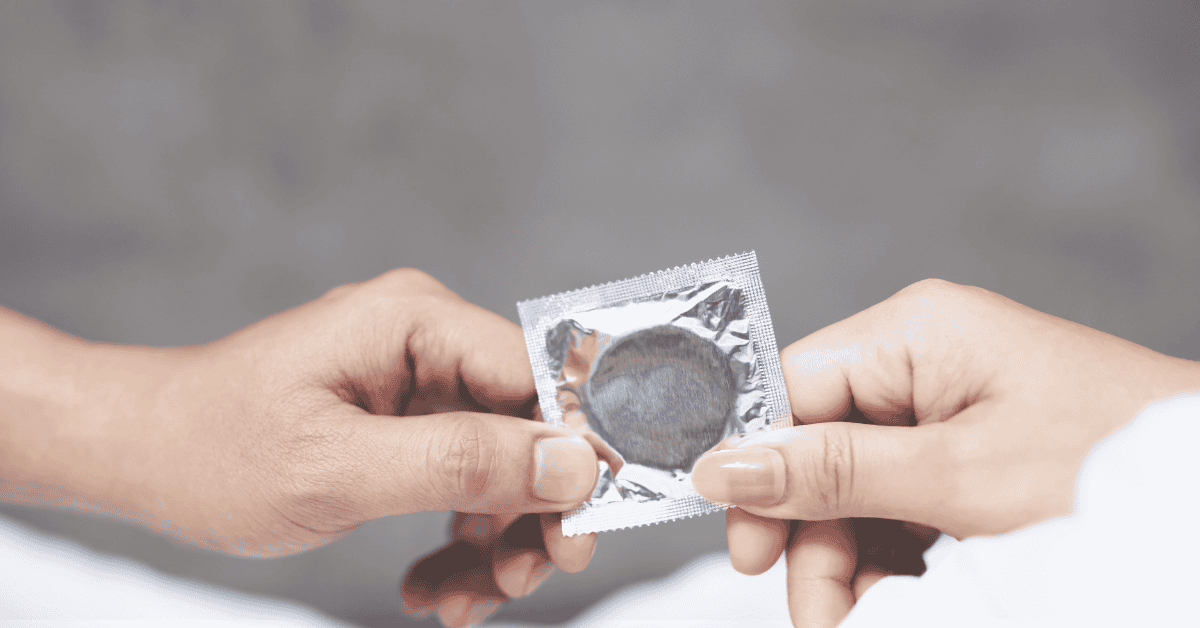
Human papillomavirus (HPV) is one of the most common sexually transmitted infections worldwide. In Singapore, HPV is a key cause of cervical cancer, anal cancer and genital warts. Many people believe that using condoms completely prevents HPV. While condoms do reduce the risk of transmission, they do not provide full protection because HPV spreads through skin-to-skin contact.
This article explains how effective condoms are against HPV, why vaccination and regular screening remain important and what you can do to lower your risk.
Back To: Women’s Sexual Health
How HPV Spreads
HPV is transmitted through intimate skin-to-skin contact, including vaginal, anal and oral sex. The virus can infect areas not covered by a condom, such as the scrotum, vulva or anus. This is why condoms reduce, but do not fully prevent, HPV transmission.
There are more than 200 types of HPV. Some low-risk types cause genital warts, while high-risk types can lead to cancers of the cervix, anus, penis, throat and vulva. In Singapore, persistent infections with high-risk HPV types cause the majority of cervical cancer cases.
How Effective Are Condoms Against HPV?
Condoms are very effective at preventing infections that spread through bodily fluids, such as HIV and chlamydia. HPV is different because it can infect skin that condoms do not cover.
Research shows that condoms can reduce the risk of HPV infection by around 60 per cent. They also lower the chance of developing HPV-related diseases like genital warts or abnormal cervical cells. However, they cannot eliminate the risk completely.
Why HPV Vaccination Matters
The HPV vaccine is the best protection against high-risk and low-risk HPV types. In Singapore, Gardasil 9 is widely available in both public and private clinics. It protects against nine HPV types that cause most cervical cancer and genital warts cases.
Even if you use condoms regularly, vaccination provides long-term protection that condoms alone cannot. Vaccination is most effective before sexual activity begins but can still benefit sexually active individuals who may not have been exposed to all HPV types.
Role of Regular Screening
HPV screening and Pap smears remain essential for early detection of cervical changes. From 2025, new guidelines in Singapore include HPV self-sampling as an alternative screening option for women.
- HPV DNA testing detects high-risk HPV strains before cell changes occur.
- Pap smears look for abnormal cells that could become cancer.
Women aged 30 to 69 are encouraged to undergo HPV screening every five years, even if vaccinated.
Protecting Yourself Beyond Condoms
Here’s how you can protect yourself more effectively:
- Get the HPV vaccine: The vaccine is most effective when given before any sexual activity begins. However, it can still offer benefits for adults. It protects against the most common high-risk HPV types that cause cancer and genital warts.
- Use condoms consistently: While not 100% effective against HPV, condoms can still lower your risk by reducing contact with infected skin and bodily fluids. They also help prevent other sexually transmitted infections (STIs).
- Go for regular screening: Regular Pap smears or HPV tests help detect abnormal changes in the cervix early, before they turn into cancer. Your doctor will recommend a screening schedule based on your age and health history.
- Limit the number of sexual partners: The more partners you have, the higher your risk of being exposed to HPV. Reducing the number of partners and knowing their sexual health status can help lower your chances of infection.
Connect with a Gynaecologist in Singapore
Condoms play an important role in reducing the spread of HPV but do not guarantee full protection. Vaccination and regular cervical screening provide the strongest defence against HPV-related cancers and genital warts.
If you have concerns about HPV prevention, vaccination or screening, consider speaking with a gynaecologist. Click the button below to connect with a specialist and get personalised advice on protecting your health.
Contact MedicalTravel.asiaBack To: Women’s Sexual Health
Related Content
Get A Comprehensive Health Screening Package
Get Medical Imaging Tests In Singapore
All content on this site is informative only and is not intended to be a substitute for professional medical advice, diagnosis, or treatment, and should never be relied upon for specific medical advice. If you are experiencing a medical emergency, call 995 immediately or go to the nearest Accident & Emergency department.
health365.sg is a member of 365Asia.