


Cancer is a word that often carries significant emotional weight, yet understanding the biological mechanics of the disease is the first step toward empowerment and informed decision-making. In the context of Singapore, where one in four individuals may develop cancer within their lifetime, having a clear, local perspective on this global health challenge is essential. This guide serves as a foundational resource to explain what is cancer – the nature of cancer, how it progresses, and the modern landscape of detection and treatment available to residents in 2026.
Concerned About Cancer? Get An Appointment With A Specialist
Contact UsBack To: Cancer Main Page
What Is Cancer And How Does It Develop In The Human Body?
At its most fundamental level, cancer is a disease of the cells. The human body is composed of trillions of cells that grow, divide, and die in a highly regulated cycle. This process is governed by DNA, the genetic “instruction manual” within every cell. Under normal circumstances, when cells become old or damaged, they receive signals to stop dividing or undergo programmed cell death.
Cancer occurs when this regulatory system breaks down. Genetic mutations—which can be inherited or acquired through environmental factors such as ultraviolet radiation, tobacco smoke, or certain viruses—cause the DNA to send incorrect instructions. Instead of dying, these damaged cells continue to multiply uncontrollably.
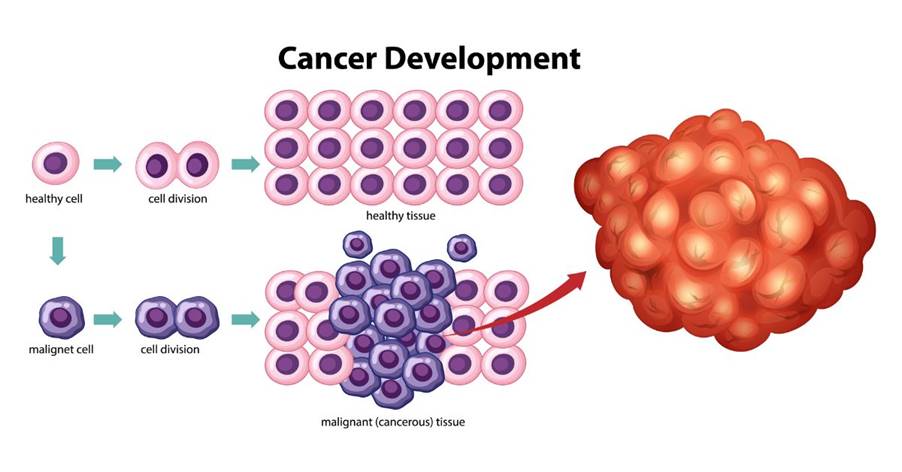
As these abnormal cells accumulate, they often form a mass known as a tumour. Because these cells do not perform the functions of healthy tissue and instead consume resources and crowd out functional cells, they interfere with the normal operations of organs and systems. In 2026, medical science views cancer not as a single disease, but as a collection of more than one hundred related diseases, each defined by the specific type of cell that has mutated.
What Are The Various Types Of Cancer Found In Humans?
Cancer is broadly categorised based on the type of tissue in which it originates. Understanding these categories helps clinicians determine the likely behaviour of the disease and the most effective treatment pathways.
Solid Tumours
Solid tumours are discrete masses of abnormal cells. These are the most common forms of cancer and are further divided into several sub-types:
- Carcinomas: These originate in the epithelial tissues that cover external and internal body surfaces, such as the skin, lungs, breast, and colon. Carcinomas are the most frequent cancer types diagnosed in Singapore.
- Sarcomas: These are rarer and begin in the connective or supportive tissues, including bones, cartilage, fat, muscle, or blood vessels.
Blood Cancers (Liquid Tumours)
Unlike solid tumours, blood cancers generally do not form distinct masses. Instead, they affect the production and function of blood cells.
- Leukaemias: These start in the blood-forming tissue of the bone marrow. They do not usually form solid tumours but rather lead to an overproduction of abnormal white blood cells.
- Lymphomas: These develop in the lymphatic system, which is part of the body’s immune defence.
- Myelomas: These begin in the plasma cells, a type of white blood cell produced in the bone marrow.
The Stages Of Cancer And Metastasis
Staging is the process of determining how much cancer is in the body and where it is located. This is a critical step in 2026 for tailoring precision medicine.
The Universal Staging System
Most cancers are staged from I to IV:
- Stage I: The cancer is small and contained within the organ where it started.
- Stage II and III: The cancer is larger and may have spread into surrounding tissues or nearby lymph nodes.
- Stage IV: The cancer has spread to distant parts of the body. This is also referred to as advanced or metastatic cancer.
What Is Metastasis?
Metastasis is the process by which cancer cells break away from the primary tumour and travel through the blood or lymphatic system to form new tumours in other organs. For example, if lung cancer spreads to the liver, it is still called metastatic lung cancer, not liver cancer, because the cells in the liver are lung cancer cells.
Why Is Early Detection And Screening Important In Singapore?
The prognosis for cancer is significantly better when the disease is identified before it has had the opportunity to spread or reach higher stages. In Singapore, the government has placed a heavy emphasis on screening through initiatives like Healthier SG.
Screening Methods
The prognosis for cancer is significantly better when the disease is identified before it has had the opportunity to spread or reach higher stages. In Singapore, the government has placed a heavy emphasis on screening through initiatives like Healthier SG, aiming to shift the focus from reactive treatment to proactive prevention.
Traditional Screening Methods
Screening refers to testing individuals who do not yet have symptoms. Common methods used in the national framework include:
- Mammograms: Low-dose X-rays used to detect breast cancer changes early, recommended for women aged 50 and above.
- Faecal Immunochemical Test (FIT) and Colonoscopy: Used to find blood in the stool or polyps within the colon to prevent colorectal cancer.
- HPV Testing and Pap Smears: Used to identify cervical cell changes or the presence of high-risk viruses in women which may lead to cervical cancer.
- Low-Dose CT Scans: Targeted screening for high-risk smokers to identify lung cancer at a stage where it remains operable.
The Emergence Of Multi-Cancer Early Detection (MCED) Tests
As we move through 2026, a significant advancement in medical technology is the availability of Multi-Cancer Early Detection (MCED) tests, often referred to as “liquid biopsies.” Unlike traditional screening which looks for a specific type of cancer (such as a mammogram for breast cancer), MCED tests are designed to screen for many different types of cancer simultaneously from a single blood draw.
These tests work by identifying “biomarkers” in the blood, such as fragments of circulating tumour DNA (ctDNA) or specific protein patterns shed by cancer cells. Because cancer cells often leak these materials into the bloodstream long before a physical tumour is large enough to be seen on a scan or felt as a lump, MCED tests offer a potential “early warning system.”
In the Singaporean clinical landscape, MCED tests are increasingly used as a complementary tool alongside national screening programmes. They are particularly useful for detecting cancers that currently lack standard screening protocols, such as pancreatic, ovarian, or liver cancers. While these tests are highly sophisticated, they are typically used to signal the need for further diagnostic investigations, rather than providing a final diagnosis on their own.
Early detection through these combined methods allows for less invasive treatments and significantly higher survival rates. Many cancers caught at Stage I in 2026 are considered highly treatable and, in many cases, curable.
How Is Cancer Diagnosed By Medical Professionals?
If screening indicates an abnormality, or if a patient presents with symptoms, doctors use several diagnostic tools:
- Physical Examination: Assessing for lumps or organ enlargement.
- Laboratory Tests: Blood or urine tests can identify biomarkers produced by certain cancers.
- Imaging Tests: CT scans, MRI, Ultrasound, and PET scans allow doctors to see the internal structures of the body.
- Biopsy: This is the only definitive way to diagnose cancer. A small sample of tissue is removed and examined under a microscope by a pathologist to identify the presence of cancerous cells and their specific genetic makeup.
What Are The Traditional And Modern Treatment Methods Available?
The landscape of cancer treatment in Singapore has evolved rapidly. While traditional methods remain the backbone of therapy, new technologies have expanded the options for patients.
Traditional Core Treatments
- Surgery: The physical removal of the tumour and some surrounding healthy tissue. It is most effective for localised solid tumours.
- Radiotherapy: The use of high-energy particles (such as X-rays) to destroy cancer cells by damaging their DNA.
- Chemotherapy: The use of powerful drugs to kill rapidly dividing cells throughout the whole body.
Modern And Emerging Technologies
- Proton Therapy: A more precise form of radiation therapy that uses protons instead of X-rays. This allows doctors to target the tumour more accurately, sparing the surrounding healthy tissue from damage, which is especially vital for tumours near sensitive organs like the brain or spine.
- Targeted Therapy: Unlike chemotherapy, which attacks all fast-growing cells, targeted therapy focuses on specific proteins or genes that allow cancer cells to grow and survive.
- Immunotherapy: A breakthrough treatment that helps the immune system of the patient recognise and attack cancer cells.
- Precision Medicine: This involves testing the genetic profile of the tumour to select the treatment that is most likely to work based on the specific mutations of the individual.
Who Are The Specialists Involved In Cancer Care?
Cancer care usually involves a multidisciplinary team. This includes Medical Oncologists (who manage drug treatments), Surgical Oncologists (who perform operations), and Radiation Oncologists (who manage radiotherapy).



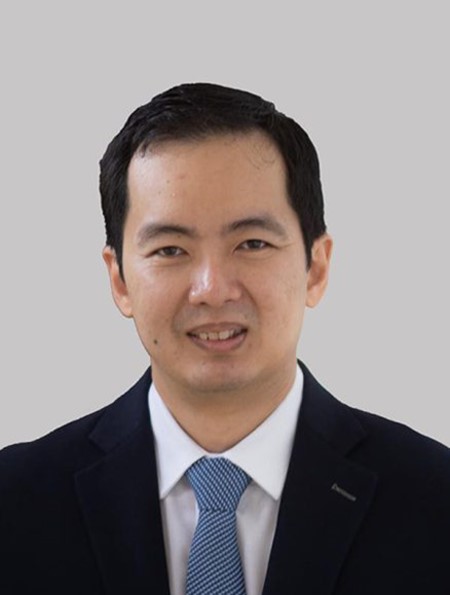
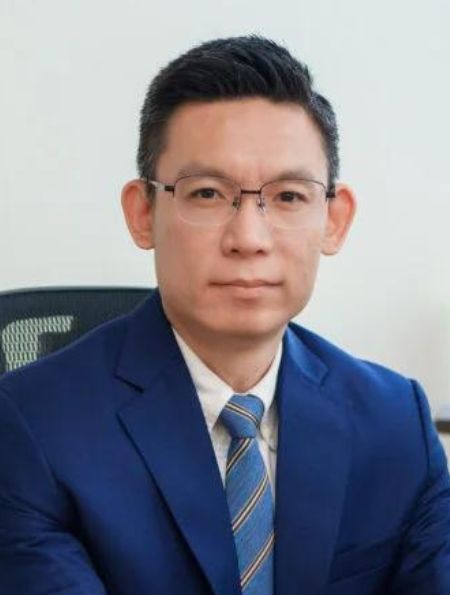
Dr Tan Wee Boon
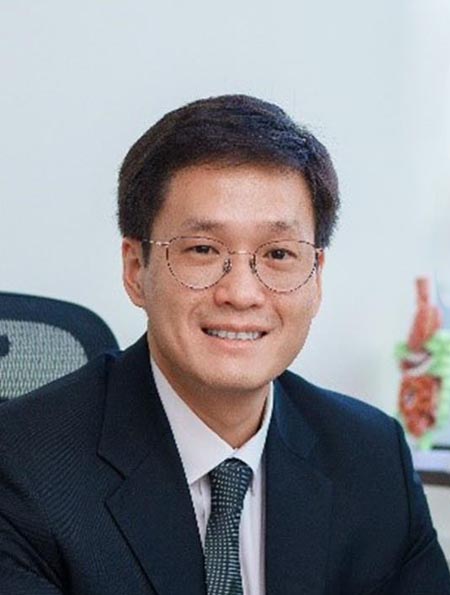
Dr Kim Guowei
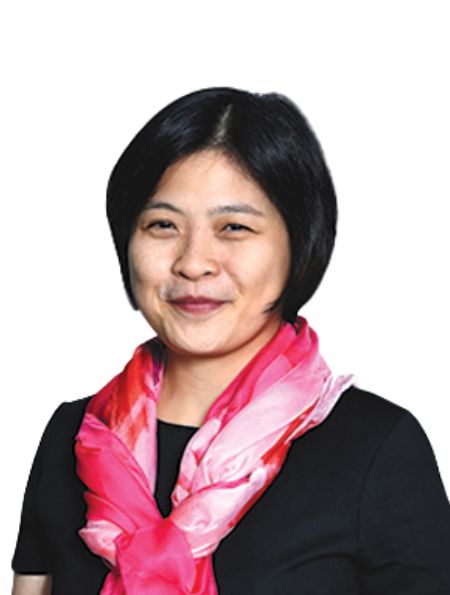
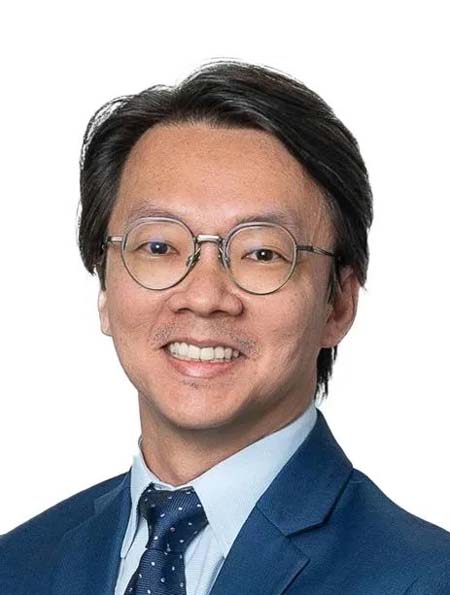
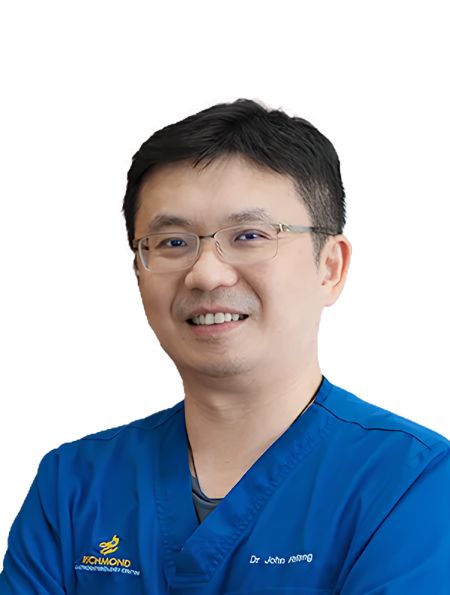

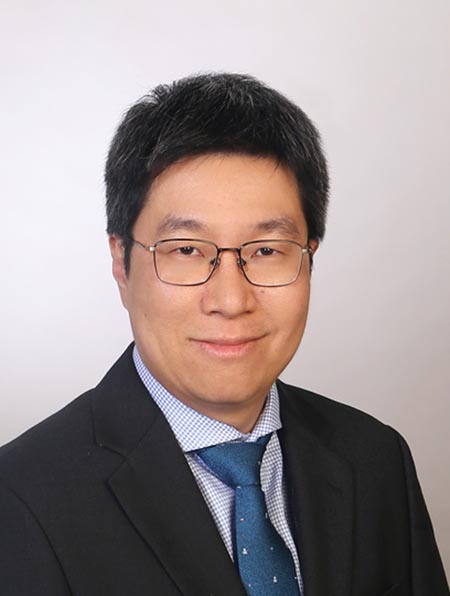

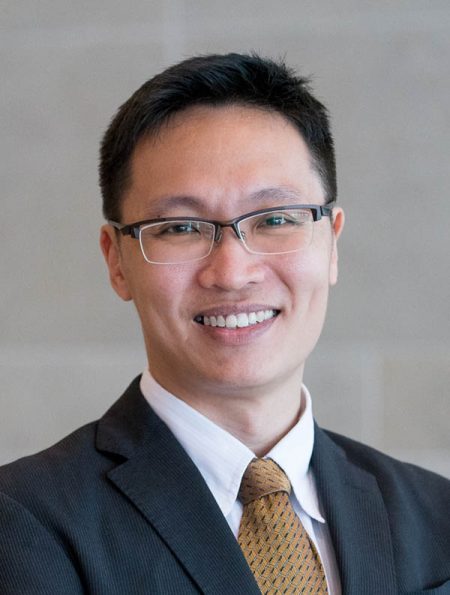
Dr Chong Choon Seng 张峻诚医生
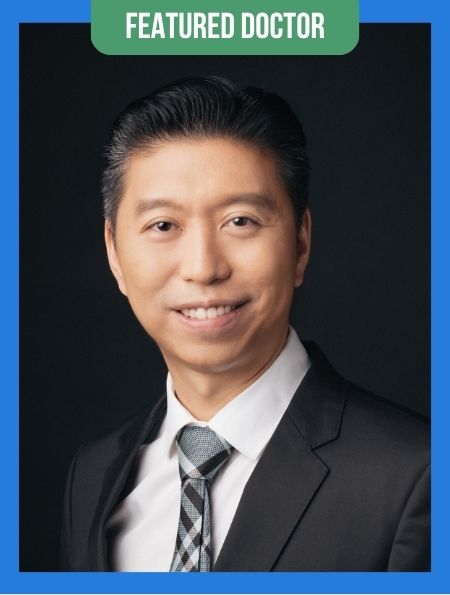
[SG] Featured Doctor- Dr Kevin Koo
For a list of our other Preferred Doctors who can assist with your journey, please visit our page on Health365 Preferred Doctors.
Get An Appointment
If you have concerns about cancer and wish to get an appointment with a medical specialist for consultation, we can help. Contact us via the button below.
Contact UsBack To: Cancer Main Page
Frequently Asked Questions About Cancer
No, cancer is not a contagious disease. You cannot catch cancer from someone else through physical contact, kissing, or sharing meals. While some viruses like HPV or Hepatitis B can increase the risk of developing certain cancers, the cancer itself does not spread from person to person.
There is no definitive scientific evidence that stress directly causes the genetic mutations required for cancer. However, chronic stress can lead to unhealthy lifestyle habits, such as smoking or poor diet, which are known risk factors. Managing stress is important for overall health and recovery.
Cancer is often the result of a combination of factors including genetics, environment, and sheer biological chance. As cells divide throughout a lifetime, random “copying errors” in DNA can occur. Even with a perfect lifestyle, these random mutations can sometimes lead to cancer, which is why regular screening is essential for everyone.
All content on this site is informative only and is not intended to be a substitute for professional medical advice, diagnosis, or treatment, and should never be relied upon for specific medical advice. If you are experiencing a medical emergency, call 995 immediately or go to the nearest Accident & Emergency department.
health365.sg is a member of Group 365Asia.