

Cracked Tooth & Endodontic Treatment: The Big Story

Cracked Tooth - Saving It With Endodontic Treatment
Our modern lifestyle brings increasing levels of stress, yet at the same time, advances in medicine allows people to live longer, and preserve their teeth longer as well. The result? People expose their teeth to many more years of habits that increases the chances of a cracked tooth. These include jaw clenching, teeth grinding, and chewing on hard objects.
Types Of Cracked Tooth
- Craze Lines – Tiny, shallow cracks in the enamel; common with age and usually painless.
Images Source: Advent Endodontics.
- Fractured Cusp – A piece of the tooth cusp breaks off, often around a large filling.
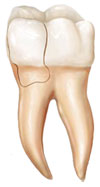
- Cracked Tooth – An incomplete fracture running from the chewing surface towards the root, without full separation.
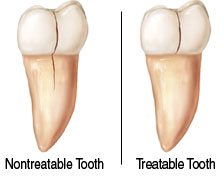
- Split Tooth – A complete fracture splitting the tooth into two distinct parts.
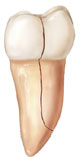
- Vertical Root Fracture – A crack starting in the root and extending upward, often hidden below the gum.
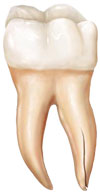
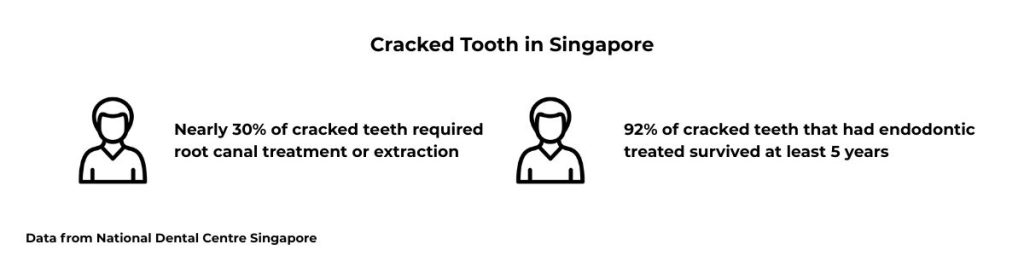
What Are The Possible Complications From A Cracked Tooth?
A cracked tooth can give rise to several complications if not diagnosed and managed promptly:
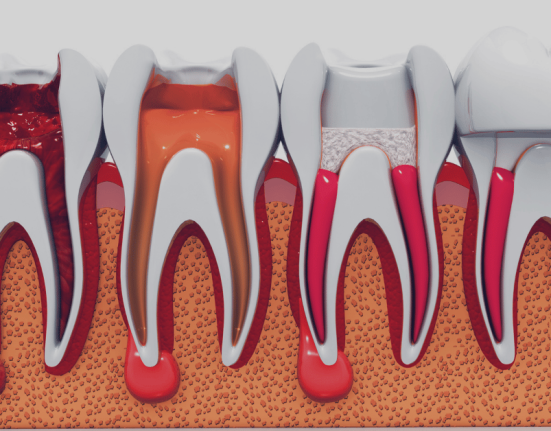
- Microbial entry through the crack may lead to pulpal inflammation, progressing to irreversible pulpitis or necrosis. Root canal treatment may be needed if this happens.
- Untreated cracks can deepen and propagate, resulting in vertical root fractures. This may make the tooth unrestorable and require extraction. Patients may also experience persistent pain, hypersensitivity to temperature changes, or swelling.
- Structural weakening increases risk of cusp or root fracture during function or restorative procedures.
- Incomplete fractures masked by restorations may delay detection, leading to chronic infection.
Who Is At Risk For A Cracked Tooth?
These are the risk factors:
- Older adults – higher prevalence due to cumulative wear and occlusal stresses, and age-related dentine changes make teeth more brittle.
- Patients with large restorations or endodontically treated teeth – weakened tooth structure increases susceptibility.
- Bruxism patients – people who involuntarily grinds, clenches, or gnashes their teeth.
- People whose bite and chewing patterns place extra stress on their teeth – eg people whose teeth are not aligned properly when the jaws close, or who exert strong chewing forces.
- People with cast posts or non-homogeneous fillings – creates stress concentration within roots.
- Trauma history – direct injuries predispose to crack propagation.
- Occupational/behavioural habits – such as chewing hard objects (ice, pens, nuts) or clenching during stress.
What Are Symptoms Of A Cracked Tooth And How Is It Diagnosed?
Symptoms
A cracked tooth does not always cause obvious pain, which is why many people overlook it until the damage worsens. Common symptoms of a cracked tooth include:
- Sharp pain when biting or chewing, especially when releasing pressure.
- Sensitivity to hot, cold, or sweet foods and drinks.
- Intermittent toothache that comes and goes without warning.
- Swelling of the gum around the tooth.
- A feeling that the tooth is “loose” or uneven when biting down.
Because these signs can mimic other dental problems, professional diagnosis is essential.
Diagnosis
Dentists use a combination of techniques to identify cracks that may not be visible to the naked eye. These include:
- Visual examination with magnification and bright light.
- Bite tests, where pressure is applied to reproduce symptoms.
- Transillumination, shining a special light through the tooth to reveal hidden cracks.
- Dental dye or staining, which helps outline fine fractures.
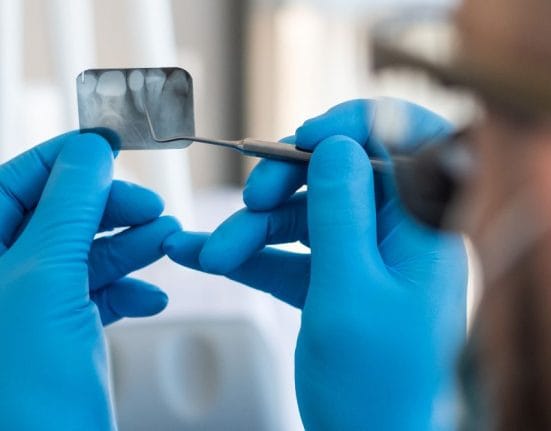
- X-rays or 3D imaging (Cone Beam CT scans), used to rule out other causes, though small cracks may not always appear on standard X-rays
Early diagnosis makes a big difference. Treating a cracked tooth promptly can prevent further damage, protect the nerve inside, and in many cases, save the natural tooth from extraction.
What Are The Treatments For A Cracked Tooth?
Treatment for cracked teeth depends on the nature of the crack:
Craze Lines
Craze lines are very shallow, cause no pain, and typically no treatment is required,
Fractured Cusp
A fractured cusp rarely damages the pulp, so root canal treatment is seldom needed. Your tooth will usually be restored with a full crown by your dentist.
Cracked Tooth
A cracked tooth is not completely separated into two distinct segments. Damage to the pulp is common. and root canal treatment is frequently needed to treat the injured pulp. A crown will be installed to hold the pieces of the cracked tooth together and protect it. If the crack extends below the gingival tissue line, extraction of the tooth will be required.
A cracked tooth that is not treated will progressively worsen, eventually resulting in the loss of the tooth.
Split Tooth
A split tooth cannot be saved intact. The position and extent of the crack will determine if the entire tooth has to be extracted. In rare instances, endodontic treatment and a crown or other restoration by your dentist may be used to save a portion of the tooth.
Vertical Root Fracture
Vertical root fracture treatment may involve extraction of the tooth. Endodontic surgery is sometimes appropriate if a portion of the tooth can be saved by removal of the fractured root.
Learn More About Endodontic Treatments
Comment: The row below to be moved to article for healthcare professionals article
Find A Doctor
Verified Healthcare Professionals
We connect you with a network of qualified and experienced doctors who specialise in chronic health conditions, health screening, and longevity.
Trusted Information Source
We pride ourselves on providing accurate, up-to-date, and evidence-based information about each disease, its prevention, and treatment.
Privacy and Security
Your health information and personal data are paramount to us. We will protect your privacy throughout the booking process and beyond.
Convenience at Your Fingertips
Our user-friendly platform allows you to find and book appointments 24/7 from the comfort of your home.
Our Preferred Doctors You Can Consider

Book An Appointment For Treatment
Take a proactive step for your health and peace of mind today. If you need to see a doctor about this condition or your health risks, our team is here to assist.
Financials
[findDoctor category="financial consultants" countries="Singapore" " limit="15"]
Related Content



FAQs About Cracked Tooth And Endodontic Treatment
No, a cracked tooth cannot heal by itself. Unlike bone, tooth enamel and dentine do not regenerate. Once a crack forms, it can only worsen over time. Early dental treatment is essential to prevent the crack from spreading and to save the tooth.
If left untreated, a cracked tooth may lead to worsening pain, infection of the pulp, or even a vertical root fracture that makes the tooth unsalvageable. In severe cases, untreated cracks can result in abscesses and tooth loss.
An endodontist is a dentist who specialises in diagnosing and treating issues related to the inside of the tooth, particularly the pulp and root canals. They have advanced training and expertise in performing root canal procedures, which often involve complex cases. If your situation requires more intricate treatment, such as a retreatment or surgery, an endodontist is highly skilled in handling these specialised procedures, ensuring the best possible outcome for your dental health.
Additional Resources
Cracked Teeth | Advent Endodontics
Endodontic Surgery – Conditions & Treatments | National Dental Centre Singapore.
Endodontic Surgery | National Dental Centre Singapore.
Root Canal Treatment | National Health Service (NHS), UK.
- Root Canal | Kent Community Health NHS Foundation Trust, UK.
.