

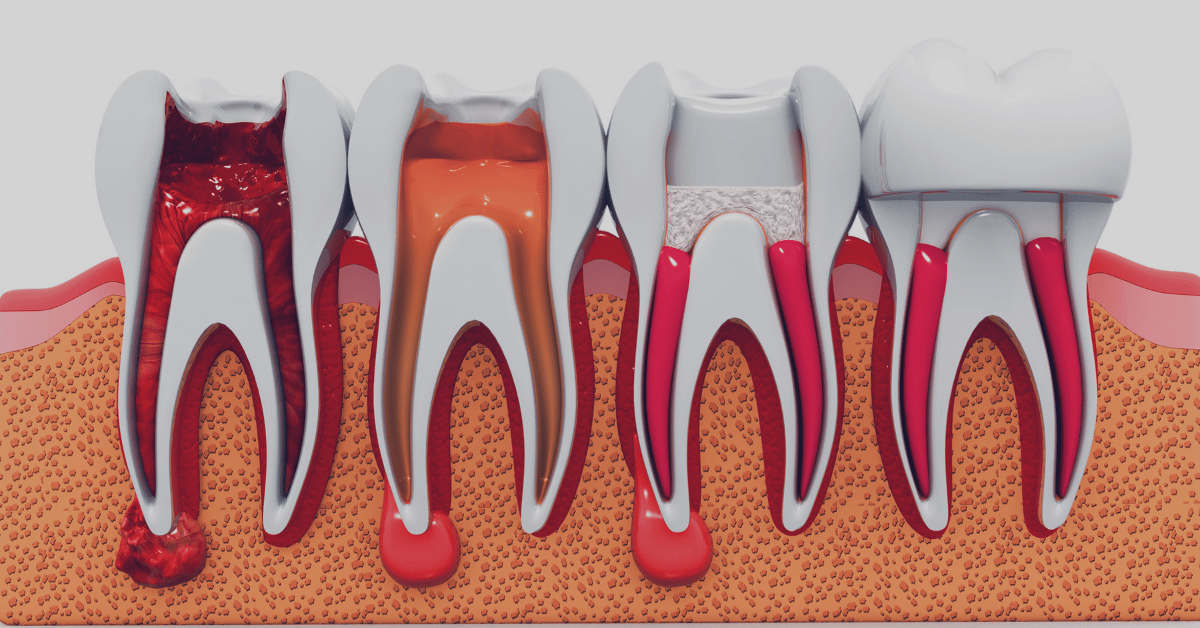
If you’ve recently undergone or are considering a root canal and crown procedure in Singapore, you might be wondering how they work together — and why both are often necessary. A root canal, also known as endodontic treatment, is designed to save a damaged or infected tooth. Meanwhile, a dental crown acts as a protective shell that restores strength and function.
Learning how the two procedures work together empowers you to make informed decisions about your oral health. In this article, we explain what each procedure involves, why a crown usually follows a root canal, and what you can expect before, during, and after treatment.
Endodontics – Root Canal Treatments In Singapore
Schedule an Appointment with an Endodontist
What Is a Root Canal Treatment?
A root canal treatment removes the infected or inflamed pulp from inside the tooth. This pulp contains nerves and blood vessels that can cause intense pain or lead to abscesses when infected. After removing the pulp, the endodontist cleans, disinfects, and seals the space.
This treatment is commonly performed to:
- Treat severe tooth decay
- Address trauma-related damage
- Stop infection from spreading
Removing the tooth’s nerve keeps the outer structure intact and the tooth functional, but the tooth becomes vulnerable without additional protection.
What Is a Dental Crown?
A dental crown is a custom-made cap that fits over your tooth to restore its natural shape, strength, and appearance. Endodontists often recommend a crown after a root canal to protect the treated tooth from cracking or breaking.
They make crowns from durable materials like porcelain, ceramic, or zirconia, and colour-match them to your natural teeth for a seamless look.
How Are They Related?
A root canal and crown often go hand in hand. After the root canal removes the internal pulp and weakens the tooth structure, the crown provides the strength and durability needed to prevent further damage.
Patients frequently ask:
- “Do I need a crown after a root canal?”
Yes — in most cases, a crown is strongly advised, especially for back teeth (molars and premolars) which endure the most pressure during chewing. - “Can I eat after a root canal without a crown?”
You can eat soft foods with care, but the tooth remains fragile. Delaying a crown increases the risk of the tooth cracking, which may result in extraction.
How Long After a Root Canal Should You Get a Crown?
Timing is crucial. Ideally, your dental crown should be placed within two weeks after the root canal. Waiting too long can expose the tooth to fractures or reinfection.
Your dentist may place a temporary filling or temporary crown immediately after the root canal to protect the area until your permanent crown is ready.
Key Differences Between Root Canal and Crown
Feature | Root Canal Treatment | Dental Crown |
Purpose | Removes infected pulp and preserves the tooth | Restores strength and protects the tooth |
Location | Inside the tooth | Covers the entire outer surface |
Invasiveness | Involves drilling into the tooth | Involves reshaping the tooth surface |
Recovery time | Mild discomfort for a few days | Minimal discomfort, usually same-day relief |
Durability | Requires external support | Lasts 10–15 years with proper care |
Why Is a Crown Needed After Root Canal?
A tooth that has undergone a root canal is no longer alive and may become brittle over time. A crown after root canal treatment helps to:
- Protect the tooth from fractures
- Restore full chewing function
- Prevent reinfection
- Improve appearance if the tooth is discoloured
Front teeth may sometimes avoid crowns if the bite pressure is low, but molars almost always need them.
Can You Eat After a Root Canal Without a Crown?
Technically, yes — but only soft foods and with extreme caution. Chewing hard foods can cause fractures. Until a crown is placed, avoid:
- Nuts and hard candies
- Chewing gum
- Biting directly into apples or crusty bread
If you’re waiting for your crown fitting, eat on the opposite side of your mouth and follow your dentist’s advice carefully.
Considering a Root Canal and Crown in Singapore?
The root canal and crown combination is a proven solution for saving damaged teeth and avoiding extractions. While the root canal removes the infection and preserves the tooth, the crown strengthens and protects it for years to come. If you’re planning to get a root canal and crown in Singapore, speak with a trusted endodontist. Getting the treatment done early and by the right hands makes all the difference. Click the button below for an introduction to a trusted endodontist and restore your smile with confidence.
Endodontics – Root Canal Treatments In Singapore
All content on this site is informative only and is not intended to be a substitute for professional medical advice, diagnosis, or treatment, and should never be relied upon for specific medical advice. If you are experiencing a medical emergency, call 995 immediately or go to the nearest Accident & Emergency department.
health365.sg is a member of Group 365Asia.