


Crohn’s disease is a lifelong inflammatory disorder that affects the digestive tract, causing discomfort, pain, and disruptions to daily life. While the condition cannot yet be cured, modern medicine has made significant progress in managing it. In Singapore, patients have access to a wide range of advanced Crohn’s disease treatment options — from medication and nutrition therapy to minimally invasive surgery.
This article explores the various treatment pathways available in Singapore, their advantages and limitations, and how patients can make informed decisions about managing their condition.
Consult A Gastroenterologist
Contact UsBack To: Colorectal Cancer & Other Conditions Main Page
What Is Crohn’s Disease?
Crohn’s disease is part of a group of conditions known as Inflammatory Bowel Diseases (IBD). It occurs when the immune system reacts abnormally to the digestive tract, causing inflammation that can affect any part of the gastrointestinal (GI) system, from the mouth to the anus.
The most common areas affected are the ileum (the end of the small intestine) and the colon. Inflammation can lead to symptoms such as diarrhoea, abdominal pain, fatigue, and unintended weight loss. Because the disease can vary widely in severity, Crohn’s disease treatment needs to be personalised based on each patient’s condition, overall health, and response to previous therapies.
Medical Management: The First Line Of Crohn’s Disease Treatment
For most patients in Singapore, doctors begin with medical management to reduce inflammation, control symptoms, and maintain remission.
1. Anti-Inflammatory Drugs
The first step in Crohn’s disease treatment often involves aminosalicylates such as mesalazine, which help calm intestinal inflammation. They are usually prescribed for mild to moderate cases and have relatively few side effects.
2. Corticosteroids
When inflammation flares up, corticosteroids like prednisolone or budesonide are prescribed for short-term relief. These drugs act quickly but are not suitable for long-term use due to potential side effects such as weight gain and high blood pressure.
3. Immunosuppressants
If symptoms persist, immunosuppressive drugs such as azathioprine or methotrexate may be used. These medications dampen the immune response that triggers inflammation, helping to maintain remission for longer periods.
4. Biologic Therapies
Singapore’s healthcare system offers access to biologic therapies — a modern class of drugs that target specific immune pathways. These include anti-TNF agents (e.g., infliximab, adalimumab) and integrin inhibitors. Biologics have shown high effectiveness in reducing inflammation and promoting intestinal healing, especially in patients who do not respond to traditional medications.
5. Antibiotics
In some cases, antibiotics like metronidazole or ciprofloxacin are prescribed to manage infections or complications such as abscesses and fistulas, which can occur in Crohn’s disease.
Nutritional And Lifestyle Therapy
Diet plays a key role in Crohn’s disease management. In Singapore, gastroenterologists often work with dietitians to develop personalised nutrition plans aimed at reducing inflammation and preventing nutrient deficiencies.
- Exclusive Enteral Nutrition (EEN): Particularly effective for children and adolescents, EEN involves replacing regular meals with special liquid formulas to give the intestines time to heal.
- Low-FODMAP Diet: Some patients benefit from reducing foods that ferment in the gut, such as certain fruits, dairy, and grains.
- Lifestyle Adjustments: Quitting smoking, maintaining hydration, and managing stress through mindfulness or yoga can also support treatment outcomes.
Our Preferred Doctors (Gastroenterologist) In Singapore

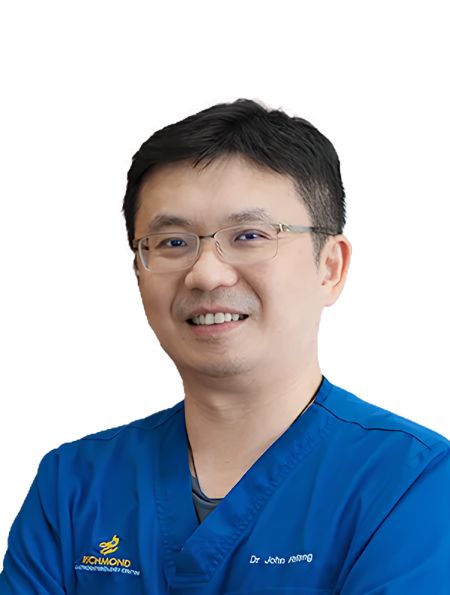


[SG] Featured Doctor- Dr Kevin Koo
Surgical Options For Crohn’s Disease Treatment
When medications fail to control inflammation or complications arise, surgery may be recommended.
Common surgical procedures include:
- Resection: Removing the diseased portion of the intestine and reconnecting healthy sections.
- Strictureplasty: Widening narrowed areas of the intestine without removing tissue.
- Abscess Drainage or Fistula Repair: Managing infections and abnormal connections in the bowel.
Minimally invasive laparoscopic techniques are now widely available in Singapore, resulting in faster recovery and shorter hospital stays.
Our Preferred Doctors (Colorectal Surgeons) In Singapore
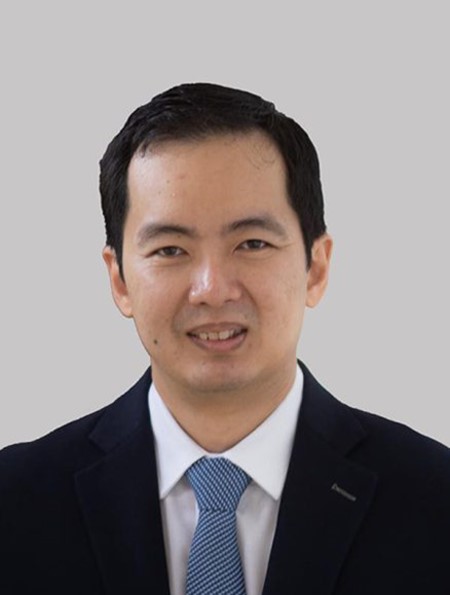
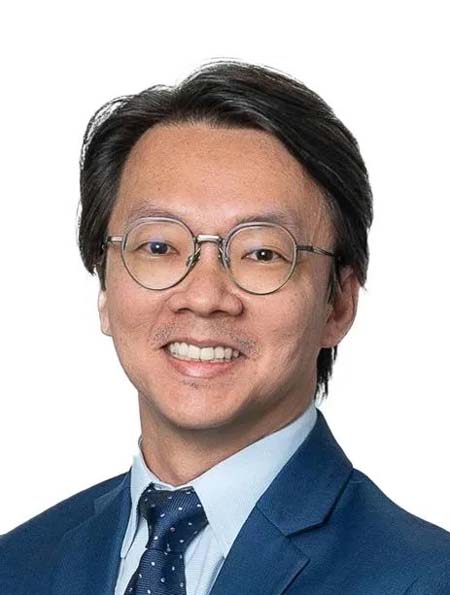
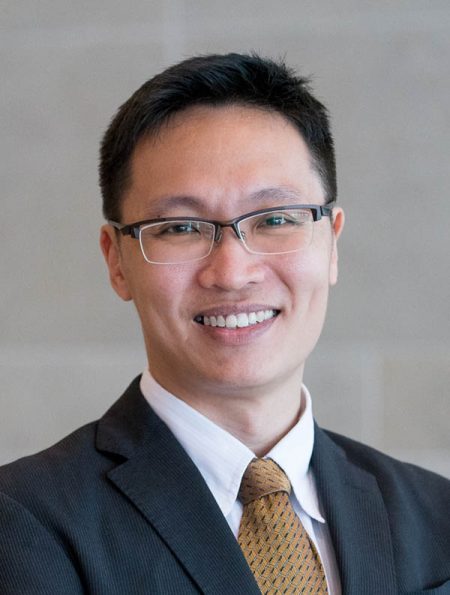
Dr Chong Choon Seng 张峻诚医生
[SG] Featured Doctor- Dr Kevin Koo
Access To Crohn’s Disease Treatment In Singapore
Singapore offers world-class healthcare facilities with multidisciplinary IBD teams comprising gastroenterologists, surgeons, dietitians, and psychologists. Treatments are available in both public hospitals and private clinics, and insurance coverage may vary depending on the plan.
For expatriates and international patients, medical tourism options also exist, allowing access to experienced specialists and comprehensive care packages.
Future Directions In Crohn’s Disease Treatment
Research in Singapore and around the world continues to explore new biologic agents and personalised medicine. Emerging therapies such as stem cell treatment and microbiome-based interventions show promise in improving long-term remission rates and reducing dependency on steroids.
These advancements represent hope for more targeted, less invasive management of Crohn’s disease in the near future.
Get An Appointment With A Gastroenterologist
Crohn’s disease can be challenging to live with, but effective Crohn’s disease treatment options in Singapore allow most patients to manage their condition successfully. From cutting-edge biologic therapies to nutritional support and surgery, the focus is on improving quality of life and preventing complications.
If you experience persistent digestive symptoms or have been recently diagnosed, consult a qualified gastroenterologist in Singapore. Early intervention and a personalised treatment plan are key to long-term health and well-being.
Contact UsBack To: Colorectal Cancer & Other Conditions Main Page
All content on this site is informative only and is not intended to be a substitute for professional medical advice, diagnosis, or treatment, and should never be relied upon for specific medical advice. If you are experiencing a medical emergency, call 995 immediately or go to the nearest Accident & Emergency department.
health365.sg is a member of Group 365Asia.