


The pursuit of a refreshed and youthful appearance has evolved significantly over the last few decades. While traditional methods often focused on pulling the skin tight, modern surgical techniques have shifted towards more sophisticated approaches that respect the underlying anatomy of the face. Amongst these advancements, the Deep Plane Facelift has emerged as a premier choice for individuals seeking comprehensive facial rejuvenation. This procedure addresses the root causes of ageing by repositioning deeper structural tissues rather than merely redraping the skin. Consequently, patients can look younger without the “operated-on” or “windblown” appearance that was once commonly associated with facial surgery.
Contact UsBack To: Medical Aesthetics Main Page
Understanding The Mechanics Of Facial Ageing
To appreciate the efficacy of the Deep Plane Facelift, it is essential to understand how the face ages. Over time, the effects of gravity, the loss of subcutaneous fat, and the weakening of fibrous attachments lead to a downward migration of facial tissues. This process manifests as sagging jowls, deepening nasolabial folds (the lines between the nose and mouth), and a loss of definition along the jawline and neck.
In a traditional facelift, surgeons primarily manipulate the Superficial Musculo-Aponeurotic System (SMAS) by pulling and suturing it. While effective to a certain degree, this method can sometimes place excessive tension on the skin, leading to visible scarring or an unnatural facial contour. In contrast, the Deep Plane Facelift enters a deeper anatomical space located beneath the SMAS layer. By releasing the natural ligaments that tether the deep tissues, the surgeon can lift the entire composite of muscle and fat as a single unit.
What Are The Advantages Of Deep Plane Facelift
The primary appeal of the Deep Plane Facelift lies in its ability to produce exceptionally natural results. Because the tension is placed on the deep structural layers rather than the skin, the surface of the face remains soft and mobile. This technique is particularly effective for several reasons:
- Mid-Face Elevation: Unlike traditional methods, the deep plane approach allows for significant lifting of the malar (cheek) fat pads. This restores volume to the mid-face and smoothens the transition between the lower eyelid and the cheek.
- Improved Jawline Definition: By releasing the mandibular ligaments, the surgeon can more effectively address heavy jowling, creating a crisp and youthful jawline.
- Longevity of Results: Because the structural tissues are physically repositioned and the tension is distributed deeply, the results of a Deep Plane Facelift often last longer than those of more superficial techniques.
- Reduced Skin Tension: Avoiding excessive pull on the skin reduces the risk of widened scars and preserves the natural shape of the ears and hairline.
What Are The Potential Risks Of Deep Plane Facelift
As with any major surgical intervention, the Deep Plane Facelift carries specific risks that patients must consider. Common side effects include:
- Temporary swelling, bruising, and a sensation of tightness around the neck and jawline
- More significant complications, though less frequent when performed by an experienced surgeon, can include haematoma (a collection of blood under the skin), infection, or delayed wound healing, particularly in individuals who smoke.
- Risk of injury to branches of the facial nerve, which could lead to temporary or, in extremely rare cases, permanent muscle weakness.
- Possible for patients to experience prolonged numbness around the ears or cheeks as the sensory nerves recover.
You should speak to your surgeon to thoroughly understand the risks of this surgical procedure before committing to it.
The Surgical Process And Recovery
The Deep Plane Facelift is typically performed under general anaesthesia or deep sedation. The incisions are meticulously placed around the natural contours of the ear and into the hairline to ensure they remain as discreet as possible. Once the deep plane space is accessed, the surgeon carefully releases the retaining ligaments. This release is the “secret” to the mobility of the lift, allowing the tissues to be moved vertically into a more youthful position without resistance.
Post-operative recovery is a critical phase of the journey towards facial rejuvenation. Patients should expect some degree of swelling and bruising, which generally peaks within the first three to five days. Most individuals feel comfortable returning to social activities within two to three weeks, although subtle swelling may persist for several months. It is imperative to follow all post-surgical instructions provided by the medical team to ensure optimal healing and to minimise the risk of complications such as haematoma or infection.
Is This Procedure Right For You?
The decision to undergo a Deep Plane Facelift should be made after a thorough consultation with a qualified professional. Ideal candidates are typically individuals in their 40s to 70s who exhibit significant facial sagging, loss of cheek volume, and heavy jowling but remain in good overall health. It is also essential for patients to have realistic goals; surgery can make you look younger and more refreshed, but it cannot stop the biological process of ageing entirely.
During a consultation, the medical professional will evaluate your facial anatomy, skin elasticity, and medical history. This is also the appropriate time to discuss the potential risks, which include but are not limited to, temporary numbness, scarring, and the rare possibility of nerve weakness.
Our Preferred Doctors (Plastic Surgeon) For Surgical Facelift
If you are considering a Deep Plane Facelift, you can consider our Preferred Doctors:
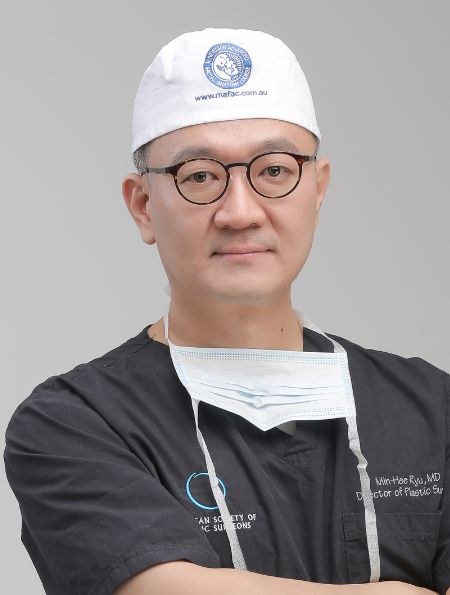
- Dr Minhee Ryu is a highly regarded specialist in facial rejuvenation who is noted for his meticulous approach to the Deep Plane Facelift, focusing on restoring structural harmony rather than merely tightening the skin. Patients often seek his expertise to achieve a naturally refreshed appearance that avoids the artificial look sometimes associated with traditional surgical techniques.


[SG] Featured Doctor- Dr Kevin Koo
Contact Us For An Appointment With A Plastic Surgeon
Navigating the various options for facial rejuvenation can be a complex process. If you are considering a Deep Plane Facelift and wish to understand how this procedure may align with your aesthetic goals, you may wish to consult with a qualified plastic surgeon. Click on the button below for assistance to schedule a comprehensive consultation. Taking the first step towards a more refreshed version of yourself starts with expert guidance and a personalised treatment plan.
Contact UsBack To: Medical Aesthetics Main Page
Frequently Asked Questions
While every patient heals at a different rate, most individuals can expect to return to non-strenuous work and social activities within two to three weeks. Significant swelling and bruising usually subside by the fourteenth day, though it may take several months for the final contours to settle completely. We recommend avoiding vigorous exercise for at least four to six weeks to ensure the internal tissues heal without undue strain.
The primary goal of the deep plane technique is to avoid the “pulled” or “windblown” look associated with older facelift methods. By lifting the deeper muscle and fat layers rather than just stretching the skin, the procedure restores volume and position naturally. This allows for a more youthful appearance that maintains your unique facial expressions and character.
While a Deep Plane Facelift effectively “sets back the clock” by repositioning sagging tissues, it cannot stop the natural biological ageing process. Most patients find that they continue to look younger than they would have without the surgery for ten to fifteen years. Maintaining a healthy lifestyle and adhering to a professional skincare regimen can help preserve the longevity of your facial rejuvenation.
All content on this site is informative only and is not intended to be a substitute for professional medical advice, diagnosis, or treatment, and should never be relied upon for specific medical advice. If you are experiencing a medical emergency, call 995 immediately or go to the nearest Accident & Emergency department.
health365.sg is a member of Group 365Asia.