


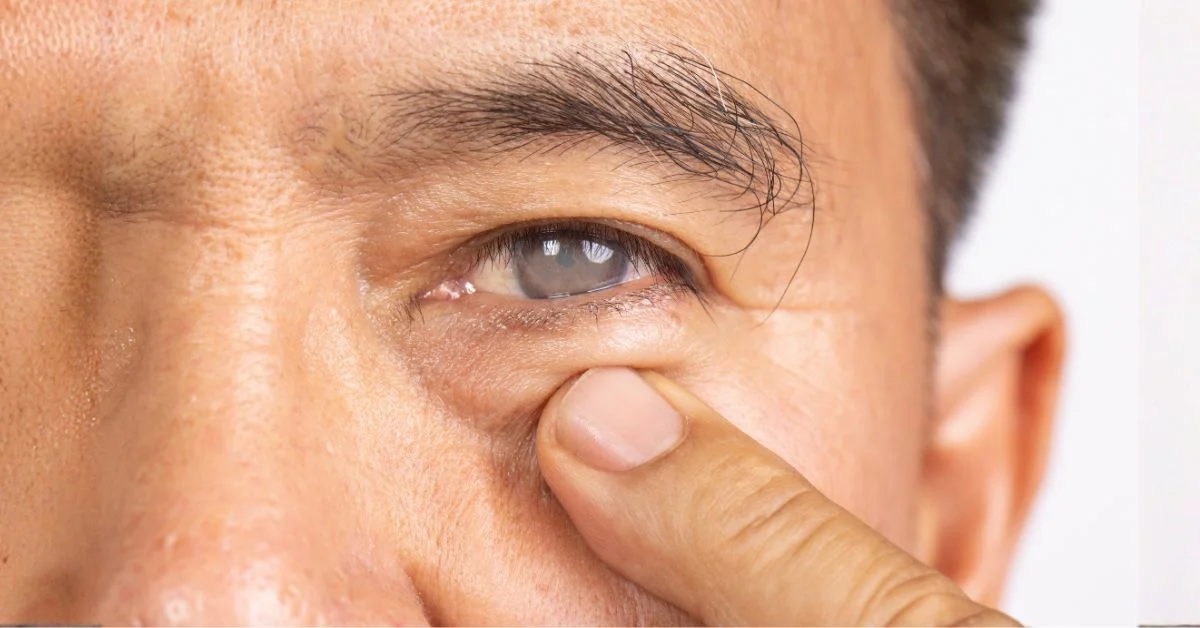
Diabetic eye disease is one of the leading causes of vision loss among adults in Singapore. For people living with diabetes, consistently high blood sugar levels can damage the delicate blood vessels in the eyes. This often happens silently and without early warning. Understanding when surgery becomes necessary can help you take proactive steps to protect your sight.
Contact UsWhat Is Diabetic Eye Disease?
Diabetic eye disease is a group of eye conditions that can affect people with diabetes. The most common forms include:
- Diabetic retinopathy – damage to the retina’s blood vessels, leading to leakage, swelling, or bleeding.
- Diabetic macular oedema (DMO) – swelling of the central retina, causing blurred vision.
- Cataracts – clouding of the lens at an earlier age in diabetics.
- Glaucoma – increased eye pressure that damages the optic nerve.
In Singapore, where diabetes affects more than 11% of adults, diabetic retinopathy is a common health concern.
When Do These Conditions Require Surgery?
Not every diabetic eye condition requires surgery. In the early stages, blood sugar control, eye injections, and laser therapy can help stabilise vision. Surgery becomes necessary when:
- There is severe bleeding in the eye (vitreous haemorrhage) blocking vision.
- The retina detaches due to scar tissue formation (tractional retinal detachment)
- The macula becomes severely swollen despite medication.
- There is persistent eye pressure not relieved by eye drops.
If left untreated, these complications can lead to permanent vision loss. Your ophthalmologist will evaluate whether surgery is needed based on imaging scans and visual symptoms.
What Surgical Options Are Available In Singapore?
1. Vitrectomy
A vitrectomy is performed to remove the vitreous gel from the eye so that abnormal scar tissues can be removed, abnormal blood vessels can be controlled and blood can be cleared. Removal of membranes (scar tissue) that are attached to the retinal surface allows the retina to settle back into position and restores visual function. It is commonly used in advanced diabetic retinopathy.
2. Cataract Surgery
Diabetics often develop cataracts earlier. Modern phacoemulsification techniques allow safe lens removal and replacement with artificial lenses, improving sight significantly.
3. Glaucoma Surgery
If diabetic eye disease raises intraocular pressure, surgical options like trabeculectomy or minimally invasive glaucoma surgery (MIGS) may be performed.
All these procedures are available in Singapore hospitals and specialist eye centres.
How Can You Prevent Severe Diabetic Eye Disease?
The best protection is early detection. Steps include:
- Regular eye screening – at least once a year for all diabetics.
- Good diabetes management – controlling blood sugar, cholesterol, and blood pressure.
- Healthy lifestyle habits – maintaining a balanced diet and exercise routine.
- Avoiding smoking – tobacco accelerates retinal damage.
Our Preferred Doctors (Ophthalmologist) For Treatment Of Diabetic Eyes



[SG] Featured Doctor- Dr Kevin Koo
When Should You See An Ophthalmologist?
Seek professional help immediately if you experience:
- Sudden blurred or distorted vision
- Dark spots, floaters, or flashes
- Partial or total loss of sight
An early appointment with an ophthalmologist familiar with diabetic eye disease can make the difference between reversible and permanent vision loss.
Contact UsPreferred Doctor: Dr Lee Shu Yen (Ophthalmologist)
Frequently Asked Questions (FAQs)
No. Early stages are usually managed with laser treatment, eye injections, or medication. Surgery is reserved for severe or advanced cases.
Recovery time varies but generally takes a few weeks. Patients may need to keep their head in a specific position and attend follow-up visits for monitoring.
Yes, recurrence is possible if blood sugar levels remain uncontrolled. Continuous diabetes management and regular eye exams are essential.
All content on this site is informative only and is not intended to be a substitute for professional medical advice, diagnosis, or treatment, and should never be relied upon for specific medical advice. If you are experiencing a medical emergency, call 995 immediately or go to the nearest Accident & Emergency department.
health365.sg is a member of Group 365Asia.