

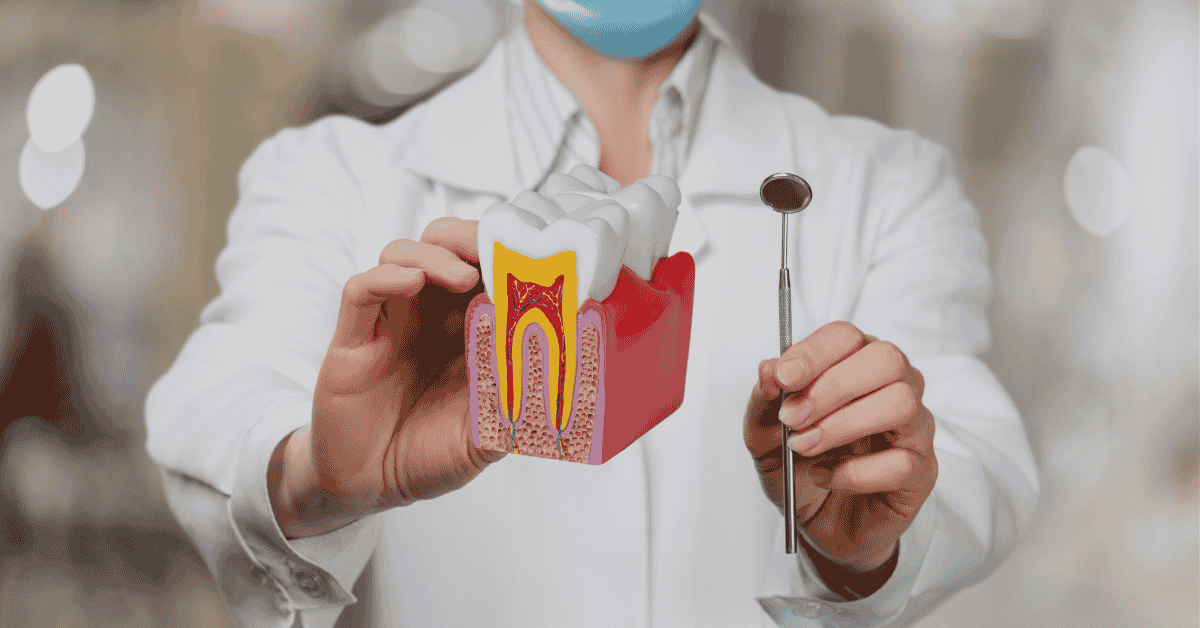
Many patients in Singapore experience discomfort after a root canal treatment, also known as endodontic therapy. While this is completely normal, it can cause concern—especially if you’re unsure how long the pain should last or how to relieve it at home. The good news? There are simple, proven ways to manage root canal pain effectively and recover comfortably.
In this article, we’ll take you through the common causes of pain after a root canal, helpful relief methods, when to worry, and how to speed up your recovery process.
Main Channel: Dental Health – Guide To Better Oral Care In Singapore
Endodontics – Root Canal Treatments In Singapore
Contact Us For An Appointment With An Endodontist
Why Pain Happens After a Root Canal
A root canal involves removing infected or inflamed pulp from inside a tooth. Even though the nerve is taken out, the surrounding tissues still need time to heal. The discomfort that follows is often caused by:
- Inflammation in the surrounding ligaments and tissues
- Pressure placed on the treated area during the procedure
- Sensitivity as your body adjusts to the cleaning and sealing
You might feel:
- A dull ache or sharp pain when chewing
- Gum soreness or tenderness
- Slight swelling near the affected tooth
- Increased sensitivity to pressure or cold
In most cases, these symptoms subside within a few days. However, proper pain management is key to ensuring a smooth recovery.
Follow Your Dentist’s Medication Instructions
After your treatment, your endodontist may recommend over-the-counter painkillers such as ibuprofen or paracetamol to control pain and reduce swelling. These medications are typically sufficient for mild to moderate discomfort.
Pro Tip: Don’t wait for the pain to peak—take the medication at regular intervals for the first couple of days, as advised.
For severe cases, your dentist might prescribe stronger anti-inflammatory drugs or antibiotics if an infection was present.
Apply Cold Compresses to Reduce Swelling
Ice packs are one of the most effective natural remedies for inflammation. Place a cold compress or wrapped bag of ice on your cheek near the affected side for 15 minutes at a time.
This can help:
- Numb the pain
- Reduce swelling
- Minimise inflammation in soft tissues
Do this every few hours, especially within the first 24 hours after your root canal.
Eat Soft, Non-Irritating Foods
Stick to a soft diet for at least a few days post-treatment to prevent aggravating the treated tooth. Avoid chewing on the side of your mouth where the root canal was done.
Recommended foods:
- Mashed potatoes
- Smooth soups
- Steamed vegetables
- Yoghurt
- Oatmeal
- Rice porridge (congee)
Avoid anything crunchy, chewy, spicy, or extremely hot or cold to minimise sensitivity.
Be Gentle With Oral Hygiene
Oral hygiene is important to prevent infection, but you must be gentle around the treated tooth. Use:
- A soft-bristled toothbrush
- Non-alcoholic, anti-bacterial mouthwash
- Lukewarm saltwater rinses (1/2 tsp salt in a glass of warm water) to reduce inflammation
Rinse after meals to remove food particles, but don’t overbrush or floss aggressively.
Sleep With Your Head Elevated
Lying completely flat can cause blood to pool around your jaw, worsening inflammation. Use an extra pillow to keep your head elevated when sleeping.
This helps reduce pressure and throbbing pain, especially during the night.
Avoid Trigger Foods and Habits
After endodontic treatment, your mouth may be more sensitive than usual. For at least 48–72 hours:
- Avoid smoking, as it delays healing and increases infection risk
- Skip alcohol, especially if you’re taking antibiotics or pain meds
- Avoid hard or sticky foods like nuts, candy, or ice
- Reduce intake of acidic or hot drinks like citrus juice and hot coffee
Monitor Your Symptoms and Know When to Call Your Endodontist
While post-root canal pain is normal, it should gradually improve—not get worse. Contact your endodontist immediately if you notice:
- Pain that increases after 3 days
- Severe swelling or a lump forming near the treated tooth
- Fever or chills
- Signs of infection like pus or a bad taste in your mouth
- An allergic reaction to prescribed medication
How Long Will the Pain Last?
For most patients, the pain fades within 2 to 5 days. If the tooth had a severe infection or abscess, it may take up to a week to fully heal. Persistent or severe pain is not normal and may require further dental assessment.
Schedule An Appointment With An Endodontist

Managing root canal pain doesn’t have to be stressful. With the right care, rest, and guidance from your dental professional, recovery can be smooth and comfortable. Pain is a natural part of healing — but when managed properly, it shouldn’t interfere with your daily life.
If you’re planning to get a root canal treatment in Singapore or have concerns about your recovery, it’s best to consult a qualified specialist. Early support can make a big difference. Click the button below for an introduction to a trusted endodontist in Singapore, and take the first step toward pain-free, long-lasting oral health.
Main Channel: Dental Health – Guide To Better Oral Care In Singapore
Endodontics – Root Canal Treatments In Singapore
All content on this site is informative only and is not intended to be a substitute for professional medical advice, diagnosis, or treatment, and should never be relied upon for specific medical advice. If you are experiencing a medical emergency, call 995 immediately or go to the nearest Accident & Emergency department.
health365.sg is a member of 365Asia.