

Endometriosis is a common yet often misunderstood condition that affects many women in Singapore. Despite its prevalence, many individuals go years without a proper diagnosis or treatment plan. Understanding the symptoms, available endometriosis treatment options, and when to seek medical advice can significantly improve your quality of life.
Back to Main Channel: Women’s Health
Schedule an Appointment with an OBGYN in Singapore
What Is Endometriosis?
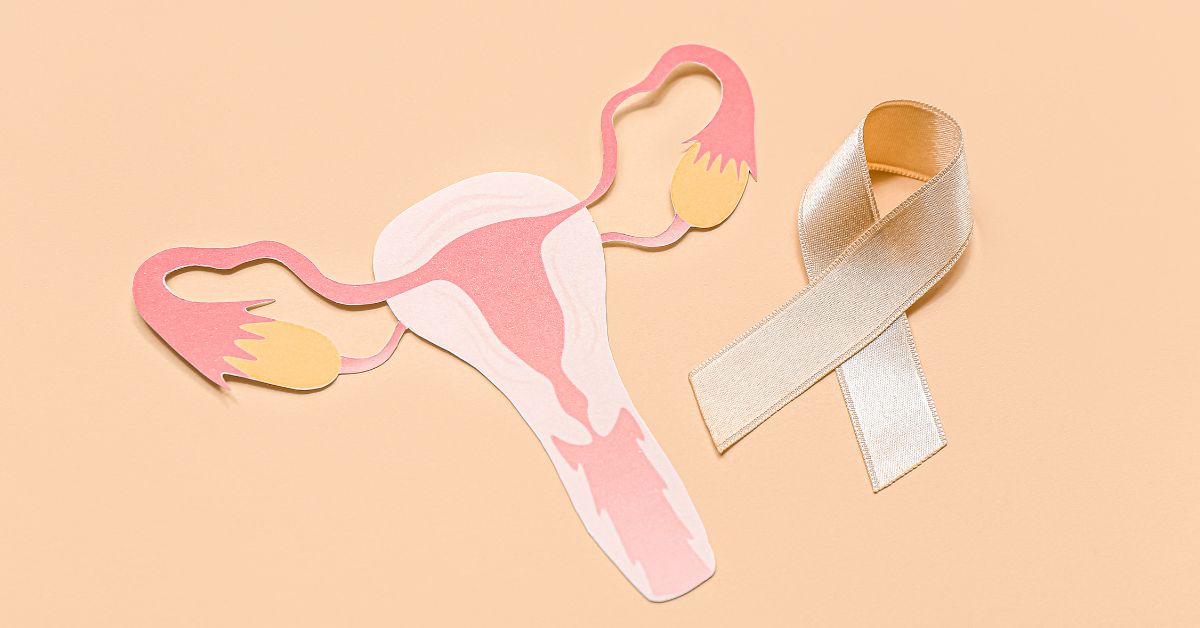
Endometriosis occurs when tissue similar to the lining of the uterus grows outside the womb, commonly on the ovaries, fallopian tubes, and surrounding pelvic structures. This condition can lead to chronic pain, heavy periods, and in some cases, fertility issues.
Common Symptoms To Look Out For
The symptoms of endometriosis can vary in severity and may often be mistaken for regular menstrual discomfort. Here are some common signs:
- Severe menstrual cramps that do not improve with painkillers.
- Pain during or after sexual intercourse.
- Chronic pelvic pain.
- Pain during bowel movements or urination, especially during menstruation.
- Difficulty conceiving.
- Excessive bleeding during periods or spotting between cycles.
If any of these symptoms sound familiar, it may be time to speak with a medical professional about possible endometriosis treatment options.
Endometriosis Treatment Options In Singapore
There is no one-size-fits-all approach to endometriosis treatment. The right solution depends on factors such as age, the severity of symptoms, and whether the patient wishes to conceive. In Singapore, women can access a range of medical and surgical options under the care of gynaecologists or specialists in reproductive health.
Learn more: Guide To Finding The Right Obstetrician Gynaecologist In Singapore
1. Pain Management
Doctors may initially recommend medications such as non-steroidal anti-inflammatory drugs (NSAIDs) to relieve menstrual cramps and pelvic pain.
2. Hormonal Therapy
Hormonal treatments can help reduce or eliminate menstruation, thereby slowing the growth of endometrial tissue. Common options include:
- Birth control pills.
- Gonadotropin-releasing hormone (GnRH) agonists.
- Progestin therapy.
These treatments are not suitable for everyone and are typically discussed in detail during a specialist consultation.
3. Laparoscopic Surgery
For women with moderate to severe symptoms or those who do not respond to medication, laparoscopic surgery may be recommended. This minimally invasive procedure allows specialists to remove or destroy endometrial growths and scar tissue.
4. Fertility Treatment
If endometriosis is affecting fertility, patients may be referred to a fertility specialist for options such as in vitro fertilisation (IVF) or intrauterine insemination (IUI), depending on individual circumstances.
When To See A Specialist
Do not ignore persistent pelvic pain or menstrual issues. Early diagnosis and treatment can prevent complications and greatly improve day-to-day comfort. A specialist can help confirm whether endometriosis is present and develop a treatment plan tailored to your specific needs.
Get Endometriosis Treatment In Singapore
If you suspect you may have endometriosis or wish to explore your treatment options, contact us for an introduction to a trusted specialist in Singapore.
Related Content
Back To Main Channel: Women’s Health In Singapore
- Fertility – What Factors It And How To Increase Your Chances
- Gynecology – Women’s Health Medical Conditions In Singapore
- Pregnancy – Prenatal And Postnatal Care In Singapore
All content on this site is informative only and is not intended to be a substitute for professional medical advice, diagnosis, or treatment, and should never be relied upon for specific medical advice. If you are experiencing a medical emergency, call 995 immediately or go to the nearest Accident & Emergency department.
health365.sg is a member of 365Asia.