

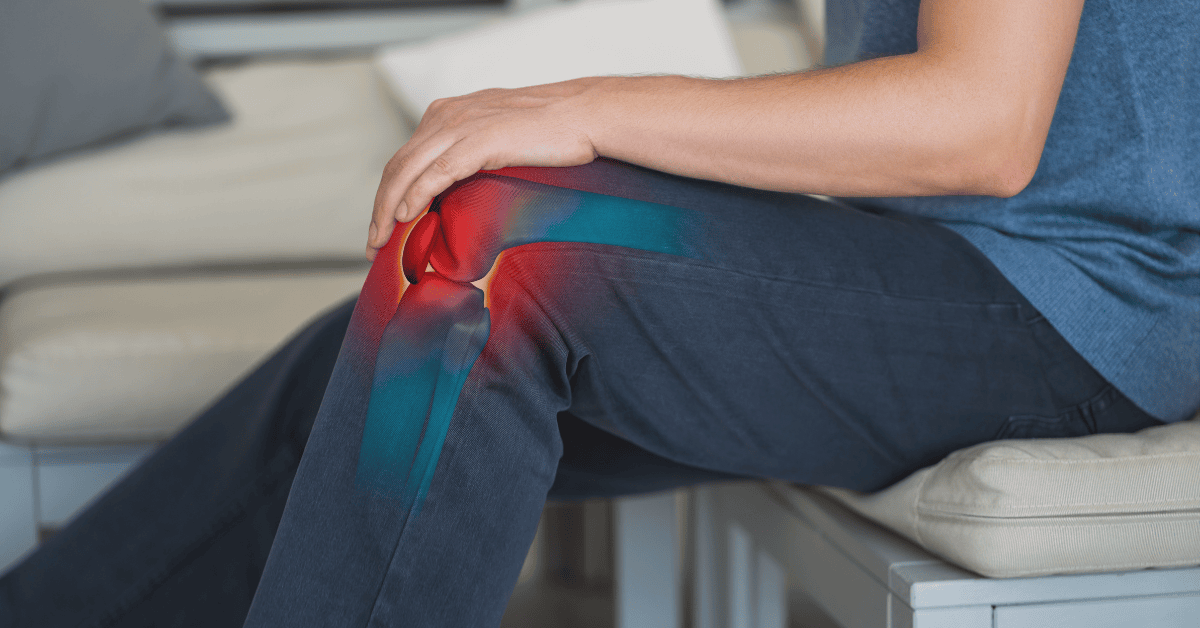
Osteoarthritis (OA) is often mistaken as just a normal part of aging, but this common joint condition is much more than simple wear and tear. It is a progressive disorder that affects the cartilage, bones, and surrounding tissues, leading to pain, stiffness, and reduced mobility. In Singapore, the rise in sedentary lifestyles and an aging population have contributed to a growing number of osteoarthritis cases, especially in the knees, hips, and hands. In this article, we will explore what osteoarthritis is, its symptoms, causes, how it is diagnosed and treated in Singapore, and when to seek help from an orthopaedic specialist.
Back to Main Channel: Bone & Orthopaedic Health
What Is Osteoarthritis?
Osteoarthritis is the most common form of arthritis, caused by the gradual breakdown of joint cartilage and the underlying bone. As cartilage wears away, bones begin to rub against each other, resulting in pain, swelling, and loss of movement. Unlike rheumatoid arthritis, which is autoimmune in nature, osteoarthritis is classified as a degenerative joint disease.
Although it can affect any joint, osteoarthritis in Singapore most frequently impacts the knees, hips, lower back, and fingers. The condition develops slowly over time and is more prevalent in older adults, though younger individuals with joint injuries or obesity are also at risk.
Symptoms of Osteoarthritis
Osteoarthritis symptoms can range from mild to disabling. Common signs to watch out for include:
- Joint pain that worsens with activity and improves with rest
- Stiffness, especially after periods of inactivity or in the morning
- Swelling or tenderness in the affected joints
- A grating sensation or cracking sound during movement
- Limited range of motion
- Bony growths or spurs around the joint
Causes and Risk Factors
The exact cause of osteoarthritis isn’t always clear, but several factors contribute to its development:
- Aging: Cartilage naturally wears down as we grow older
- Obesity: Extra body weight adds stress to weight-bearing joints like knees and hips
- Joint injury: Previous sports or work-related injuries can lead to early osteoarthritis
- Genetics: A family history of joint problems can increase risk
- Repetitive strain: Occupations or sports that involve repeated stress on joints
Women over the age of 50 in Singapore are especially vulnerable to knee osteoarthritis, due to hormonal and anatomical differences.
Diagnosing Osteoarthritis in Singapore
If you’re experiencing persistent joint pain, it’s important to seek a diagnosis. In Singapore, orthopaedic specialists use a combination of clinical assessments, imaging, and sometimes laboratory tests to confirm osteoarthritis.
Diagnostic methods include:
- Physical examination: Checking for joint swelling, tenderness, and range of motion
- X-rays: Reveal cartilage loss, bone spurs, and joint space narrowing
- MRI scans: Useful for detecting early cartilage damage
- Blood tests: Usually normal in osteoarthritis, but done to rule out other conditions like rheumatoid arthritis
Osteoarthritis Treatment Options in Singapore
Although osteoarthritis cannot be reversed, many treatment options in Singapore can relieve symptoms and improve joint function.
1. Medications
- Pain relievers: Paracetamol or topical NSAIDs
- Oral NSAIDs: Such as ibuprofen to reduce inflammation
- Hyaluronic acid injections: Provide lubrication for the joints
- Steroid injections: Temporarily reduce joint inflammation
2. Physical Therapy
- Improves strength, flexibility, and joint stability
- Tailored exercise plans based on severity and location of osteoarthritis
3. Lifestyle Changes
- Weight management to reduce pressure on joints
- Low-impact activities like swimming, cycling, or tai chi
- Supportive footwear or walking aids to relieve joint stress
4. Surgical Treatment
- Joint replacement surgery (e.g. total knee replacement) for severe osteoarthritis
- Arthroscopy or realignment procedures for specific joint issues
When Should You See an Orthopaedic Specialist?
You should consult an orthopaedic specialist in Singapore if:
- Your joint pain persists for more than a few weeks
- You have difficulty walking, climbing stairs, or performing daily tasks
- Over-the-counter medications no longer provide relief
- You notice visible joint deformities or instability
- Pain and stiffness interfere with your sleep or work
Getting timely treatment can help you stay mobile and avoid more invasive procedures later.
Speak to an Orthopaedic Specialist in Singapore
Osteoarthritis is a common yet often misunderstood joint condition that can affect anyone, not just the older people. In Singapore, early diagnosis and appropriate treatment can significantly slow its progression and improve your daily life. Whether through medication, therapy, or lifestyle changes, help is available. If you suspect you may have osteoarthritis, don’t wait for the pain to worsen.
Preferred Orthopaedic Specialist (Upper Limbs): Dr Bryan Wang
Preferred Orthopaedic Specialist (Lower Limbs): Dr Ananda Vella
Back to Main Channel: Bone & Orthopaedic Health
All content on this site is informative only and is not intended to be a substitute for professional medical advice, diagnosis, or treatment, and should never be relied upon for specific medical advice. If you are experiencing a medical emergency, call 995 immediately or go to the nearest Accident & Emergency department.
health365.sg is a member of Group 365Asia.