


Regular eye examinations are essential for individuals aged 40 to 65, a period when many age-related eye conditions begin to develop. Even those with good vision or minimal symptoms can experience gradual changes that are not immediately noticeable. A comprehensive eye check up in Singapore ensures early detection, timely treatment, and long-term protection of vision.
This guide covers the importance of routine screenings, key symptoms to monitor, the types of eye diseases more common in this age group, and when to consult an ophthalmologist in Singapore.
Get An Appointment With An Ophthalmologist To Check On Your Eye Health
Contact UsWhy Are Eye Check Ups Important For Adults Aged 40–65?
From the age of 40 onwards, the risk of various eye conditions increases significantly due to natural ageing, lifestyle factors, and changes in ocular structures. Many of these conditions progress silently, affecting vision only when damage has become advanced.
Regular check ups provide:
- Early detection of eye diseases
- Baseline measurements for long-term monitoring
- Prevention of irreversible vision loss
- Assessment of refractive errors and changes in vision
- Screening for systemic diseases such as diabetes and hypertension that often affect the eyes
A complete eye examination typically includes visual acuity testing, refraction, intraocular pressure measurement, slit-lamp examination, retinal imaging, and specialised tests as needed.
What Symptoms To Watch Out For As You Age?
Although symptoms may not always appear early, individuals aged 40–65 should be alert to the following changes:
- Blurred or fluctuating vision
- Difficulty seeing at night
- Increased light sensitivity
- Halos around lights
- Dryness, irritation, or excessive tearing
- Reduced near-vision clarity (presbyopia)
- Floaters or flashes in the visual field
- Persistent headaches associated with visual tasks
Any sudden or severe visual disturbance should be evaluated promptly, as it may indicate an urgent condition such as retinal detachment, acute glaucoma, or vascular complications.
Why Should You Have An Eye Check Up Even Without Symptoms?
Many sight-threatening conditions develop without any early symptoms, making regular examinations essential. For example:
- Glaucoma can damage the optic nerve gradually without noticeable loss of vision in the early stages.
- Diabetic retinopathy may progress silently before affecting visual clarity.
- Age-related macular degeneration (AMD) often begins with subtle changes that only an eye exam can detect.
By the time symptoms appear, significant and irreversible damage may already have occurred. Preventive screening is therefore crucial to maintaining lifelong vision.
What Are The Common Eye Diseases In Adults Aged 40–65?
1. Presbyopia
Presbyopia typically begins around age 40, causing difficulty with near tasks such as reading or using a smartphone. This is a normal age-related process and is easily corrected with glasses or other visual aids.
2. Glaucoma
Glaucoma risk increases significantly with age. It involves progressive optic nerve damage, often without early symptoms. Regular pressure checks and optic nerve evaluations are essential.
3. Cataracts
Cataracts develop gradually, causing clouding of the eye’s natural lens. Symptoms include blurred vision, glare sensitivity, and difficulty driving at night. Cataract surgery is highly effective and widely performed in Singapore.
4. Age-Related Macular Degeneration (AMD)
AMD affects central vision and is more common after age 50. Early detection and lifestyle adjustments can help slow its progression.
5. Diabetic Retinopathy
Individuals with diabetes must undergo regular retinal screenings for diabetic retinopathy, due to the risk of blood vessel leakage or abnormal vessel growth in the retina.
6. Dry Eye Disease
Hormonal changes, screen time, and environmental factors can contribute to dry eye symptoms, which are common in this age group.
When To Seek An Ophthalmologist For Eye Check Up In Singapore
You should arrange a consultation with an eye specialist if you experience:
- Any sudden change in vision
- Persistent visual discomfort
- Difficulty with reading or computer work
- Family history of eye diseases such as glaucoma
- Diabetes or hypertension
- Recurrent headaches or eye strain
- Floaters, flashes, or sudden shadows in vision
Even without symptoms, adults aged 40–65 are advised to undergo a full eye check up at least once every one to two years.
Our Preferred Doctors (Ophthalmologist) For Eye Check Up In Singapore
If you are considering a comprehensive eye evaluation, Dr Lee Shu Yen is one of our preferred ophthalmologists in Singapore. Dr Lee Shu Yen is a senior eye specialist with extensive experience in managing cataracts, medical retina conditions, and complex general ophthalmology cases. She has over two decades of clinical experience in both public and private healthcare, and strong expertise in cataract and retinal disease management. Her evidence-based, patient-centred approach and clear, thorough explanations to help patients make informed decisions.

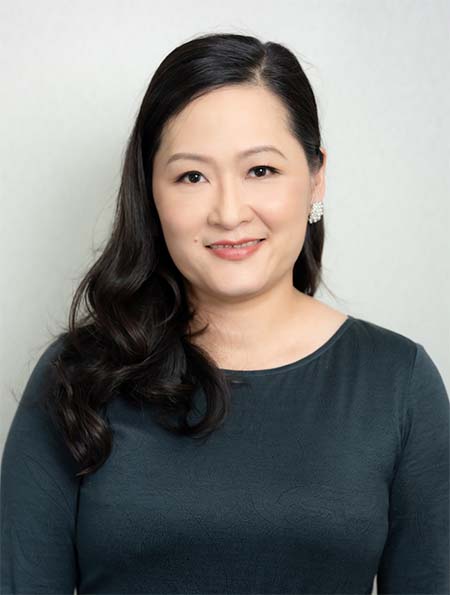

[SG] Featured Doctor- Dr Kevin Koo
Frequently Asked Questions (FAQs)
Most adults in this age group should have an eye examination every one to two years. Those with risk factors such as diabetes, high myopia, or a family history of glaucoma may need more frequent assessments.
A full examination may include visual acuity testing, refraction, intraocular pressure measurement, slit-lamp evaluation, retinal imaging, and specific tests depending on your symptoms and risk profile.
Optometrists play an important role in primary eye care. However, if you are aged 40–65, have symptoms, or have risk factors for eye disease, consulting an ophthalmologist ensures specialist-level diagnosis and access to medical or surgical treatments if required.
Consult An Ophthalmologist For Personalised Eye Care
If you are between the ages of 40 and 65, it is important to prioritise your eye health even if your vision seems stable. A comprehensive examination by an ophthalmologist provides early detection, timely treatment, and long-term protection for your eyesight. Schedule a consultation today to ensure your vision remains clear and healthy for the years ahead.
Contact UsBack To: Eye Health Main Page
All content on this site is informative only and is not intended to be a substitute for professional medical advice, diagnosis, or treatment, and should never be relied upon for specific medical advice. If you are experiencing a medical emergency, call 995 immediately or go to the nearest Accident & Emergency department.
health365.sg is a member of Group 365Asia.