

Eye Health - Protect Your Vision From Silent Threats
Some eye diseases such as cataracts, glaucoma, and diabetic retinopathy are common in Singapore and can develop without any symptoms. Learn more about these silent threats to the vision with our collection of informative articles and resources.
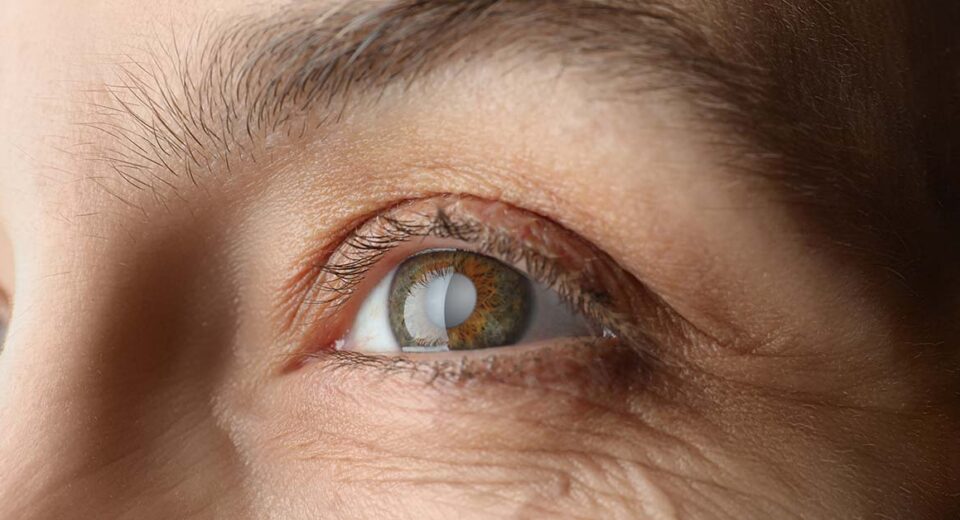
How to Choose the Right Eye Specialist for Cataract Surgery in Singapore
- July 3, 2025
- 547 Views
- Reading Time: 4 minutes

Guide To Finding The Best Eye Specialist In Singapore
- September 26, 2025
- 901 Views
- Reading Time: 3 minutes

Eye Check Up Singapore (Aged 40–65)
- December 12, 2025
- 411 Views
- Reading Time: 5 minutes
Topics

Do Not Let Eye Diseases Steal Your Vision – Act Now!
Ignoring your eye health today could mean losing your sight tomorrow. The silent threats are real, but with proactive measures and treatment, you can safeguard your vision. Don’t wait until it’s too late.
365Find
Find A Doctor



Financials
MediSave can be claimed for Cataract Surgery, Glaucoma, and Diabetic Retinopathy treatments. For cataract surgery, Singaporeans and permanent residents can claim up to S$2,450 per eye from their own account or the account of an immediate family member. Treatment of glaucoma and diabetic retinopathy are also Medisave-claimable. It is best to check with your healthcare provider whether the required screening, diagnostic and treatment procedures are MediSave claimable.
Check with CPF on the latest MediSave policies.



Eye Health Associations & Organisations
Related Content
FAQs
LASIK surgery offers numerous benefits, making it a popular choice for vision correction in Singapore. One of the primary advantages is the significant improvement in vision quality, often eliminating the need for glasses or contact lenses. The procedure is relatively quick and most patients experience a rapid recovery with minimal discomfort. LASIK also has a high success rate, with many individuals achieving 20/20 vision or better. Additionally, the convenience of reduced dependence on corrective lenses can enhance quality of life, allowing for greater freedom in daily activities, sports, and travel.
To determine if you are a good candidate for LASIK, you need to undergo a comprehensive eye examination by a qualified eye specialist in Singapore. Generally, ideal candidates are adults over 18 years old with stable vision prescriptions for at least one year. Your eye health and corneal thickness are also crucial factors; individuals with certain eye conditions or thin corneas may not be suitable. Your specialist will assess your overall eye health and discuss your medical history to ensure LASIK is the best option for you.
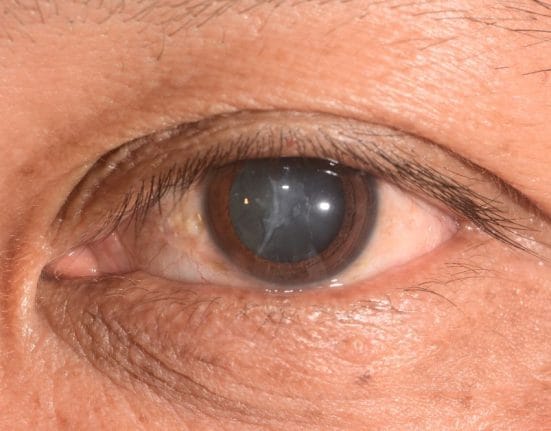
Cataracts typically develop slowly, and early signs include blurred vision, difficulty seeing at night, sensitivity to light, and seeing halos around lights. You might also notice colours appearing faded or yellowed. If you experience any of these symptoms, it is advisable to consult an eye specialist in Singapore. Early diagnosis can help manage the condition effectively and determine the appropriate time for cataract surgery, which is the only definitive treatment for restoring clear vision.
Glaucoma is often detected through a comprehensive eye examination that includes measuring intraocular pressure, inspecting the drainage angle of your eye, and evaluating the optic nerve for damage. Since glaucoma can progress without noticeable symptoms until significant vision loss occurs, regular eye exams are essential, especially if you have risk factors such as a family history of the condition. Treatment for glaucoma typically involves prescription eye drops to reduce eye pressure, and in some cases, laser treatment or surgery may be necessary to improve fluid drainage in the eye.
Diabetic retinopathy is a complication of diabetes that affects the blood vessels in the retina, potentially leading to vision loss if left untreated. Symptoms may include blurred vision, dark spots, and fluctuating vision, but the condition can also progress without early warning signs. Regular eye screenings are crucial for individuals with diabetes in Singapore to detect diabetic retinopathy early. Treatment options include laser therapy, injections, and in advanced cases, vitrectomy surgery to manage the condition and prevent further vision impairment. Managing your diabetes effectively and maintaining regular eye check-ups are key to preserving your vision.








Additional Resources
- Singapore’s Eye Health | Singapore National Eye Centre. Available from: https://www.snec.com.sg/giving/singapores-eye-health
- Common Eye Problems and Their Symptoms | HealthHub. Available from: https://www.healthhub.sg/a-z/diseases-and-conditions/common-eye-problems
- 6 Common Eye Problems: Possible Causes and Tips | HealthXchange.sg. Available from: https://www.healthxchange.sg/head-neck/eye-care/causes-common-eye-problems
- Cataract Surgery | SingHealth. Available from: https://www.singhealth.com.sg/patient-care/conditions-treatments/cataract
- Cataracts: Causes, Symptoms and Treatment | HealthXchange.sg. Available from: https://www.healthxchange.sg/head-neck/eye-care/cataracts-causes-symptoms-treatment
- Cataract – Singapore | National University Hospital. Available from: https://www.nuh.com.sg/About-NUH/Clinical-Outcomes/Pages/Cataract.aspx
- Glaucoma | Singapore National Eye Centre. Available from: https://www.snec.com.sg/patient-care/specialties-and-services/clinical-subspecialties/glaucoma-what-we-do
- Glaucoma – Symptoms & Treatment | SingHealth | Singapore General Hospital. Available from: https://www.sgh.com.sg/patient-care/conditions-treatments/glaucoma
- Diabetic retinopathy – Symptoms & causes | Mayo Clinic. Available from: https://www.mayoclinic.org/diseases-conditions/diabetic-retinopathy/symptoms-causes/syc-20371611