

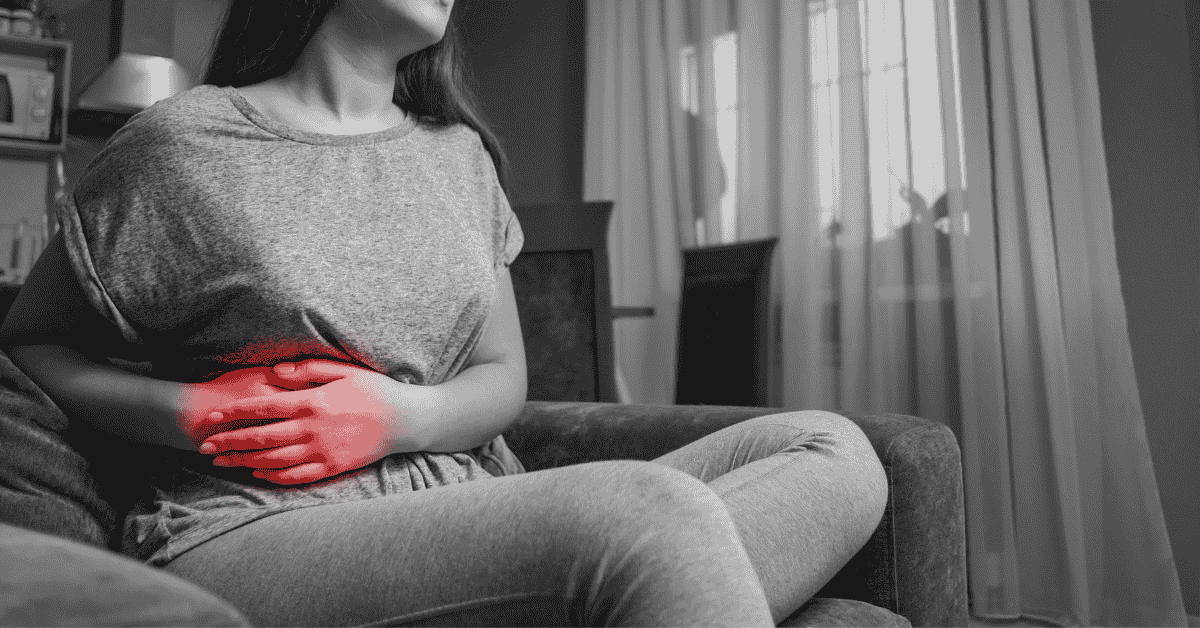
You’ve just had a heavy meal, and a dull ache starts to build in your upper abdomen. Is it just gastric discomfort or something more serious like gallstones? In Singapore, many people brush off gallbladder pain as a simple gastric issue. But the reality is, mistaking one for the other can lead to delayed treatment and worsening symptoms. Understanding the difference between gallstones and gastric pain can help you make better decisions for your health.
Schedule an appointment with a gallbladder surgeon
Contact MedicalTravel.asiaBack To: Gallbladder Main Page
Why Gallstones and Gastric Pain Feel Similar
Both conditions cause upper abdominal pain, but the source of the pain and how it behaves can be very different. Gastric pain usually stems from indigestion, gastritis, or acid reflux. It often causes a burning sensation, bloating, or mild cramping, and it can improve with food, antacids, or passing gas.
Gallstones, on the other hand, form when bile in the gallbladder hardens into small stones. These stones can block the bile ducts, causing sharp and intense pain that does not subside easily. Unlike gastric pain, gallstone attacks tend to come on suddenly and may not respond to home remedies.
Key Differences Between Gallstones and Gastric Pain
1. Location and Type of Pain
Gastric pain typically centres around the upper abdomen or below the chest. It can feel like a burning or gnawing sensation. People often describe it as discomfort that fluctuates and comes with bloating or gas.
Gallstone pain usually starts in the upper right abdomen or mid-upper abdomen and can radiate to the right shoulder or back. The pain is sharper, more intense, and often begins suddenly, lasting from 30 minutes to several hours. It does not improve with burping or passing gas.
2. Triggers and Timing
Gastric discomfort is often triggered by spicy food, caffeine, or skipping meals. It tends to come on gradually and may ease with rest or medication.
In contrast, gallstone attacks often occur after a heavy or fatty meal. The pain can begin one to two hours after eating, especially in the evening or at night, and is not relieved by vomiting or antacids.
3. Associated Symptoms
Gastric pain may come with heartburn, nausea, or a feeling of fullness. You may burp frequently or feel relief after vomiting.
Gallstones may cause more serious symptoms, especially if a stone blocks the bile duct. These include:
- Nausea and vomiting
- Fever and chills
- Jaundice (yellowing of the skin or eyes)
- Dark-coloured urine or pale stools
How Doctors in Singapore Diagnose the Cause
When symptoms are unclear, your doctor will begin with a physical examination and ask about your eating habits and pain pattern. To confirm the cause, they may order:
- Blood tests to detect inflammation or liver enzyme changes
- Abdominal ultrasound to look for gallstones
- Endoscopy or barium studies if a gastric issue is suspected
If gallstones are suspected and symptoms are severe, a CT scan or MRI may be used to check for complications like bile duct obstruction or pancreatitis.
Treatment Options for Gallstones and Gastric Conditions
Gastric Pain
Most gastric issues are managed with diet and medication. Doctors may prescribe proton-pump inhibitors or antacids to reduce stomach acid. You may also need to cut back on caffeine, alcohol, spicy food, and large meals.
Gallstones
For gallstones that cause pain, the standard treatment is gallbladder removal, also known as a laparoscopic cholecystectomy. This is a minimally invasive procedure where the gallbladder is removed through small keyhole incisions.
In Singapore, the cost of gallstone surgery can vary:
- Subsidised rates in public hospitals (day surgery) start around S$2,043
- Private hospital packages can range from S$7,000 to S$21,000, depending on the ward class, surgeon’s fee, and additional hospital charges
Some packages may be claimable under Medisave or private insurance, especially if complications are present.
Life After Gallbladder Removal
Most people live comfortably without a gallbladder. The liver continues to produce bile for digestion, although you may need to adjust your diet slightly in the first few weeks after surgery. Avoiding greasy or overly rich foods can help prevent temporary digestive discomfort.
Recovery time is typically quick. Many patients go home the next day and return to light activity within a week.
Don’t Wait Until It’s Too Late – Schedule an Appointment Today
Understanding the difference between gallstones and gastric pain helps you seek timely and appropriate treatment. While gastric discomfort often improves with medication and lifestyle changes, gallstones usually require thorough evaluation and, in most cases, surgery.
If your symptoms suggest gallstones rather than simple indigestion, don’t hesitate. Consult a medical professional who can guide you toward a safe and effective solution. For expert advice and personalised care, connect with our preferred Gallbladder Surgeon in Singapore today. Click the button below to schedule your consultation and take the next step toward better digestive health.



[SG] Featured Doctor- Dr Juanda Leo Hartono
Learn More: Medical Imaging
Back To: Gallbladder Main Page
All content on this site is informative only and is not intended to be a substitute for professional medical advice, diagnosis, or treatment, and should never be relied upon for specific medical advice. If you are experiencing a medical emergency, call 995 immediately or go to the nearest Accident & Emergency department.
health365.sg is a member of 365Asia.