


Appendicitis is one of the most common causes of sudden abdominal pain and remains a frequent reason for surgery in Singapore. It can strike anyone, anywhere. Hence, recognising the early signs and seeking timely medical evaluation can make a world of difference in treatment outcomes. This guide explains what you need to know about appendicitis in Singapore — what it is, how it develops, symptoms to look out for, how it is diagnosed, available treatments, and what it may cost to treat.
Need To Consult A Surgeon On Appendicitis?
Contact UsWhat Is Appendicitis?
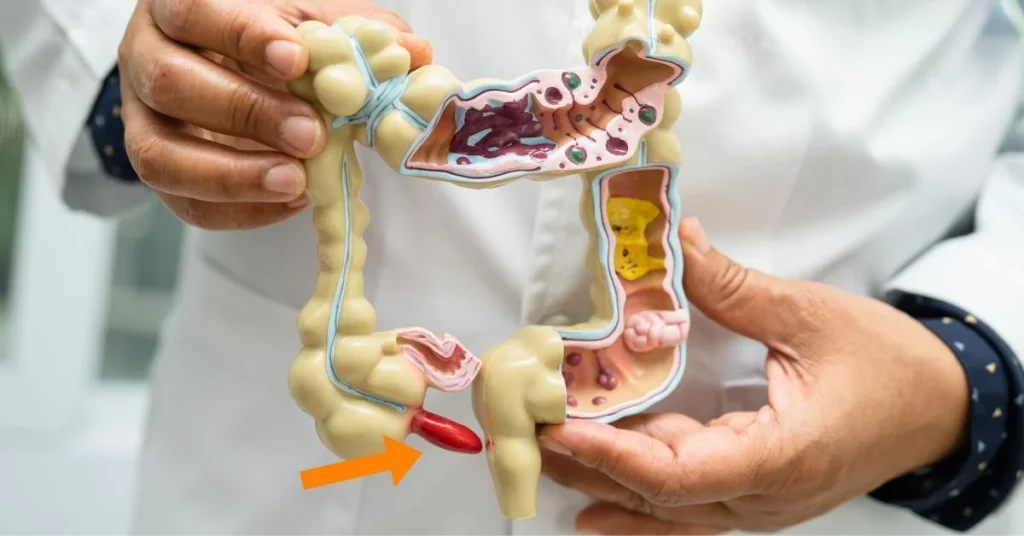
Appendicitis is the inflammation of the appendix, a small, finger-shaped pouch connected to the large intestine. Though the appendix has no essential function in adults, it can become dangerously inflamed when blocked.
If left untreated, the appendix may rupture, causing infection to spread throughout the abdomen (a condition known as peritonitis). This is a medical emergency that requires immediate surgical attention.
Appendicitis Singapore Statistics
- According to SingHealth, appendicitis affects 5% – 7% of people in Singapore.
- Appendicitis is among the most common causes of emergency abdominal surgery locally.
- Overseas studies show that about 95% of patients undergo laparoscopic surgery. In Singapore, patients who underwent laparoscopic appendicitis surgery have short hospital stays averaging just 1-2 days.
What Causes Appendicitis?
Appendicitis typically occurs when the appendix becomes blocked. Common causes include:
- Faecaliths (hardened stool) blocking the opening of the appendix
- Swollen lymphoid tissue, often triggered by infection
- Parasites or foreign bodies that obstruct the appendix
- Tumours, especially in older adults
Once blocked, bacteria multiply rapidly, leading to swelling, pus formation, and inflammation.
Who Is At Risk Of Developing Appendicitis?
Appendicitis can affect anyone, but certain groups face higher risks:
- Age: Most common between 10 and 30 years
- Gender: Slightly more common in males
- Family history: A genetic tendency may exist
- Diet: Low fibre, high-fat diets increase risk
Maintaining a healthy diet rich in fruits, vegetables, and whole grains may help reduce the likelihood of appendicitis.
What Are The Symptoms Of Appendicitis?
Appendicitis often begins with vague discomfort and gradually intensifies. Recognising these warning signs early can help you seek help before it becomes an emergency.
Common Symptoms Include:
- Pain starting near the belly button, moving to the lower right abdomen
- Loss of appetite
- Nausea and vomiting
- Low-grade fever
- Bloating or constipation
- Inability to pass gas
- Increased pain when moving, coughing, or taking deep breaths
Particularly for young children, pregnant women, or older adults, symptoms of appendicitis may be less typical, making diagnosis more difficult.
How Is Appendicitis Diagnosed?
Diagnosing appendicitis involves a combination of clinical assessment and imaging. A general surgeon or doctor will typically perform several tests to confirm the diagnosis.
Common Diagnostic Steps Include:
- Medical History & Physical Examination: The doctor will check for tenderness, particularly in the lower right abdomen.
- Blood Tests: To look for signs of infection such as elevated white blood cell count.
- Urine Tests: To exclude urinary tract or kidney infections that can mimic appendicitis.
- Imaging Tests: Ultrasound or CT scans help confirm inflammation and rule out other causes of pain.
Early diagnosis allows for more flexible treatment planning — including elective or semi-urgent surgery rather than emergency intervention.
When Should You See A Doctor For Appendicitis?
It is important not to wait until the pain becomes unbearable. Many cases of appendicitis start gradually, offering a small window for early medical evaluation.
You should see a doctor or general surgeon if you experience:
- Persistent lower right abdominal discomfort lasting more than a few hours
- Mild but recurring abdominal pain accompanied by nausea or fever
- Unexplained loss of appetite or bloating
- Digestive discomfort that does not improve with rest or diet changes
Seeking medical advice early gives doctors time to assess your condition, perform imaging if needed, and plan treatment safely — sometimes even on a scheduled basis rather than emergency.
However, go to the emergency department immediately if you develop:
- Sharp, severe pain that worsens quickly
- High fever and vomiting
- Abdominal swelling or rigidity
- Inability to stand upright due to pain
At that point, appendicitis may have advanced, and urgent surgery is required.
How Is Appendicitis Treated In Singapore?
Treatment depends on whether the appendix is inflamed or has already ruptured. In most cases, surgery is the mainstay of treatment, but early-stage appendicitis may sometimes be managed with antibiotics under close observation.
1. Antibiotic Therapy
For mild or early inflammation, antibiotics may temporarily control infection. However, recurrence is common, and many patients eventually need surgery.
2. Appendicectomy (Appendix Removal Surgery)
Surgery to remove the appendix — known as an appendicectomy — is the definitive treatment. It can be done via:
- Laparoscopic (Keyhole) Surgery: Minimally invasive, using small incisions. It offers quicker recovery, less pain, and minimal scarring.
- Open Surgery: A larger incision, usually for complicated or ruptured cases.
Recovery is usually rapid, with most patients resuming light activity within a week.
What Does Appendicitis Surgery Cost In Singapore?
Surgical costs in Singapore vary depending on hospital type (public vs. private), procedure complexity, and length of hospital stay.
Estimated Surgery Cost Range (SGD)
According to the Ministry of Health’s (MOH) Benchmark: (TOSP Code SF723A) – Appendix, Various Lesions/Abscess, Appendicectomy With Drainage (assessed 14 Oct 2025)
| Type of Fee | MOH Recommended Benchmark |
|---|---|
| Surgeon Fee | S$5,900 – S$9,000 |
| Anaesthetist Fee | S$1,400 – S$2,300 |
| Hospital Fee | S$11,500 – S$17,700 |
What Is The Recovery Process After Appendicectomy?
Recovery depends on the type of surgery performed and the overall health of the patient.
Post-Surgery Recovery Tips:
- Resume light activities after 5–7 days (laparoscopic) or 2–3 weeks (open surgery).
- Avoid strenuous exercise and heavy lifting for at least two weeks.
- Maintain good wound hygiene.
- Follow prescribed antibiotics and pain medication.
- Attend follow-up appointments to monitor healing.
Most patients return to normal routines within 10–14 days for uncomplicated cases.
What Are The Risks Of Delayed Treatment?
Untreated or delayed appendicitis can cause serious complications:
- Perforation (rupture) — leading to widespread infection (peritonitis).
- Abscess formation — a collection of pus near the appendix.
- Sepsis — life-threatening infection spreading throughout the body.
Even if symptoms appear mild, medical assessment is essential to prevent these risks.
Our Preferred Doctor (General Surgeon) For Appendix Removal



[SG] Featured Doctor- Dr Kevin Koo
Frequently Asked Questions (FAQs)
In very mild cases, antibiotics may reduce inflammation, but recurrence is common. Surgery remains the most reliable, permanent solution.
You should consult a general surgeon as soon as you suspect appendicitis symptoms — even if they are mild. Early consultation allows for imaging, monitoring, and elective treatment if needed.
A ruptured appendix can cause peritonitis, a serious infection of the abdomen. This requires emergency surgery and longer hospitalisation.
Experiencing Appendicitis Symptoms – Get An Appointment
Appendicitis is a common yet serious condition that should never be ignored. Early recognition and consultation with a qualified general surgeon can prevent complications and make treatment smoother and more affordable. If you experience persistent or worsening abdominal pain, especially on the lower right side, do not delay seeking medical advice. Early evaluation provides more options for safe and timely care — and helps you avoid a sudden emergency later.
Please note that Health365 does not provide emergency medical appointment services. In urgent cases with severe pain, high fever, or vomiting, visit the nearest hospital emergency department or call for medical assistance immediately.
Contact UsAll content on this site is informative only and is not intended to be a substitute for professional medical advice, diagnosis, or treatment, and should never be relied upon for specific medical advice. If you are experiencing a medical emergency, call 995 immediately or go to the nearest Accident & Emergency department.
health365.sg is a member of Group 365Asia.