

Book Cancer Screening Packages at 365Mall
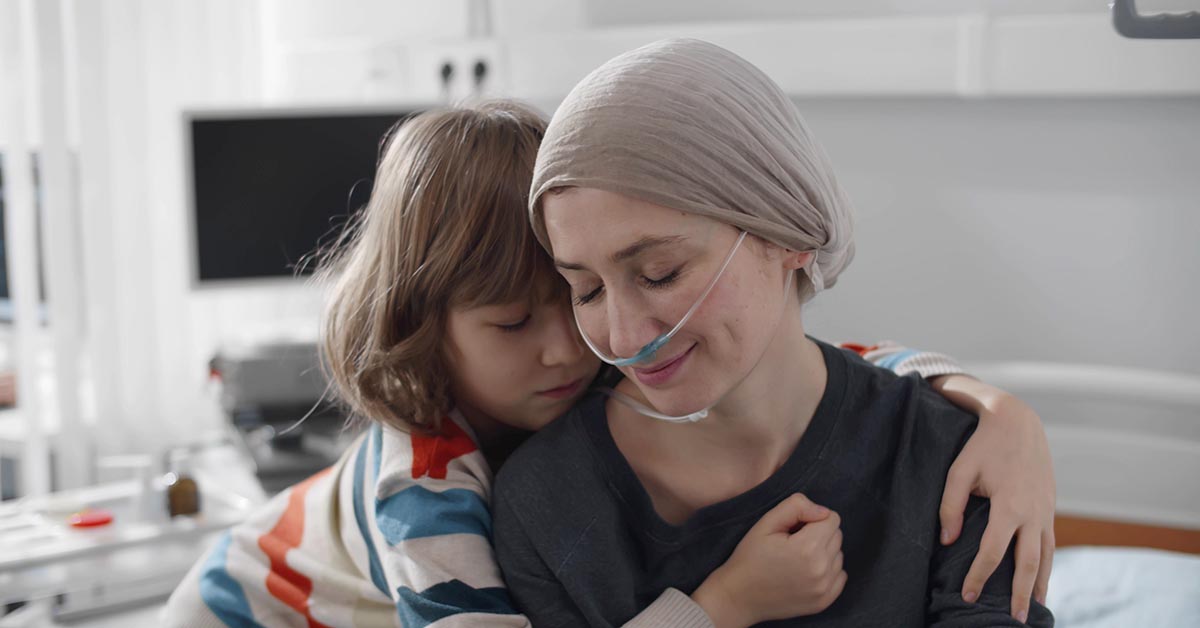
Cancer can be a daunting diagnosis, but knowing your treatment options can make the journey a bit easier to navigate. This guide will walk you through the various cancer treatment options, from surgery to cutting-edge therapies, to help you understand what might be involved in your care.
Back To: Cancer Treatments Main Page
Back To: Cancer Main Page
Overview On Cancer Treatment Options
Cancer may often be referred to as “a disease”. However, it is actually a collection of many diseases. How cancer is treated will depend on the type of cancer and where it is located, whether it has spread (“metastasised”) from its site of origin to other parts of the body and on its genetic characteristics.
Cancer treatment has changed and improved over time. Options have increased from traditional cancer surgery, radiotherapy and chemotherapy, to now include precision treatments that are tailored to the particular requirements of individual patients. These include targeted therapy and immunotherapy that activates the immune system to fight cancer. Targeted and immune-based therapies can be highly effective. Unfortunately, some people do not respond to such treatments but medical science does not fully understand yet how to identify the patients for whom they would be beneficial.
Cancer Treatment Options In Singapore
Surgery
Surgery is often used to remove localised tumors. This can involve completely removing the tumor (resection) or reducing its size (debulking). Sometimes, nearby lymph nodes are also taken out. After surgery, patients might need chemotherapy or radiation to kill any remaining cancer cells.
Seeking A Surgeon For Cancer Treatment?
Contact UsAblation
Ablation involves destroying cancerous tumors and precancerous cells using methods like freezing (cryosurgery), heating (hyperthermia), chemicals, and lasers. For example, cryosurgery uses extreme cold to destroy growths, while radiofrequency ablation uses heat to target tumors.
Radiation Therapy
Radiation therapy aims to shrink tumors by damaging the DNA of cancer cells, stopping them from multiplying. This can be done externally with beams or internally with radioactive beads (brachytherapy) or liquid medications (radiopharmaceuticals). Side effects can include fatigue and skin issues. Advanced forms of radiotherapy in Singapore includes Proton Beam Therapy. This is a technology that allows more targeted delivery of radiation doses for treatment with fewer side effects compared to conventional radiotherapy.
Chemotherapy
Chemotherapy uses powerful drugs to kill rapidly growing cancer cells. It can be taken as pills, injections, or infusions into a vein. Chemotherapy also affects healthy fast-dividing cells, like those in the gut and hair follicles, leading to side effects such as nausea and hair loss. In Singapore, only cancer drugs that are placed on the Cancer Drug List by MOH are eligible for support under MediSave, MediShield Life, and Integrated Shield Plans.
Targeted Therapy
Targeted therapies focus on cancer cells with specific characteristics. These treatments interfere with cell growth signals or prevent the formation of blood vessels that supply tumors. Genetic testing of cancer cells can determine which drugs will be effective. Targeted therapies often have fewer side effects than traditional chemotherapy but can still cause resistance in cancer cells.
Hormone Or Endocrine Therapy
Hormone therapy is used for cancers that grow faster in the presence of sex hormones, such as breast and prostate cancer. These treatments block hormones like estrogen and testosterone, slowing cancer growth. However, they can cause side effects like menopausal symptoms in women and enlarged breasts and impaired sexual function in men.
Immunotherapy
Immunotherapy helps the immune system fight cancer. Some tumors can turn off immune responses, but drugs called checkpoint inhibitors can restore the immune system’s ability to recognize and attack cancer cells. Immunotherapy can cause excessive immune responses against healthy tissue, and it works for only some patients.
CAR-T Therapy
CAR-T therapy is a newer treatment where T cells are taken from a patient, genetically modified in a lab to attack cancer, and then reintroduced into the body. This therapy has been successful in treating blood cancers like leukemia and lymphoma but comes with risks of overstimulating the immune system.
Transplants
Bone marrow transplants are used for blood cancers such as leukemia and lymphoma. The patient’s cancerous blood cells are destroyed and replaced with stem cells from their own preserved samples or from a donor. Liver transplants can also cure liver cancer by replacing the diseased organ with a donated liver.
Get Colonoscopy Facts And Early Detection Of Colorectal Cancer
Get Low-Dose Lung CT Scan Facts And Scanning
Get A Comprehensive Health Screening Package
Treatment Response
Early detection and timely treatment generally lead to better outcomes. Some patients achieve complete remission, where no detectable cancer remains. Others might experience partial remission with tumor shrinkage, improving symptoms and prolonging survival. Treatment that focuses on symptom relief without expecting longer survival is known as palliative therapy.
Combining different treatments often yields the best results. For instance, surgery might be followed by radiation and medications to eliminate any remaining cancer cells. Sometimes, medications are given before surgery to shrink tumors (neoadjuvant therapy).
Unfortunately, cancer doesn’t always respond to treatment, known as refractory cancer. Some patients might experience recurrence or relapse if the cancer starts growing again, often because of drug resistance.
Cost Of Cancer Treatments
The cost of cancer treatment in Singapore can be very high in private healthcare. Insurance is critical for most people for coping with the cost. Learn more about them.
Learn more: Medical Costs And Insurance In Singapore
Who To Lead Your Cancer Care Team?
A question patients often ask is whether they should get a medical oncologist to lead their care team, or a surgeon. For many people, an oncologist may be the more intuitive choice, but the considerations are actually more nuanced and the more idea choice may surprise you.
Find out more about whether to get a medical oncologist or a surgeon to lead your cancer care team
Our Preferred Doctors For Cancer Treatment
Considering our Preferred Doctors may give you a head-start in the search for a specialist for cancer treatment



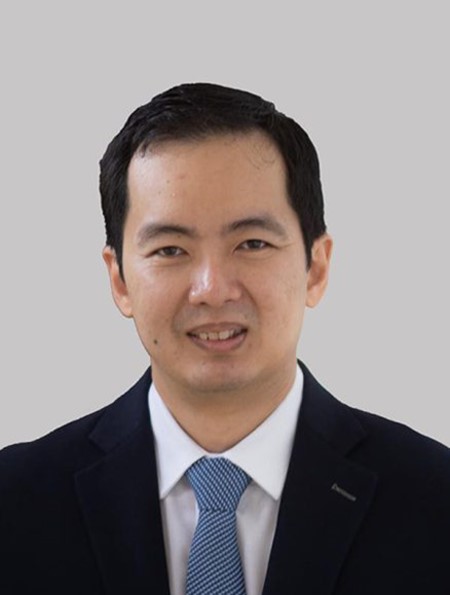
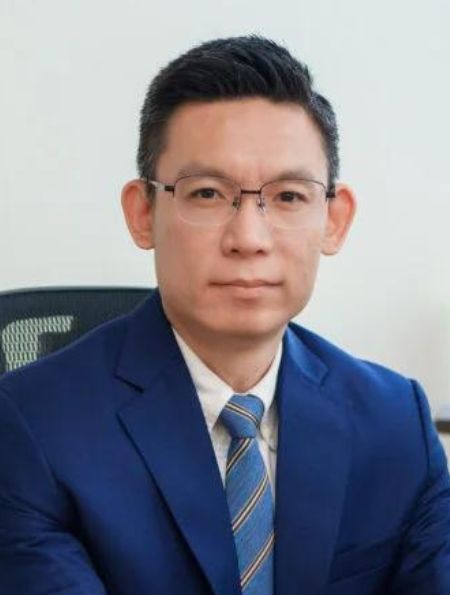
Dr Tan Wee Boon
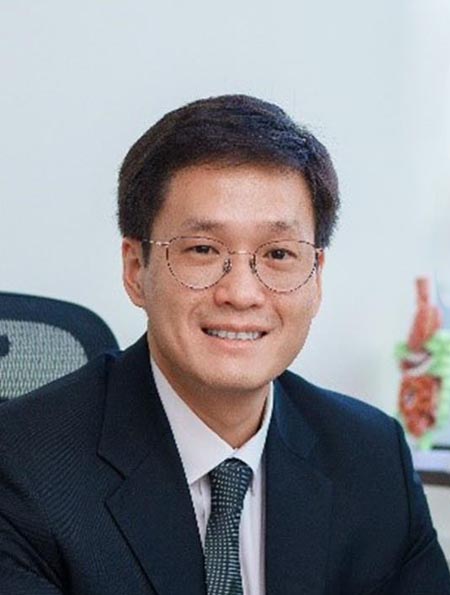
Dr Kim Guowei
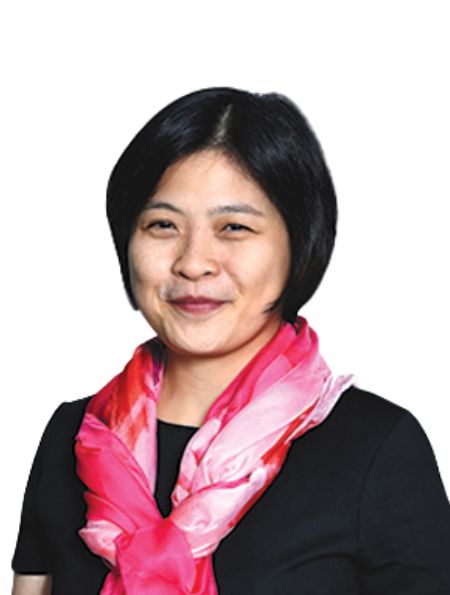
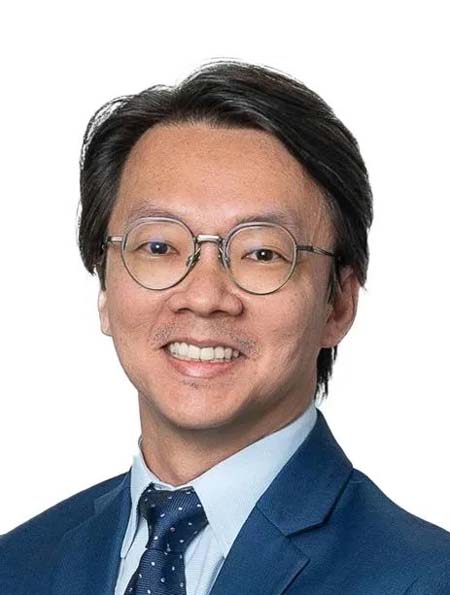
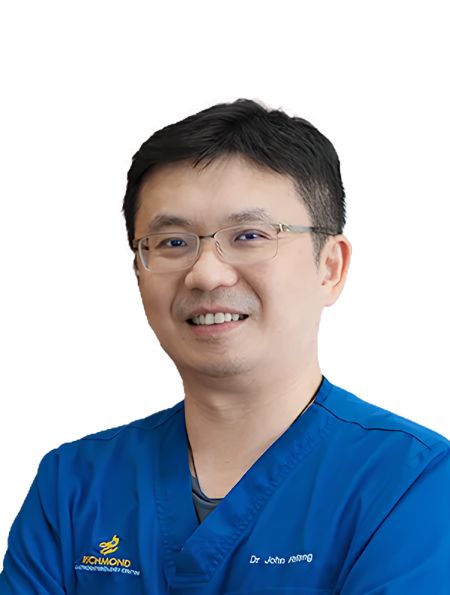
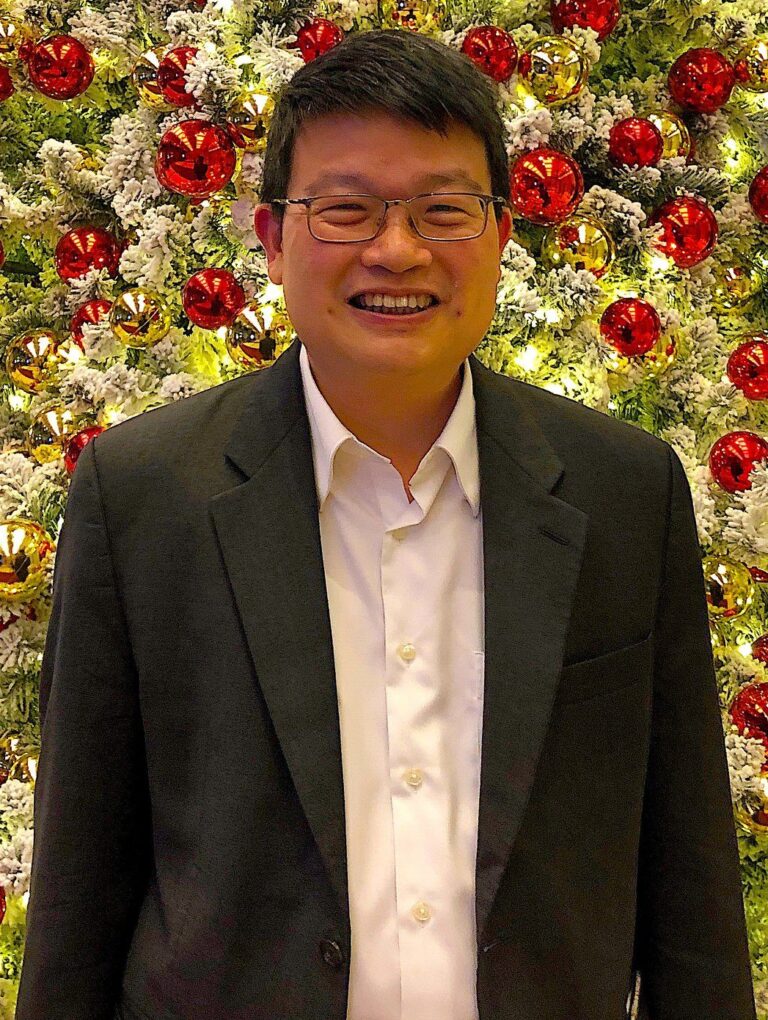
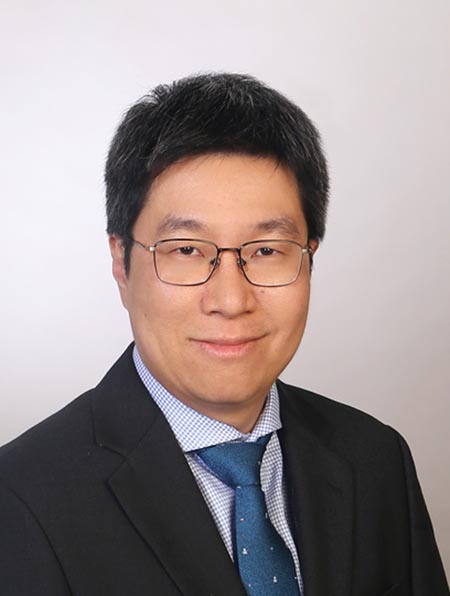

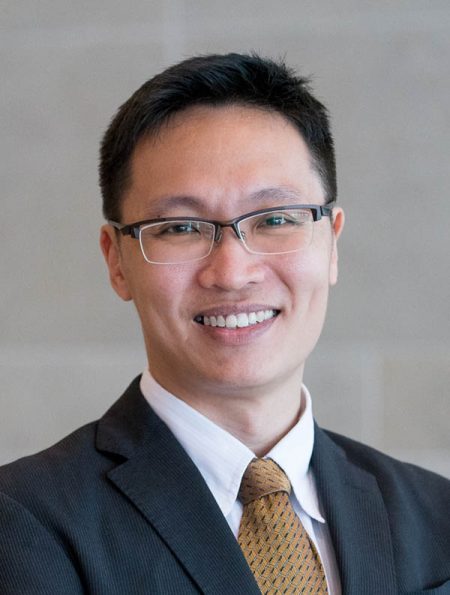
Dr Chong Choon Seng 张峻诚医生
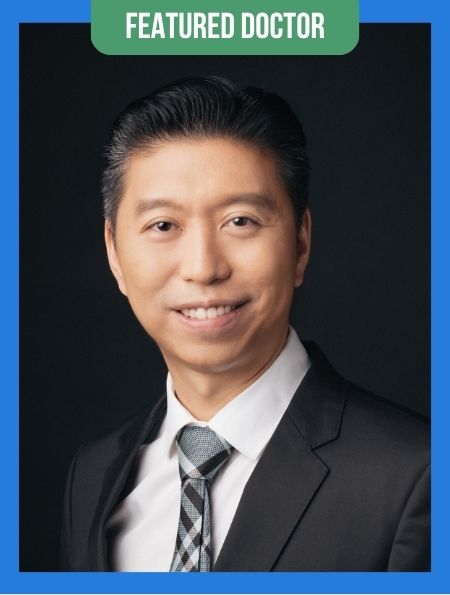
[SG] Featured Doctor- Dr Kevin Koo
Contact Us For An Appointment With A Cancer Specialist
Finding a suitable doctor to consult on cancer treatment options may be a daunting task. We can help get an appointment with a specialist in Singapore or in the region.
Three guides which you may find useful:
- Finding The Best Colorectal Surgeon in Singapore.
- Finding The Best Stomach Cancer Surgeon In Singapore.
- Finding The Best Oncologist In Singapore.
For an appointment, contact us via the button below.
Contact UsBack To: Cancer Treatments Main Page
Back To: Cancer Main Page
All content on this site is informative only and is not intended to be a substitute for professional medical advice, diagnosis, or treatment, and should never be relied upon for specific medical advice. If you are experiencing a medical emergency, call 995 immediately or go to the nearest Accident & Emergency department.
health365.sg is a member of Group 365Asia.