

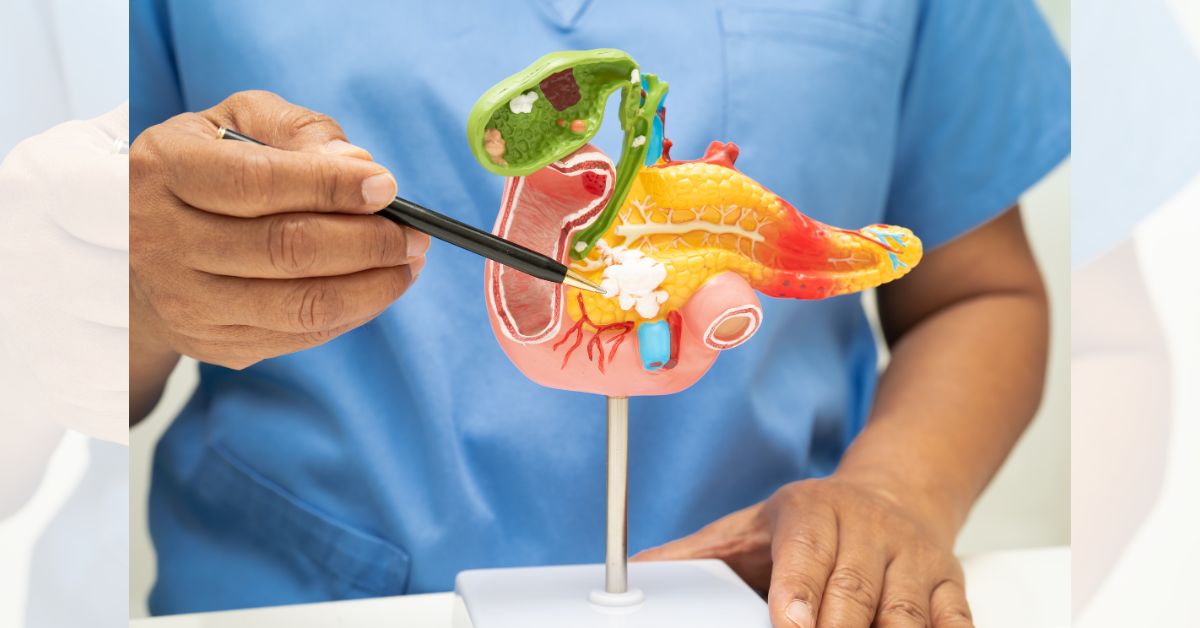
Gallstones are hard deposits develops in the gallbladder when bile becomes supersaturated with cholesterol or other substances. These stones can cause inflammation and lead to serious health issues if the condition is left untreated. Surgery becomes necessary to remove the gallbladder through a procedure called cholecystectomy in severe cases. Here are the essential information regarding what to expect before, during, and after undergoing gallstone removal surgery. Understanding the process and being well-informed can enhance your preparation for the surgery.
Get In Touch With A Gallbladder Surgeon
Contact UsBack To: Gallbladder Health Main Page
What Makes Gallstone Removal Surgery Necessary?
Medical treatments like dietary adjustments (low-fat, high-fiber diets) and medications can be initiated first to manage gallstones without surgery. These methods may be sufficient for some patients. However, if they fail to resolve the issue, then gallstone removal surgery is required. Understanding when surgery might be necessary is crucial for setting realistic expectations.
In such cases, patients experience symptoms like pain in the upper right abdomen, nausea, and bloating, indicating an urgent need for medical intervention.
Preparing for Surgery
Preparation is key to a successful outcome. Here’s how you can prepare yourself for the procedure:
1. Stop Smoking
– Smoking can increase the risk of complications during surgery and prolong recovery. It is essential to stop smoking well before your procedure, preferably months in advance.
2. Dietary Adjustments: Low-Fat Diet
– A low-fat diet rich in fibre helps reduce inflammation and promotes healing. Avoiding fatty or greasy foods is crucial to prevent complications like pancreatitis. Focus on whole grains and vegetables for optimal health benefits.
3. Regular Exercise
– Exercise enhances overall health and can mitigate complications, but it’s wise to avoid heavy lifting before surgery.
4. Sleep Well
– Adequate sleep aids recovery and reduces stress. Aim for 7-8 hours of restful sleep each night to support your body’s healing process.
5. Discuss Medications with Your Doctor
– Inform your doctor about all medications you’re taking, as some might be discontinued prior to surgery.
Risks And Complications Of Gallstone Removal Surgery
While most patients recover well from gallstone removal surgery, it’s crucial to understand potential complications:
1. Infection Risk
– Infections can develop post-surgery if not promptly addressed. Monitoring for signs of infection, like fever or redness in wounds, is vital.
2. Bile Duct Injury
– This rare complication occurs when bile ducts are accidentally damaged during surgery, potentially causing long-term issues.
3. Intestinal Obstruction
– Scar tissue can form abdominal blockages that require medical intervention post-surgery.
4. Pancreatitis
– Inflammation of the pancreas may develop after surgery and needs immediate medical attention to prevent serious health consequences.
Need Assistance To Find A Gallbladder Surgeon?
Contact UsWhat to Expect on Surgery Day: A Step-by-Step Overview
On the day of your surgery:
1. Arrive Early
– Plan to arrive at least two hours before your scheduled time to allow for pre-operative checks and preparation. This gives healthcare providers ample opportunity to ready you for the procedure.
2. Wear Comfortable Clothing
– Dress in comfortable, loose clothing that allows for easy movement and avoids removing items during surgery. Avoid wearing jewellery or watches to prevent potential injury.
3. Follow Pre-Surgery Instructions
– Your doctor will provide specific instructions regarding meals and medications before your procedure. Adhering to these guidelines is crucial for safety and success.
Post-Surgery Care: Embracing Recovery
After your surgery, recovery is essential. Here’s how to approach it:
1. Pain Management: Address Discomfort
– Painkillers may be prescribed to manage discomfort post-surgery. Follow your healthcare provider’s advice regarding medication dosage and timing.
2. Dietary Adjustments: Avoiding Fatty Foods
– Post-surgery, adhere to a low-fat diet to prevent issues like pancreatitis. Focus on lean proteins, whole grains, vegetables, and fruits for optimal recovery.
3. Activity Level: Avoid Heavy Lifting
– Stay active within safe limits but avoid heavy lifting or repetitive bending until fully healed. Gentle exercises like walking are advisable post-surgery.
4. Monitor Symptoms: Stay Vigilant
– Watch out for symptoms indicating infection, such as fever, redness, or swelling around surgical sites. Prompt medical attention can prevent complications.
Frequently Asked Questions (FAQs)
1. Will I need antibiotics during and after surgery?
Yes, you may be prescribed antibiotics either pre-emptively or post-surgery to reduce infection risk. Discuss these details with your doctor.
2. Can I eat before surgery?
Generally, it’s advised not to eat anything after midnight the night before surgery to prevent complications like nausea or vomiting.
3. How long will it take to recover from surgery?
Recovery varies based on individual factors such as health history and whether complications occur. Most patients resume normal activities in about two weeks, though it can take longer for some.
4. Will having my gallbladder removed affect how I digest fats?
Yes, you’ll need to follow a low-fat diet post-surgery to prevent complications related to fat absorption. This dietary adjustment is crucial for long-term health.
5. Can I still eat fatty foods after surgery?
No, it’s generally advised not to consume fatty or greasy foods post-surgery to minimise the risk of issues like pancreatitis.
Our Preferred Doctors (Gallbladder Surgeon) For Gallbladder Surgery



[SG] Featured Doctor- Dr Kevin Koo
Being Prepared For Gallstone Removal Surgery
This comprehensive guide provides a thorough understanding of gallstone removal surgery, from preparation to recovery and beyond. By being well-informed about these aspects, you can feel more confident in your journey toward health and recovery. Remember to consult with healthcare professionals whenever possible and seek advice for any additional questions or concerns.
Need To Explore Gallstone Removal Surgery With A Gallbladder Surgeon?
Contact UsBack To: Gallbladder Health Main Page
All content on this site is informative only and is not intended to be a substitute for professional medical advice, diagnosis, or treatment, and should never be relied upon for specific medical advice. If you are experiencing a medical emergency, call 995 immediately or go to the nearest Accident & Emergency department.
health365.sg is a member of Group 365Asia.