

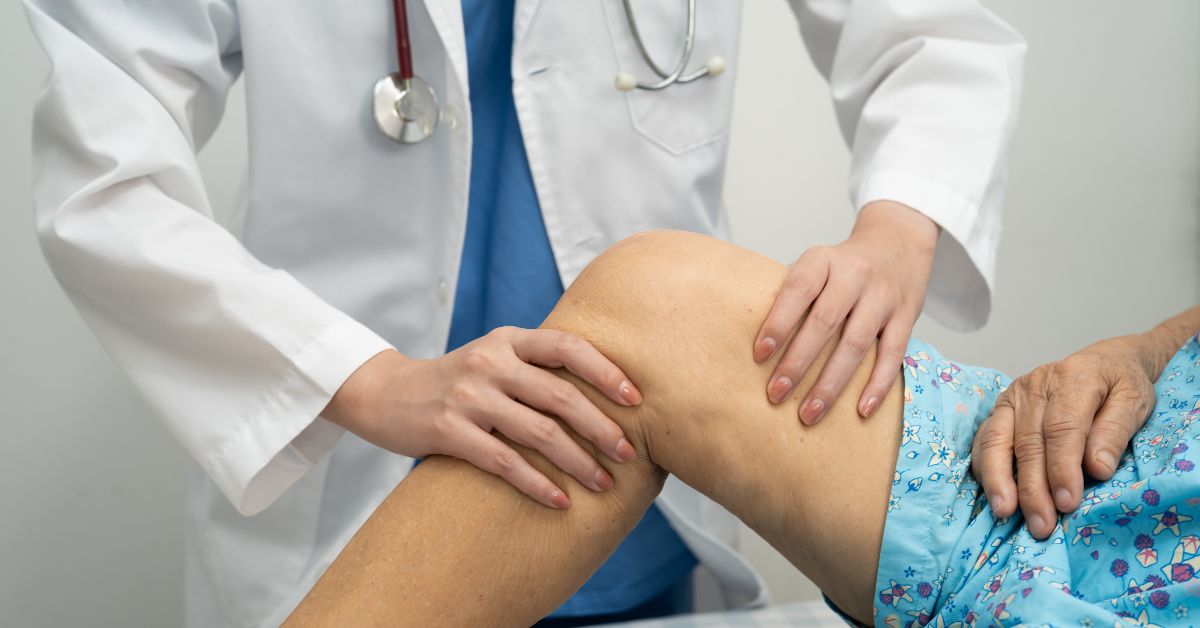
Knee joint pain is a frequent complaint among the local population, often resulting from sports injuries, age-related degeneration, or sedentary lifestyles. While many patients fear that a visit to an orthopaedic surgeon will inevitably lead to the operating theatre, the medical landscape in Singapore prioritises conservative management wherever possible. There is a wide array of non-surgical treatment for knee joint pain that can effectively restore function and alleviate discomfort without the need for invasive surgery.
Get An Appointment With An Orthopaedic Specialist
Contact UsBack To: Orthopaedic Care In Singapore: Lower Limbs Main Page
Clinical Assessment And Diagnosis
Before embarking on any treatment, orthopaedic specialists in Singapore perform a rigorous clinical evaluation. This typically involves a physical examination to check for joint stability, range of motion, and swelling. Imaging modalities such as X-rays are used to assess bone alignment and joint space, while Magnetic Resonance Imaging (MRI) may be utilised to visualise soft tissues like ligaments and cartilage. An accurate diagnosis is fundamental to selecting the most appropriate non-surgical pathway.
Physical Therapy And Rehabilitation
Physiotherapy remains the cornerstone of non-surgical treatment for knee joint pain in Singapore. A structured rehabilitation programme aims to address the mechanical causes of pain rather than just the symptoms.
- Muscle Strengthening: Strengthening the quadriceps, hamstrings, and gluteal muscles helps to offload the stress placed on the knee joint.
- Flexibility Exercises: Improving the elasticity of the muscles and tendons around the knee can reduce stiffness and prevent further injury.
- Gait Retraining: Physiotherapists often analyse a patient’s walking pattern to correct biomechanical imbalances that contribute to joint wear and tear.
Lifestyle Modifications And Weight Management
In a city-state where the prevalence of metabolic conditions is a concern, doctors heavily emphasise lifestyle changes. For every kilogramme of body weight lost, there is a four-fold reduction in the load exerted on the knee joint during daily activities.
- Weight Loss: This is perhaps the most effective long-term strategy for managing knee osteoarthritis.
- Activity Adjustment: Patients are often advised to transition from high-impact sports, such as running or netball, to low-impact activities like swimming, hydrotherapy, or cycling, which maintain cardiovascular health without straining the joints.
Pharmacological Interventions
Medication is frequently used to manage the inflammatory component of knee pain.
- Oral Medications: Non-steroidal anti-inflammatory drugs (NSAIDs) are commonly prescribed to reduce pain and swelling.
- Topical Treatments: For patients who may have contraindications to oral NSAIDs, such as those with gastric issues, topical gels or patches can provide localised relief with fewer systemic side effects.
Advanced Injectable Therapies
When oral medications and physiotherapy are insufficient, Singaporean orthopaedic surgeons may recommend injectable treatments. These are performed in a clinic setting and involve delivering therapeutic substances directly into the joint space or surrounding tissues.
Lubrication Injections (Viscosupplementation)
This treatment involve injecting hyaluronic acid into the knee joint. Hyaluronic acid is a naturally occurring substance in the synovial fluid that lubricates the joint. In patients with osteoarthritis, the quality of this fluid diminishes. Supplementing it can provide a “cushioning” effect, reducing friction and pain during movement.
Blood Plasma Therapy (PRP)
Platelet-Rich Plasma (PRP) therapy involves drawing a small amount of the patient’s blood, processing it to concentrate the platelets, and injecting it back into the knee. Platelets contain growth factors that are believed to modulate the inflammatory environment and potentially support the repair of chronic tendon issues or early-stage cartilage wear.
Autologous Protein Solution (APS) Injections
APS is an advanced form of blood-derived therapy. It creates a concentrated solution of anti-inflammatory proteins (cytokines) and growth factors from the patient’s own blood. It is specifically designed to combat the “pro-inflammatory” proteins that cause pain and cartilage breakdown in osteoarthritic knees.
Corticosteroid Injections
While not a long-term solution, corticosteroid injections are highly effective for “cooling down” an acutely inflamed and swollen knee, providing rapid relief that allows a patient to participate more effectively in physiotherapy.
Orthotics And Bracing
External supports can play a significant role in managing knee instability or malalignment.
- Unloader Braces: These are specifically designed for patients with unicompartmental knee osteoarthritis. The brace shifts the pressure from the damaged side of the knee to the healthier side.
- Custom Orthotics: Foot arch supports or lateral wedge insoles can alter the alignment of the lower limb, thereby reducing the stress on the knee joint.
Our Preferred Doctors (Orthopaedic Specialist) for Knee Joint Pain Treatment
If you are looking for an orthopaedic specialist for knee joint pain treatment, you can consider our Preferred Doctors:
- Dr Kevin Koo is an orthopaedic surgeon with more than 20 years of experience, particularly in managing foot and ankle conditions as well as joint and sports-related problems. He combines minimally invasive techniques with evidence-based care, which may help patients recover function and return to activity more smoothly.
- Dr Ananda Vella is an orthopaedic surgeon with over 20 years of experience treating a wide range of lower limb, sports and general orthopaedic conditions. His expertise includes minimally invasive and arthroscopic techniques for foot and ankle problems, knee and hip conditions, and sports injuries.
- Dr Bryan Wang is an experienced orthopaedic surgeon in Singapore known for his patient-centred approach, advanced minimally invasive techniques, and comprehensive management of complex shoulder conditions.



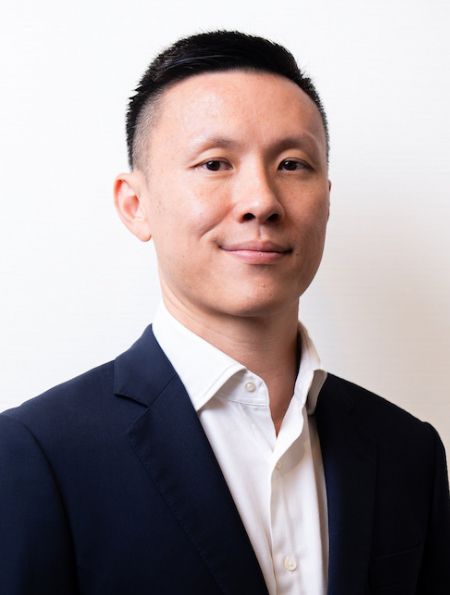
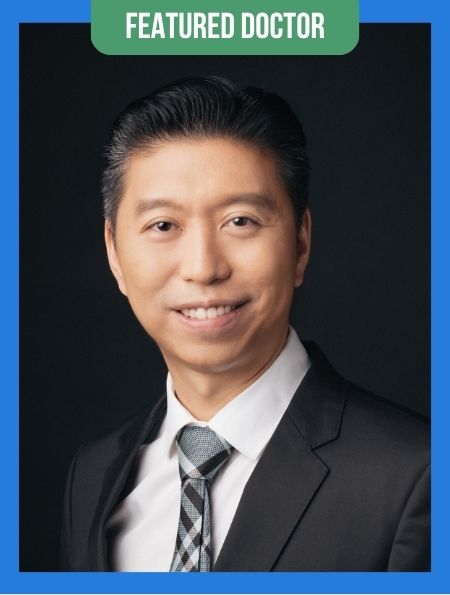
[SG] Featured Doctor- Dr Kevin Koo
Take Control Of Your Joint Health Today
If you are experiencing persistent knee discomfort, early intervention is the best way to avoid the need for surgery in the future. Many patients find that a combination of the non-surgical treatments mentioned above provides a significant return to their desired activity levels.
Contact UsBack To: Orthopaedic Care In Singapore: Lower Limbs Main Page
All content on this site is informative only and is not intended to be a substitute for professional medical advice, diagnosis, or treatment, and should never be relied upon for specific medical advice. If you are experiencing a medical emergency, call 995 immediately or go to the nearest Accident & Emergency department.
health365.sg is a member of Group 365Asia.