


Singapore has long been recognised for its exceptional medical infrastructure and advanced surgical capabilities. Patients from around the region seek care in Singapore for a variety of health conditions, ranging from cancer and heart disease to complex trauma and orthopaedic disorders. When choosing the right type of surgery in Singapore, understanding the available options and when each is used is essential for making informed healthcare decisions.
This guide outlines the major types of surgery available in Singapore, explains when each is typically applied, and provides insights into the cost structure of private sector surgical treatments.
Looking To Consult With A Surgeon?
Back To: Surgical Treatments Main Page
Types Of Surgery In Singapore
Open Surgery
Open surgery is the most traditional form of surgical intervention. It involves a sizeable incision to provide the surgeon with direct access to the affected organ or structure. This method allows for full visibility and manual manipulation, which is often necessary in highly complex or extensive procedures.
When It Is Used:
- Large or deeply embedded tumours
- Multi-organ procedures
- Severe trauma where rapid access is required
- Coronary artery bypass and major orthopaedic reconstructions
Despite advancements in minimally invasive techniques, open surgery remains indispensable in cases where visibility, tactile feedback, or manual access are paramount.
Laparoscopic (Keyhole) Surgery
Laparoscopic surgery, commonly referred to as keyhole surgery, uses small incisions and a camera-equipped instrument (laparoscope) to guide the procedure. It typically results in reduced postoperative pain, lower infection risk, and shorter hospital stays.
When It Is Used:
- When disease is localised and accessible via small ports
- For abdominal and pelvic conditions (e.g., gallbladder removal, appendicectomy, colon cancer resection)
- In patients where faster recovery and minimal scarring are preferred
However, not all patients or conditions are suitable for this approach. Patients with prior surgeries or extensive disease spread may require open procedures instead.
Need A Surgeon For Keyhole Or Robotic Surgery?
Contact MedicalTravel.asiaRobotic-Assisted Surgery
Robotic surgery in Singapore is performed using advanced systems such as the Da Vinci Surgical System. It builds on laparoscopic methods by giving surgeons enhanced dexterity, precision, and visualisation through robotic arms controlled via a console.
When It Is Used:
- For intricate procedures in confined spaces (e.g., prostate cancer, gynaecological tumours)
- When precise dissection is critical to avoid damage to surrounding nerves or vessels
- In patients who may benefit from better cosmetic outcomes and shorter hospitalisation
Although robotic surgery offers significant benefits, it is more costly and may not be necessary for straightforward cases.
Common Conditions Treated With Surgery In Singapore
Cancer
Surgery remains a cornerstone in cancer treatment, particularly when the disease is detected early and remains confined to a specific organ. The type of surgery selected will depend on the tumour’s location, stage, and patient condition.
Heart Disease
Surgical intervention is essential in treating conditions such as severe coronary artery disease, valve dysfunction, and structural heart abnormalities. Procedures such as coronary artery bypass grafting and valve replacements are commonly performed.
Vascular Disease
Vascular surgery addresses blood vessel-related issues, including blocked arteries, aneurysms, and varicose veins. Depending on the severity, either open vascular surgery or minimally invasive endovascular techniques are employed.
Cerebrovascular Disease
Neurosurgical procedures are required for patients with brain aneurysms, strokes, or haemorrhages. Craniotomies, aneurysm clipping, and cerebral bypasses are some of the advanced techniques used in these cases.
Trauma And Emergency Surgery
For patients with acute injuries — such as from traffic accidents or falls — trauma surgery provides life-saving intervention. Surgeons work quickly to stop bleeding, repair organ damage, or stabilise fractures.
Orthopaedic Surgery
Orthopaedic interventions treat musculoskeletal conditions including arthritis, ligament injuries, and spinal disorders. Surgical options include joint replacements, spinal fusions, and arthroscopic repairs.
Get A Consultation With A Surgeon On Your Surgery Concerns Today
Contact MedicalTravel.asiaCost Components Of Private Surgical Treatment In Singapore
The total cost of undergoing surgery in Singapore’s private healthcare sector can vary widely, depending on the type of surgery, complexity, length of hospital stay, and other clinical requirements.
Room And Ward Charges
Private room rates in Singapore can range from S$500 to S$1,200 per night, depending on the hospital and room type. Suites and deluxe rooms will command substantially higher rates.
Hospital Facility Fees
These include charges for the use of the operating theatre, surgical equipment, sterile facilities, and nursing services. For major procedures, private hospital facility fees can range from S$20,000 to S$30,000 or more.
Surgeon Fees
Surgeon fees are determined by the procedure’s complexity and the surgeon’s seniority. These fees typically range from S$3,000 to S$20,000, though complex or robotic procedures may exceed this range.
Anaesthetist Fees
Anaesthetists charge separately for their services based on procedure duration, patient risk profile, and monitoring required. These are usually billed in addition to the surgeon’s and facility fees.
Consumables And Medications
Items such as surgical staples, mesh implants, medications, and intravenous fluids are commonly used and billed separately. The cost of consumables can vary widely depending on the surgical specialty and materials required.
Our Preferred Doctors For Surgical Treatments
You may consider our Preferred Doctors if you are looking for surgical treatment in Singapore
General Surgeons



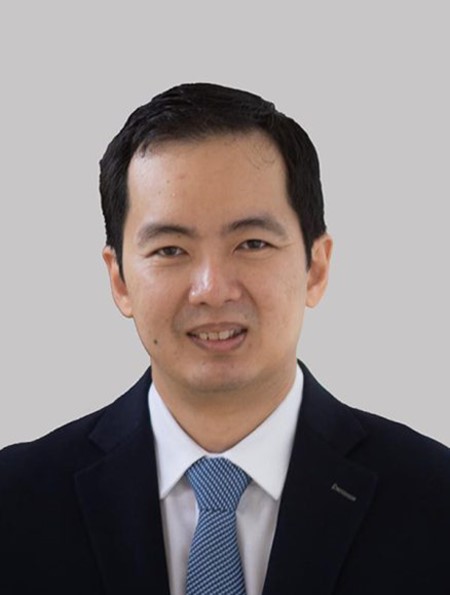
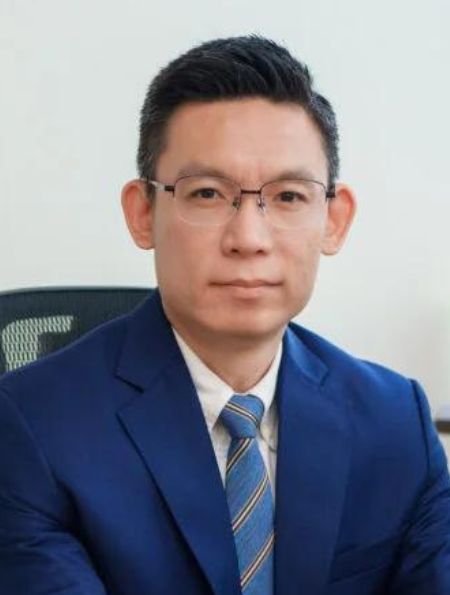
Dr Tan Wee Boon
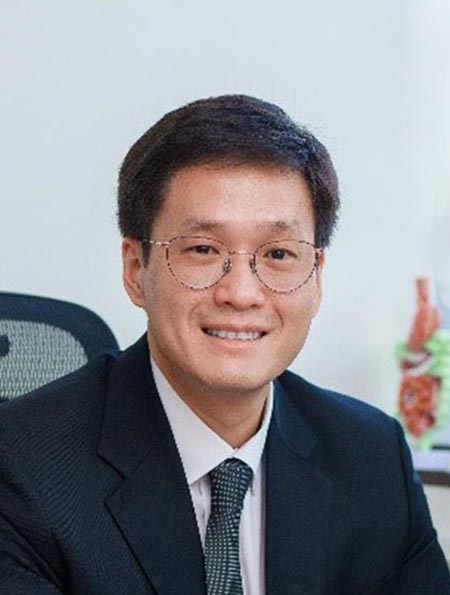
Dr Kim Guowei

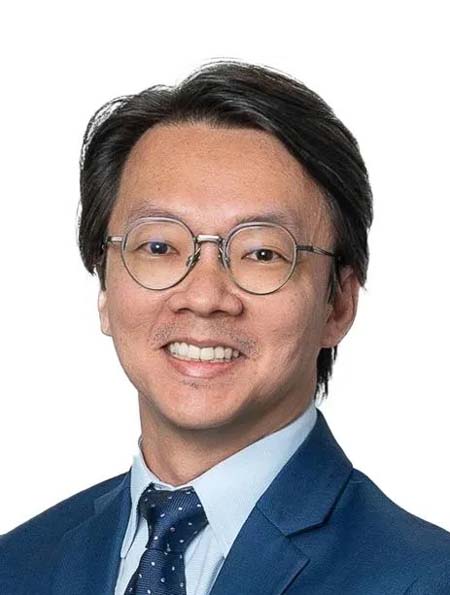
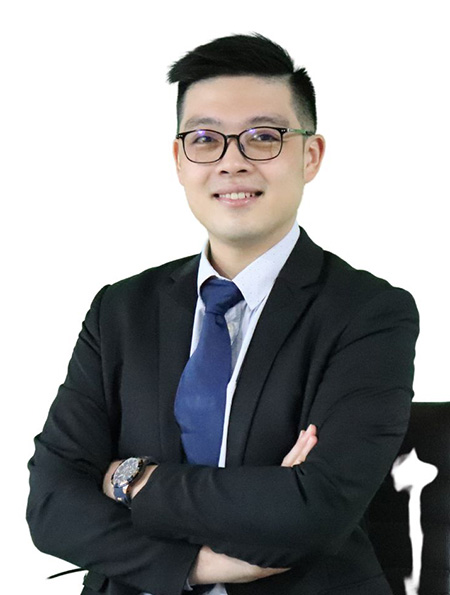
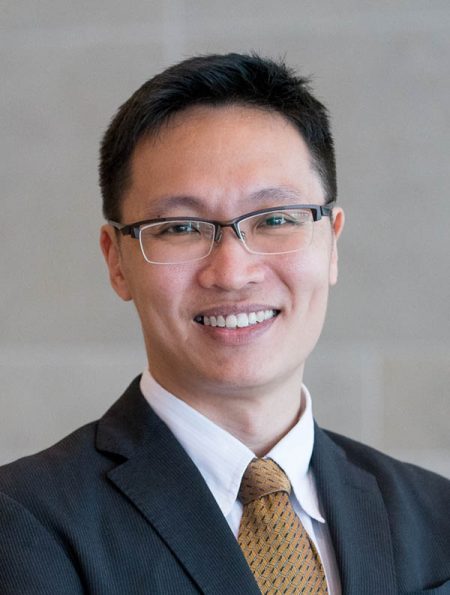
Dr Chong Choon Seng 张峻诚医生

[SG] Featured Doctor- Dr Juanda Leo Hartono
Cardiothoracic Surgeons

[SG] Featured Doctor- Dr Juanda Leo Hartono
Orthopaedic Surgeons




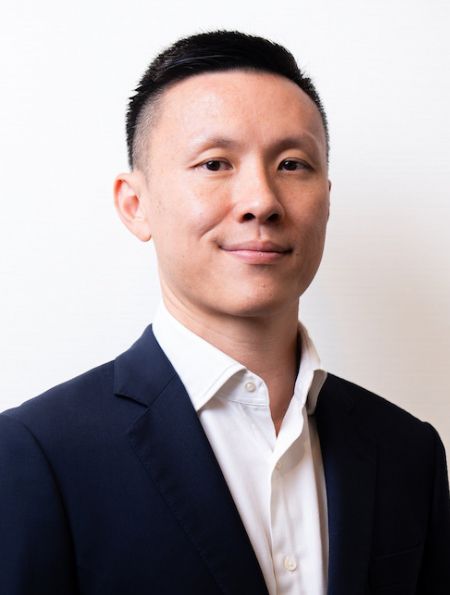
[SG] Featured Doctor- Dr Juanda Leo Hartono
Urologists
Final Thoughts On Types Of Surgery In Singapore
Choosing the appropriate type of surgery in Singapore depends on a thorough evaluation of the medical condition, disease severity, and patient-specific considerations. With a full spectrum of surgical capabilities — from open to robotic-assisted — surgeons in Singapore offer high-quality outcomes backed by strong clinical expertise.
For patients in the private sector, understanding the breakdown of surgical costs is equally important in planning for financial readiness. While insurance and MediSave schemes may defray part of the cost, out-of-pocket expenditure can be significant, particularly for elective procedures or premium hospital services.
Before proceeding with surgery, it is advisable to consult with a multidisciplinary team to determine the most suitable surgical approach and obtain a clear estimate of the associated charges.
Need Assistance To Find A Surgeon?
Contact MedicalTravel.asiaWatch Interview Video: Dr Lee Kuok Chung Explains Colorectal Cancer Screening, Treatment, Robotic Surgery, And Costs
Watch Interview Video: Dr Kim Guowei explains stomach cancer symptoms, diagnosis and treatment options. Should you consider robotic surgery?
Watch Interview Video: Dr Tan Wee Boon explains thyroid conditions and their symptoms. When are they cancerous?
Watch Interview Video: Dr Bryan Wang Explains Golfer’s Elbow
Watch Interview Video: Dr Ananda Vella Explains Bunions
Back To: Surgical Treatments Main Page
All content on this site is informative only and is not intended to be a substitute for professional medical advice, diagnosis, or treatment, and should never be relied upon for specific medical advice. If you are experiencing a medical emergency, call 995 immediately or go to the nearest Accident & Emergency department.
health365.sg is a member of 365Asia.