


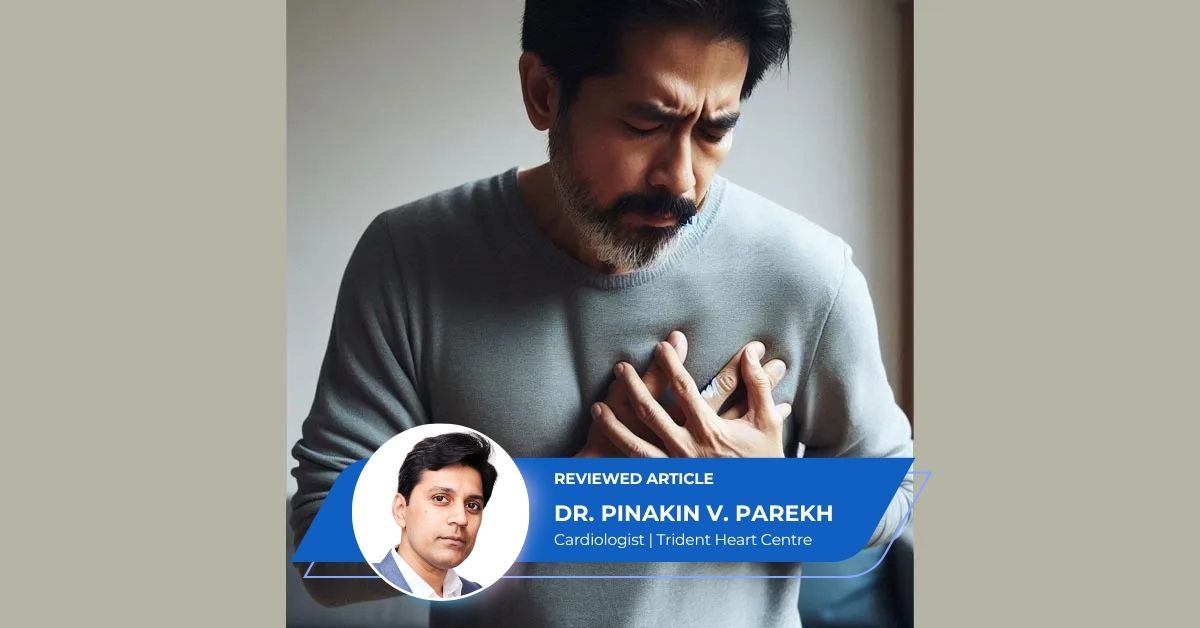
A person suddenly collapses clutching his chest – is it a heart attack? It might in fact not be accurate to say so. “Heart Attack” vs “Cardiac Arrest” are 2 terms often used interchangeably. However, while one might lead to the other, they are in fact two different medical conditions.
What Is A Heart Attack?
A heart attack, also known as a myocardial infarction, occurs when blood flow to a part of the heart muscle is blocked. This blockage is usually caused by a buildup of plaque in the coronary arteries (coronary artery disease). When the heart muscle is deprived of oxygen-rich blood, it becomes damaged and can start to die. Symptoms of a heart attack can include chest pain, shortness of breath, nausea, and lightheadedness. Early intervention is crucial to minimize heart damage and increase the chances of survival.
Contact UsLearn More: Guide To Coronary Artery Disease
What Is A Cardiac Arrest?
Cardiac arrest, on the other hand, is a sudden, unexpected loss of heart function, breathing, and consciousness. It is caused by an electrical malfunction in the heart that disrupts its normal rhythm, leading to an erratic heartbeat (arrhythmia) or stopping it altogether. Unlike a heart attack, which involves a blockage, cardiac arrest is primarily an electrical issue. Immediate medical intervention, such as cardiopulmonary resuscitation (CPR) and defibrillation, is essential to restore a normal heartbeat and prevent death. A cardiac arrest often happens as a result of a heart attack.
Heart Attack Vs Cardiac Arrest: Key Differences
While both heart attack and cardiac arrest are serious medical emergencies, they are not the same. Here are the key differences:
- Cause:
- Heart Attack: Caused by a blockage in the coronary arteries.
- Cardiac Arrest: Caused by an electrical malfunction in the heart.
- Symptoms:
- Heart Attack: Chest pain, shortness of breath, nausea, lightheadedness.
- Cardiac Arrest: Sudden collapse, no pulse, no breathing, loss of consciousness.
- Treatment:
- Heart Attack: Requires medication, angioplasty, or surgery to restore blood flow.
- Cardiac Arrest: Requires immediate CPR and defibrillation to restore normal heart rhythm.
Incidence Of Heart Attack And Cardiac Arrest In Singapore
In Singapore, heart disease is a leading cause of death, and both heart attacks and cardiac arrests are significant contributors. According to the Ministry of Health and the Singapore Heart Foundation, about 23 people die from cardiovascular disease (heart disease and stroke) every day in Singapore. Cardiovascular disease accounted for 30.9% of all deaths in 2023. This means that almost 1 out of 3 deaths in Singapore is due to heart diseases or stroke. Specifically for coronary artery disease, the percentage of deaths attributable to it in Singapore in 2023 is 19.7%. More men than women die from coronary artery disease.
Prevention and Early Intervention
Preventing heart attacks and cardiac arrests involves managing risk factors such as high blood pressure, high cholesterol, smoking, obesity, and physical inactivity. Regular health check-ups, a balanced diet, and an active lifestyle can help reduce the risk. Recognizing the symptoms and knowing how to respond in emergencies can also save lives.
Consult A Doctor On Coronary Artery Disease
Heart attack and cardiac arrest are two distinct medical emergencies with different causes, symptoms, and treatments. Both however, are medical emergencies and medical attention should be ought immediately if symptoms are experienced. Screening for coronary artery disease for early detection and intervention is key to preventing heart attacks.
Learn More: Screening For Coronary Artery Disease
For an appointment with a cardiologist or heart specialist, contact us via the button below.
Contact UsThis medical content has been reviewed by Dr Pinakin V Parekh, a highly respected cardiologist with over 25 years of clinical experience, specialising in the management of complex coronary artery disease and hypertension, including coronary angiography, coronary angioplasty, and microvascular angina testing. His patient-centric approach and deep expertise in vascular health make him a trusted specialist for those seeking to diagnose and manage the underlying cardiovascular conditions.
All content on this site is informative only and is not intended to be a substitute for professional medical advice, diagnosis, or treatment, and should never be relied upon for specific medical advice. If you are experiencing a medical emergency, call 995 immediately or go to the nearest Accident & Emergency department.
health365.sg is a member of Group 365Asia.