

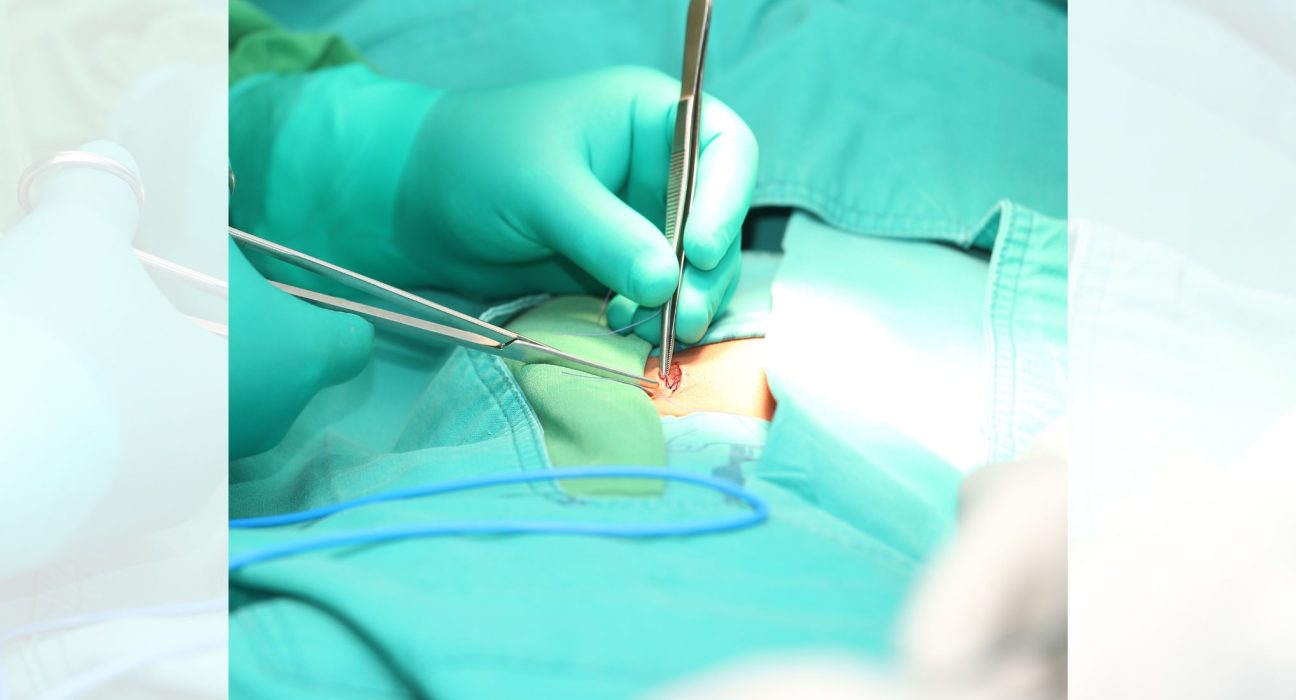
Hernias are a common condition that occur when an internal part of the body pushes through a weakness in the surrounding muscle or tissue wall. While hernias can affect various parts of the body, they most frequently develop in the abdominal or groin region. Though they may start as mild discomfort or a visible bulge, hernias do not resolve on their own and often worsen over time. This is why hernia repair is a crucial medical procedure that should not be delayed.
Consult A Surgeon On Hernia Repair
Contact UsGet Surgical Treatment For Hernia
Back To: Surgical Treatments Main Page
What Is A Hernia?
A hernia forms when tissue—often part of the intestine or fat—protrudes through a weakened spot in the muscle wall. The most common types include inguinal hernias (in the groin), femoral hernias, umbilical hernias, and hiatus hernias (in the upper stomach area). Hernias may be caused by a combination of muscle weakness and strain, and they are more likely to occur due to heavy lifting, obesity, persistent coughing, pregnancy, or a previous surgical incision.
Symptoms can range from a mild bulge or discomfort to sharp pain, especially when bending over, lifting, or coughing. In severe cases, a hernia can become strangulated, cutting off blood supply to the trapped tissue—a potentially life-threatening condition requiring immediate surgery.
What Does Hernia Repair Involve?
Hernia repair, also known as herniorrhaphy or hernioplasty, is a surgical procedure to correct the defect in the muscle wall. The goal is to return the displaced tissue to its proper position and reinforce the weakened area to prevent recurrence.
There are two main approaches to hernia repair:
- Open Surgery: The surgeon makes an incision near the hernia site, pushes the herniated tissue back in place, and reinforces the muscle wall—often using synthetic mesh for added strength.
- Laparoscopic Surgery: This minimally invasive method involves several small incisions through which a camera and surgical tools are inserted. The hernia is repaired from within, usually with mesh. Laparoscopic surgery typically results in less postoperative pain, smaller scars, and quicker recovery.
Both methods are safe and effective. The choice between them depends on the size and type of hernia, the patient’s overall health, and the surgeon’s recommendation.
Get Surgical Treatment For Hernia
Get PET/CT Scan Facts And Book A Scan
Why Hernia Repair Is Important
Hernias rarely improve without intervention and tend to grow larger over time. Delaying treatment can increase the risk of complications such as incarceration (where the hernia gets stuck) or strangulation, both of which are medical emergencies. Early repair reduces the chance of these serious outcomes and improves the patient’s quality of life.
In addition to relieving pain and discomfort, timely hernia repair allows individuals to return to their normal activities sooner and prevents long-term issues like chronic pain or digestive problems.
Our Preferred Doctors For Hernia Repair

Click For A List: General Surgeons (Hernia)
Book A Consultation Today
If you suspect you may have a hernia or have already been diagnosed, don’t delay treatment. Early assessment by a qualified surgeon is key to a successful outcome. Contact us today to schedule an appointment and get expert advice on the best approach to hernia repair. Your health and comfort are our priority—let us help you take the next step toward recovery.
Contact UsPreferred Doctors: Dr Tan Wee Boon (General Surgeon – Hernia)
Click For A List: General Surgeons (Hernia)
Get Surgical Treatment For Hernia
Get PET/CT Scan Facts And Book A Scan
Get A Comprehensive Health Screening Package
Back To: Surgical Treatments Main Page
All content on this site is informative only and is not intended to be a substitute for professional medical advice, diagnosis, or treatment, and should never be relied upon for specific medical advice. If you are experiencing a medical emergency, call 995 immediately or go to the nearest Accident & Emergency department.
health365.sg is a member of Group 365Asia.