

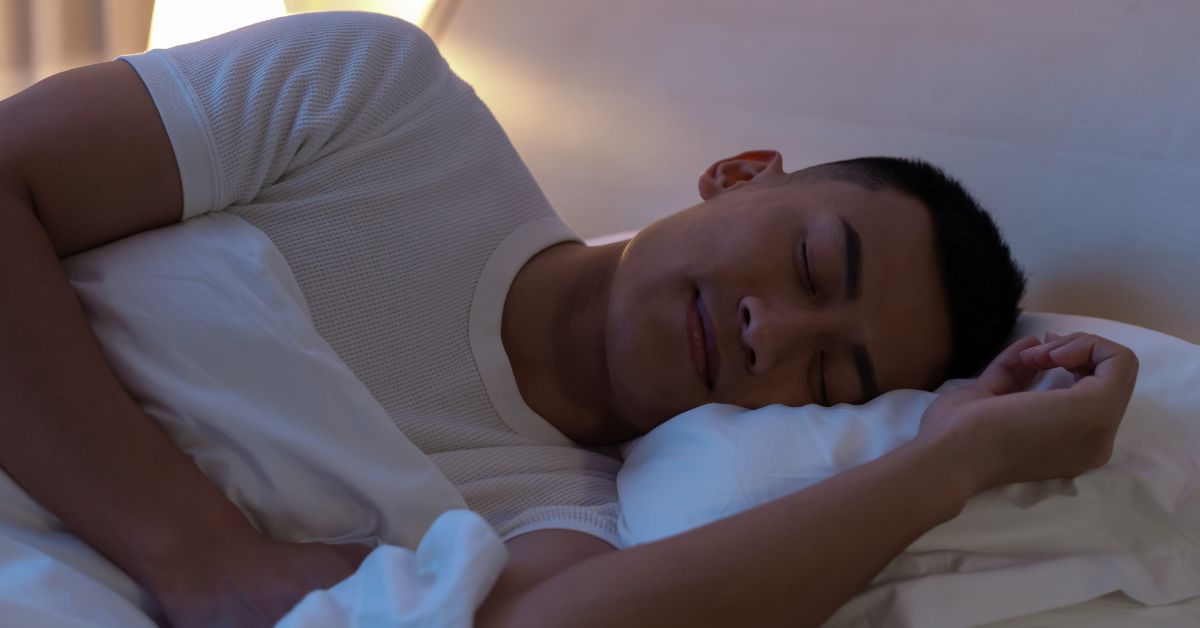
Snoring is a common problem that can affect both the person snoring and their sleeping partner. While occasional snoring may not be a concern, persistent snoring could indicate an underlying health issue. If you are searching for ways to stop snoring, this article will provide you with effective solutions to help you reduce snoring and improve your sleep quality.
Learn more: ENT Health >>
What Causes Snoring?
Snoring occurs when airflow is partially blocked during sleep, causing vibrations in the throat. Some common causes include:
- Nasal congestion – Blocked airways due to allergies, sinus infections, or colds.
- Obesity – Excess fat around the neck can restrict airflow.
- Sleep position – Sleeping on the back can cause the tongue to fall backward, narrowing the airway.
- Alcohol and sedatives – These relax the throat muscles, increasing the likelihood of snoring.
- Enlarged tonsils or adenoids – Common in both adults and children.
- Obstructive Sleep Apnea (OSA) – A serious condition where breathing repeatedly stops and starts during sleep.
Tips On How to Stop Snoring
If snoring is disrupting your sleep or causing fatigue, consider the following solutions:
Tip #1: Adjust Your Sleeping Position
Sleeping on your side rather than on your back can help keep the airways open. Using a body pillow can assist in maintaining this position throughout the night.
Tip #2: Maintain a Healthy Weight
If you are overweight, losing even a small amount of weight can help reduce snoring by decreasing fatty tissue around the throat.
Tip #3: Keep Nasal Passages Clear
If nasal congestion is a problem, try using:
- A saline nasal spray.
- A humidifier in your bedroom.
- Allergy treatments or decongestants if recommended by a doctor.
Tip #4: Avoid Alcohol and Sedatives Before Bedtime
Reducing alcohol intake, especially in the evening, can prevent excessive relaxation of the throat muscles.
Tip #5: Practise Good Sleep Hygiene
Establishing a regular sleep schedule and getting enough rest can help reduce snoring. Fatigue can lead to deeper sleep stages where snoring is more likely to occur.
Tip #6: Use Anti-Snoring Devices
Some over-the-counter devices may help, such as:
- Nasal strips
- Chin straps
- Mandibular advancement devices (MADs), which help position the jaw forward to keep the airway open
When to See a Doctor
If lifestyle changes do not help, or if snoring is accompanied by symptoms such as choking or gasping during sleep, excessive daytime sleepiness, or morning headaches, it may be time to consult a doctor. Chronic snoring can be a sign of Obstructive Sleep Apnoea, which requires medical attention. An Ear, Nose, and Throat (ENT) specialist can evaluate your condition and recommend appropriate treatment, such as Continuous Positive Airway Pressure (CPAP) therapy or corrective surgery.
Contact Us For Sleep Apnea Diagnosis And Treatment In Singapore
If you are searching for snoring treatment in Singapore, contact us for an introduction to a trusted ENT specialist.
Related Articles On Health365
- ENT Health – Comprehensive Care For Your Ear, Nose, And Throat Needs
- Guide To Ear, Nose, And Throat (ENT) In Singapore
- Guide To Finding The Right ENT Specialist In Singapore
- ENT Screening In Singapore: Early Detection, Prevention, And Treatment
All content on this site is informative only and is not intended to be a substitute for professional medical advice, diagnosis, or treatment, and should never be relied upon for specific medical advice. If you are experiencing a medical emergency, call 995 immediately or go to the nearest Accident & Emergency department.
health365.sg is a member of Group 365Asia.