

Most people think of HPV in relation to cervical cancer, but a growing number of Singaporeans are asking another important question: Can HPV affect fertility, pregnancy, or chances of conceiving? As more women and couples in Singapore prioritise family planning and reproductive health, understanding how human papillomavirus (HPV) may impact fertility has become increasingly relevant.
In this article, we explore the link between HPV and fertility, how the virus might affect conception or pregnancy, and the steps you can take to protect your reproductive health through vaccination, regular screening, and early intervention.
Back To: Women’s Sexual Health
The Link Between HPV and Reproductive Health
HPV, or human papillomavirus, is one of the most common sexually transmitted infections (STIs) worldwide. It is caused by a group of more than 100 related viruses and can affect people of all genders. In Singapore, HPV remains a key focus of public health efforts due to its link to cervical cancer as well as other HPV-related cancers.
Most HPV infections cause no symptoms and clear up on their own. However, certain high-risk strains may persist and lead to abnormal cervical changes or even cancer if left untreated. For this reason, HPV screening in Singapore is strongly recommended for women aged 25 and above, especially those planning to conceive.
Does HPV Affect Fertility?
The answer is not always straightforward. HPV itself does not directly cause infertility, but it can influence factors that affect your chances of conceiving or having a healthy pregnancy. Here’s how:
1. Cervical Health and Abnormal Cell Changes
Persistent HPV infection can lead to abnormal cervical cells, which may require medical procedures such as:
- LEEP (Loop Electrosurgical Excision Procedure)
- Cone biopsy
- Cryotherapy
These procedures are generally safe, but in rare cases, they may affect the cervix’s ability to support a pregnancy, increasing the risk of preterm birth or miscarriage. However, these outcomes are uncommon, especially when managed by experienced specialists in Singapore.
2. Chronic Inflammation or Cervicitis
Some high-risk HPV strains may cause chronic inflammation of the cervix. This can alter the cervical mucus, which plays a crucial role in helping sperm reach the egg. In such cases, fertility may be affected indirectly.
3. Impact on IVF or Assisted Reproductive Techniques
Emerging research suggests that the presence of high-risk HPV in the cervix or semen may reduce the success rate of in vitro fertilisation (IVF) or other assisted reproductive technologies. This is still being studied, but it highlights the importance of HPV screening before undergoing fertility treatment.
Can You Get Pregnant if You Have HPV?
Yes, you can get pregnant with HPV. Many women with HPV conceive naturally and go on to have healthy pregnancies. However, it is essential to:
- Attend regular screenings, especially if you are aged 25 to 69
- Follow up on any abnormal Pap smears or HPV DNA test results
- Consult your gynaecologist early if you plan to conceive, especially if you have a history of cervical procedures
Is HPV Passed to the Baby During Pregnancy?
HPV is not usually harmful to an unborn baby. Transmission during pregnancy or delivery is rare, and most babies born to HPV-positive mothers are healthy.
In rare cases, a baby may develop respiratory papillomatosis, a condition where warts form in the airways. However, this is extremely uncommon. Your doctor will monitor your pregnancy closely if you have active HPV-related lesions at the time of delivery.
Can HPV Cause Miscarriage or Pregnancy Complications?
There is no strong evidence that HPV directly causes miscarriage. However, certain complications can arise if:
- HPV leads to changes in the cervix requiring surgical treatment
- There are untreated abnormal cells or high viral loads
That’s why regular screening and timely treatment are so important before and during pregnancy.
HPV Vaccine and Fertility: Should You Get Vaccinated?
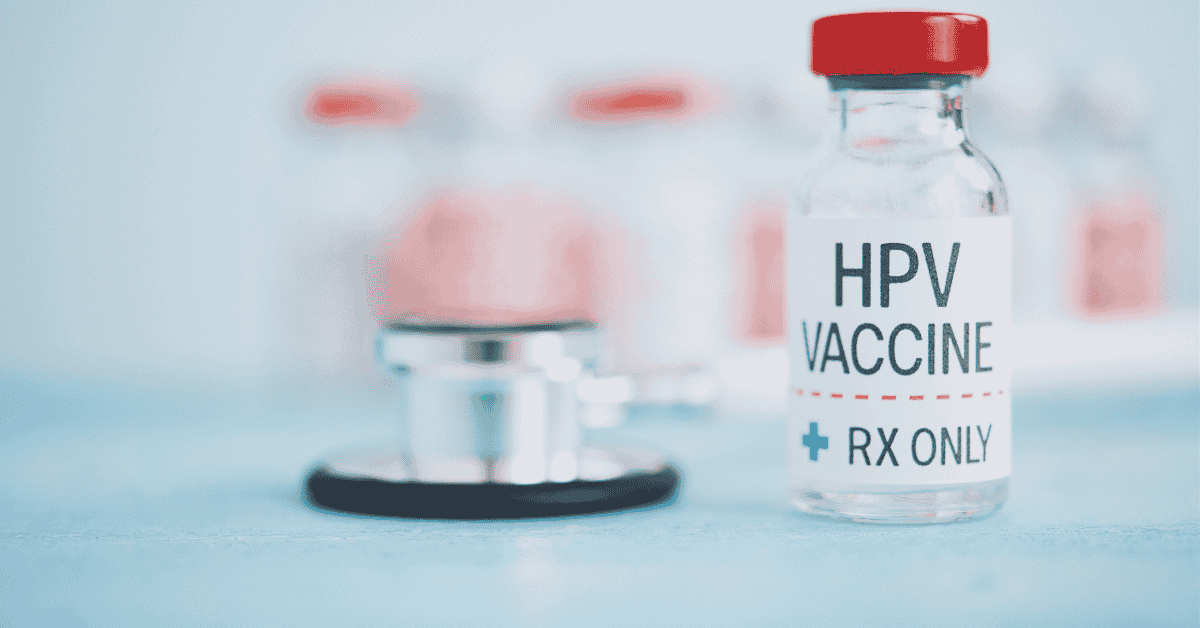
Yes. The HPV vaccine in Singapore is one of the best ways to protect your reproductive health. It helps prevent the strains of HPV most likely to cause cervical cancer, which can affect fertility and pregnancy.
Key points about the HPV vaccine:
- Safe and effective for women aged 9 to 26
- Available to adults above 26 after medical consultation
- Reduces the risk of cervical abnormalities
- Helps protect future pregnancies by maintaining cervical health
HPV vaccine types in Singapore:
- Gardasil 9: Covers 9 HPV strains, including those most linked to cancer and genital warts
- Cervarix: Covers high-risk types 16 and 18
Some women ask about HPV vaccine side effects and the menstrual cycle. Mild changes such as delayed or irregular periods may occur temporarily, but there is no evidence that the HPV vaccine affects long-term fertility.
Protect Your Fertility with HPV Screening and Vaccination
If you’re planning to conceive now or in the future, it’s important to take care of your reproductive health early. Whether you’ve had an abnormal test result, a previous HPV infection, or you’re simply preparing for pregnancy, taking the right steps now can help protect your chances later.
Speak to a doctor about getting an HPV test or vaccine if you haven’t already. Both are safe, effective, and available at most public and private clinics in Singapore. Click the button below to book a consultation and learn more about your options.
Contact MedicalTravel.asiaBack To: Women’s Sexual Health
Related Content
Health Screening packages In Singapore
Get Medical Imaging Tests In Singapore
All content on this site is informative only and is not intended to be a substitute for professional medical advice, diagnosis, or treatment, and should never be relied upon for specific medical advice. If you are experiencing a medical emergency, call 995 immediately or go to the nearest Accident & Emergency department.
health365.sg is a member of 365Asia.