

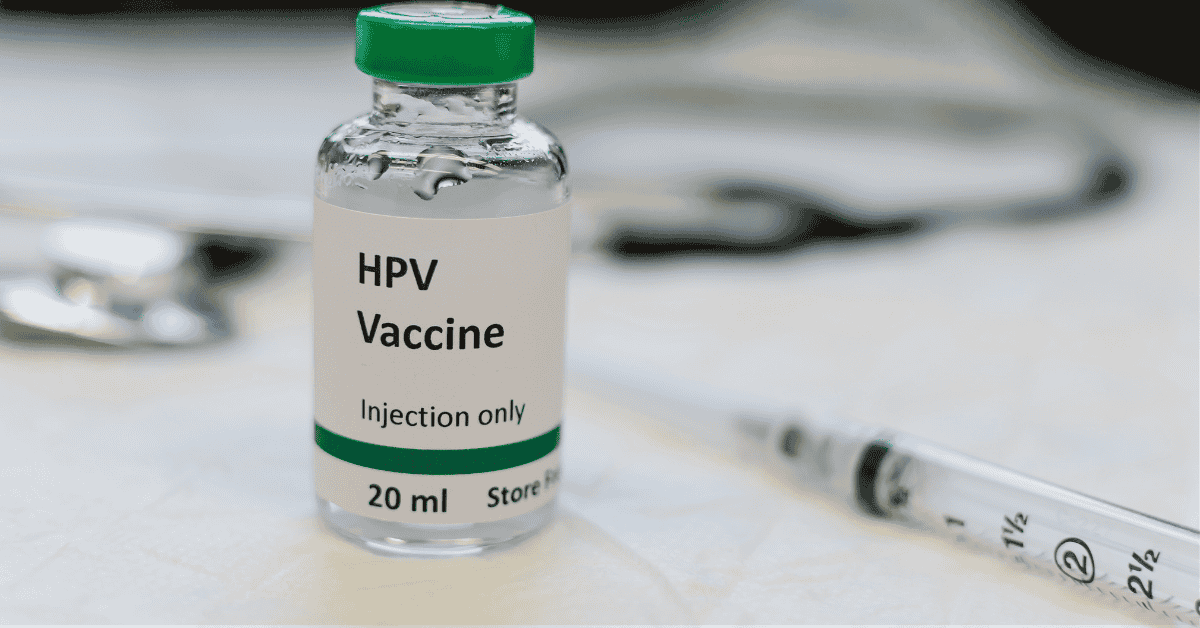
HPV (human papillomavirus) is one of the most common sexually transmitted infections in Singapore, but many people still misunderstand it. From who can get HPV to whether the HPV vaccine is safe or necessary, false information often stops individuals from seeking the right protection. In this article, we’ll clear up common HPV myths and share important facts about HPV symptoms, transmission, and prevention.
Back To: Women’s Sexual Health
Myth 1: Only Women Need to Worry About HPV
One of the most common HPV myths is that it only affects women. While it’s true that HPV is linked to cervical cancer, the virus can also cause other types of cancer, including:
- Throat and mouth cancer
- Anal cancer
- Penile cancer
- Genital warts in people of all genders
Men are not just carriers. They can develop serious HPV-related conditions, too. That’s why the National Childhood Immunisation Schedule in Singapore recommends HPV vaccination for all children, regardless of gender.
Myth 2: If You’re in a Monogamous Relationship, You Don’t Need the Vaccine
Many assume that being in a long-term relationship means you’re not at risk. But HPV can stay in your body for years without showing any symptoms. A person may have contracted it long before their current relationship and unknowingly pass it on.
Vaccination is not just for those who are sexually active or have multiple partners. It’s a preventive measure to protect you against high-risk HPV strains, especially before exposure.
Myth 3: The HPV Vaccine Encourages Sexual Activity in Teens
Some parents hesitate to vaccinate their children due to the belief that it may promote early sexual activity. However, studies worldwide, including Singapore, have consistently shown that HPV vaccination does not influence sexual behaviour. Instead, it significantly reduces the risk of developing cervical and other HPV-related cancers.
The best time to vaccinate is before exposure to the virus, which is why it’s often recommended for teens. It’s about prevention, not permission.
Myth 4: HPV Always Shows Symptoms
HPV is often called a “silent infection” because it rarely shows signs until complications appear, such as warts or abnormal Pap smear results. Most people clear the virus naturally within a few years, but high-risk strains can cause long-term problems like cervical cancer.
That’s why regular screening (like Pap smears and HPV tests) and vaccination are both critical, even if you feel perfectly healthy.
Myth 5: The HPV Vaccine Is Only for Young People
While the vaccine is most effective when given before sexual activity begins, adults up to age 45 can still benefit, depending on their risk profile. In Singapore, HPV vaccines like Gardasil 9 are available through polyclinics, private GPs, and women’s health clinics.
If you’re older and unsure whether it’s worth getting the vaccine, speak with your doctor or gynaecologist for personalised advice.
What HPV Means for You in Singapore
In Singapore, the Ministry of Health has included HPV vaccination under the national immunisation schedule for female students in Secondary 1, and Medisave can be used for adult vaccinations. Cervical cancer is still one of the top 10 cancers affecting women locally, making awareness and prevention more important than ever.
Despite the available resources, HPV misconceptions remain common. Many still think the vaccine is optional, or that HPV is not a concern unless symptoms show up. That delay in action can lead to serious consequences.
Schedule an Appointment with a Specialist Today
Misinformation about HPV can cause people to delay vaccination, skip screenings, or miss the chance to protect their partners. Knowing the facts about HPV in Singapore helps you make informed decisions for your health and your loved ones.
If you have questions about the HPV vaccine, screenings, or your reproductive health, click the button below to schedule an appointment with a specialist in Singapore.
Contact MedicalTravel.asiaBack To: Women’s Sexual Health
Related Content
Get A Comprehensive Health Screening Package
Get Medical Imaging Tests In Singapore
All content on this site is informative only and is not intended to be a substitute for professional medical advice, diagnosis, or treatment, and should never be relied upon for specific medical advice. If you are experiencing a medical emergency, call 995 immediately or go to the nearest Accident & Emergency department.
health365.sg is a member of 365Asia.