

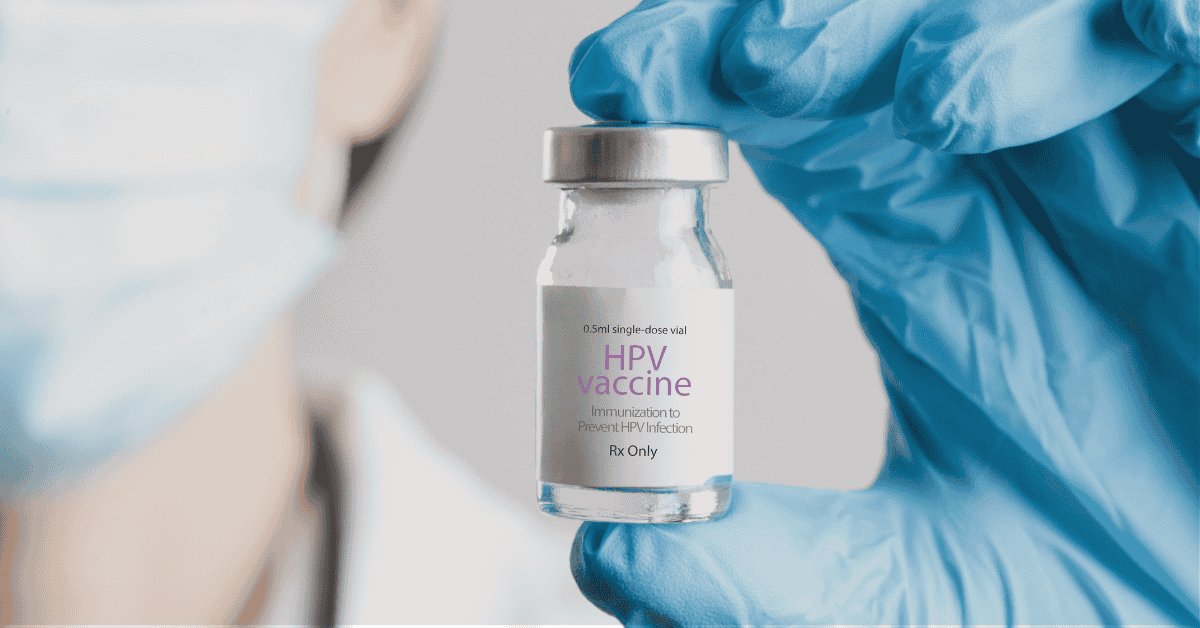
Human papillomavirus, more commonly known as HPV, is one of the most widespread sexually transmitted infections in the world. In Singapore, increasing awareness around HPV risk factors has become part of national health efforts, especially due to the virus’s connection with cervical, anal, and throat cancers. Most people will contract HPV at some point in their lives, often without knowing it. While many infections clear on their own, certain high-risk strains can persist and lead to more serious health issues. Understanding what causes HPV infection and what increases your chances of contracting it is key to protecting yourself and others.
In this article, we will explain what HPV is, explore the key risk factors that increase your chances of infection, and highlight how Singaporeans can reduce their risk through prevention, screening, and vaccination.
Back To: Women’s Sexual Health
What Is HPV and Why Does It Matter?
HPV isn’t just one virus; it’s a group of over 100 related viruses, some of which can cause cancer if left untreated. What makes HPV especially concerning is that it often shows no symptoms, allowing it to spread silently from person to person. The virus is transmitted mainly through skin-to-skin contact during sexual activity, including vaginal, anal, and oral sex. Unlike many other sexually transmitted infections, HPV can be passed on even when no signs are present, and condoms do not offer complete protection.
In Singapore, national health efforts focus on reducing the risk of HPV-related diseases through widespread vaccination and regular cervical screening. The HPV vaccine is recommended for preteens and teens, but adults can also benefit, especially if they have not been exposed to the virus. Still, awareness gaps remain as many people are unsure how HPV spreads or mistakenly believe it only affects women. Improving public understanding is essential to stop the spread of HPV and reduce future cancer risks.
HPV Causes: What Leads to Infection
HPV spreads when the virus enters the body through tiny cuts or abrasions in the skin. Sexual contact is the most common method of transmission, but it doesn’t always require intercourse. Oral sex, anal sex, and even close skin-to-skin genital contact can lead to infection.
There are no specific HPV causes unique to Singapore, but several social and behavioural factors may influence exposure risk, including age at sexual debut, access to vaccination, and awareness of safe practices.
Top HPV Risk Factors You Should Know
Here are some of the key HPV risk factors that increase your likelihood of getting infected:
1. Unprotected Sexual Activity
The most significant risk factor for HPV is having vaginal, anal, or oral sex without protection. Condoms can reduce risk but may not provide complete protection, since HPV can infect areas not covered by a condom.
2. Multiple Sexual Partners
The more sexual partners you have, the greater your chance of being exposed to the virus. Having a partner who has had multiple partners also increases your risk.
3. Early Sexual Debut
Starting sexual activity at a younger age can increase your lifetime risk, as it provides a longer window of exposure.
4. Weakened Immune System
People with suppressed immune systems, such as those with HIV or on long-term immunosuppressant medications, may have a harder time clearing HPV infections.
5. Smoking
Smoking is linked to an increased risk of cervical cancer in women with HPV. It weakens immune function and affects cervical cells’ ability to fight off infections.
6. Not Being Vaccinated
Skipping the HPV vaccine in Singapore increases your risk of contracting high-risk HPV strains. The vaccine is most effective when given before sexual activity begins but still provides benefits later in life.
7. Other Sexually Transmitted Infections (STIs)
Having other STIs like chlamydia or herpes can increase susceptibility to HPV, as these infections can cause inflammation or tissue damage, creating entry points for the virus.
8. Inconsistent Screening
Failing to go for routine HPV tests in Singapore can lead to late detection. Regular screening helps identify persistent infections before they cause serious health issues.
HPV Risk in Men vs. Women
Both men and women can contract HPV, but women are often more vulnerable to the long-term complications. Persistent infection with high-risk strains can cause cervical cancer, which is why women are encouraged to attend regular Pap smears and HPV DNA tests.
Men may also develop HPV-related complications, such as genital warts or, in rarer cases, penile, anal, or throat cancers. While HPV testing in men is not routine in Singapore, vaccination is now available for males as part of broader prevention.
Can You Get HPV Without Being Sexually Active?
While HPV is most commonly transmitted through sexual activity, there have been rare reports of transmission through non-sexual contact. However, these cases are uncommon. The vast majority of infections occur through intimate contact involving the genital area.
Reducing Your Risk of HPV: What You Can Do
While you can’t eliminate risk completely, you can take several proactive steps to reduce your chance of infection:
- Get vaccinated: The HPV vaccine in Singapore is safe and effective. It’s available through public and private clinics and is recommended for both females and males.
- Use protection: While not foolproof, condoms and dental dams can help reduce the spread of HPV.
- Limit number of sexual partners: Fewer partners reduce your exposure risk.
- Attend regular screenings: Especially for women aged 25 and above.
- Avoid smoking: This supports your immune system and helps your body fight off infection.
HPV Prevention and Public Health Efforts in Singapore
Singapore’s Ministry of Health and various healthcare providers have ramped up efforts to improve awareness, screening, and prevention of HPV-related diseases. The HPV vaccine is included in the National Childhood Immunisation Schedule for eligible girls, and school-based programmes help ensure early protection.
Private clinics across the island also offer HPV tests and vaccination for adults who may have missed earlier opportunities. These initiatives are helping reduce cervical cancer rates and improve long-term reproductive health.
Know Your Risk, Take Action Early
Understanding HPV risk factors and how the virus spreads is an important step in protecting your health and the health of others. In Singapore, access to screening and vaccination is easier than ever and strongly encouraged.
If you’re unsure about your risk or want to take proactive steps, don’t wait. HPV is common, but so is prevention. Click the button below to schedule an appointment with a doctor in Singapore and get personalised advice on protecting yourself against HPV.
Contact MedicalTravel.asiaBack To: Women’s Sexual Health
Related Content
Health Screening packages In Singapore
Get Medical Imaging Tests In Singapore
All content on this site is informative only and is not intended to be a substitute for professional medical advice, diagnosis, or treatment, and should never be relied upon for specific medical advice. If you are experiencing a medical emergency, call 995 immediately or go to the nearest Accident & Emergency department.
health365.sg is a member of 365Asia.