

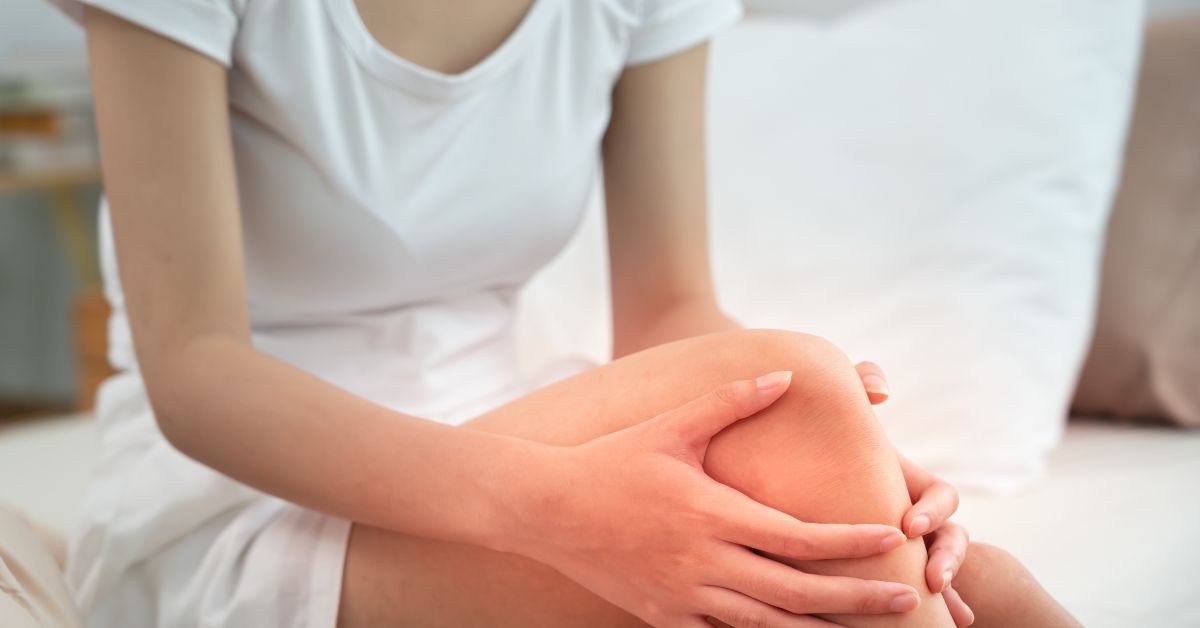
A sudden knee injury can be a life-altering event, often leaving active individuals sidelined and concerned about their long-term mobility. Whether it is a result of a sports-related impact or a significant fall, damage to the joint surface often leads to a “pothole” in the cartilage. Because cartilage lacks its own blood supply, it cannot heal itself effectively. This has led to a surge in interest regarding Knee Cartilage Regeneration, a field of medicine dedicated to regrowing healthy tissue rather than simply managing pain.
Get An Appointment With An Orthopaedic Specialist
Contact MedicalTravel.asiaBack To: Orthopaedic Care In Singapore: Lower Limbs Main Page
What Is Knee Cartilage Regeneration?
At its core, Knee Cartilage Regeneration refers to biological procedures designed to restore the smooth, protective surface of the knee joint. In a healthy knee, “hyaline” cartilage allows the bones to glide over one out without friction. When an injury occurs, this surface is disrupted.
Traditional treatments, such as “microfracture” surgery, often result in the body creating “fibrocartilage”—a scarred, tougher version of cartilage that does not stand up well to the pressures of running or jumping. True Knee Cartilage Regeneration aims to produce high-quality hyaline cartilage that mimics the original joint surface, providing a long-term solution for knee injury treatment.
How Does Autologous Chondrocyte Implantation (ACI) Work?
One of the most established methods for Knee Cartilage Regeneration in Singapore is Autologous Chondrocyte Implantation, commonly known as ACI. This is a “joint-preserving” surgical technique used by orthopaedic specialists to treat specific, localised cartilage defects.
The ACI process is typically performed in two distinct stages:
- The Harvest: A surgeon performs a minor “keyhole” surgery to collect a small sample of healthy cartilage cells (chondrocytes) from a non-weight-bearing area of the patient’s knee.
- The Cultivation: These cells are sent to a specialised laboratory, where they are “expanded” or multiplied over several weeks until they number in the millions.
- The Implantation: In a second procedure, the surgeon clears the injured area and “re-plants” the new, lab-grown cells into the defect. Over time, these cells mature and integrate with the bone, achieving genuine Knee Cartilage Regeneration.
Who Is A Candidate For This Type Of Knee Injury Treatment?
It is important to understand that Knee Cartilage Regeneration is highly specialised. It is not a universal cure for every type of knee pain. Generally, the ideal candidates for ACI or similar regenerative surgeries include:
- Younger, Active Patients: Individuals between the ages of 18 and 55 often see the best results.
- Isolated Injuries: Those with a specific “hole” in the cartilage caused by a trauma (like an ACL tear or a heavy blow) rather than widespread “bone-on-bone” arthritis.
- Stable Joints: For Knee Cartilage Regeneration to be successful, the knee must be stable. If there are underlying ligament tears or bone misalignments, these must be corrected at the same time.
- Nonsmokers: Nicotine significantly hinders the body’s ability to grow new tissue and integrate lab-grown cells.
What Are The Benefits Of Regenerating Cartilage?
The primary advantage of pursuing Knee Cartilage Regeneration over a total knee replacement is the preservation of your natural anatomy. Benefits include:
- Longevity: Successful regeneration can delay the need for a metal-and-plastic joint replacement by decades.
- Improved Function: Regenerated hyaline cartilage allows for a higher level of impact and “natural feel” during sports compared to a prosthetic joint.
- Biological Integration: The new tissue becomes a living part of your body, capable of adapting and responding to physical activity.
What Is The Recovery Process Like?
Regrowing tissue takes time. Whether you choose a surgical route like ACI or a non-surgical cellular protocol, the “biological clock” of Knee Cartilage Regeneration cannot be rushed.
Following ACI surgery, patients typically undergo a period of “restricted weight-bearing,” using crutches for several weeks to protect the new cells while they attach to the bone. A structured physiotherapy programme is essential to gradually restore the range of motion and strengthen the supporting muscles. Total maturation of the new cartilage can take anywhere from 12 to 18 months.
Our Preferred Doctors For Knee Pain Treatment
If you are looking for an orthopaedic specialist for knee pain treatment, you can consider our Preferred Doctors:
- Dr Ananda Vella is an orthopaedic surgeon with over 20 years of experience treating a wide range of lower limb, sports and general orthopaedic conditions. His expertise includes minimally invasive and arthroscopic techniques for foot and ankle problems, knee and hip conditions, and sports injuries.



[SG] Featured Doctor- Dr Juanda Leo Hartono
Is Regeneration Right For You?
Modern orthopaedics has moved past the era of simply “living with the pain.” Knee Cartilage Regeneration offers a pathway for those with a significant knee injury to restore their natural joint surface and return to an active life. The first step is a comprehensive evaluation with a specialist. By understanding the nature of your injury, you can choose the regenerative tool that best fits your goals for a pain-free future.
Contact MedicalTravel.asiaBack To: Orthopaedic Care In Singapore: Lower Limbs Main Page
All content on this site is informative only and is not intended to be a substitute for professional medical advice, diagnosis, or treatment, and should never be relied upon for specific medical advice. If you are experiencing a medical emergency, call 995 immediately or go to the nearest Accident & Emergency department.
health365.sg is a member of 365Asia.